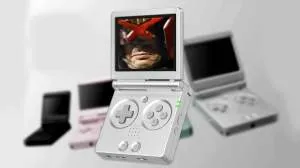
Retro handhelds face US government crackdown over piracy
Retro handhelds loaded with unlicensed, pre-installed game libraries are facing a potential regulatory crackdown in the United States. The Electronic Software Association (ESA) has formally requested that the Office of the United States Trade Representative (USTR) classify these devices as "superfakes." According to an October 6 filing, the ESA aims to have these emulation devices added to the Notorious Markets List to disrupt the profitability of unauthorized hardware. This move targets manufacturers and digital marketplaces that facilitate the distribution of pirated content. This article examines the ESA's legal arguments, the specific manufacturers targeted, and the proposed seven-step enforcement strategy.
October 19, 2026
5 min read
Source: ASHENVOW
Retro handhelds loaded with unlicensed, pre-installed game libraries are facing a potential regulatory crackdown in the United States. The Electronic Software Association (ESA) has formally requested that the Office of the United States Trade Representative (USTR) classify these devices as "superfakes." According to an October 6 filing, the ESA aims to have these emulation devices added to the Notorious Markets List to disrupt the profitability of unauthorized hardware. This move targets manufacturers and digital marketplaces that facilitate the distribution of pirated content. This article examines the ESA's legal arguments, the specific manufacturers targeted, and the proposed seven-step enforcement strategy.
Why is the ESA targeting retro handhelds as "superfakes"?
The Electronic Software Association (ESA) argues that modern retro handhelds function as high-level counterfeits designed to deceive consumers through professional presentation. In a filing submitted on October 6 to the Office of the United States Trade Representative (USTR), the ESA described these devices as "superfakes" because they mimic the appearance and user experience of legitimate consumer electronics.
According to the ESA, these devices often feature molded housings, high-quality color displays, polished user interfaces, and professional retail packaging. They are frequently listed on well-known e-commerce platforms and accompanied by product reviews and warranty-like representations. However, the ESA contends that the primary commercial value of these products is not the hardware itself, but rather the concealed memory card or internal drive containing thousands of unauthorized, copyright-protected games.
The association posits that this combination of legitimate-looking hardware and illicit software creates a product that is indistinguishable from authorized electronics to the casual observer. By masking piracy within a polished consumer package, these manufacturers bypass the traditional stigmas associated with software piracy, making the illegal content easily accessible to mainstream audiences.
What is the impact of unlicensed emulation devices on the industry?
Unlicensed emulation devices pose a multi-layered threat to the economic stability of video game publishers and hardware manufacturers. The ESA highlights that a single device can act as a direct substitute for multiple legal purchases across various console generations and publishers.
The core issue identified by the ESA is the removal of "technical friction." Historically, accessing pirated video games required a degree of technical expertise or specialized hardware. Modern retro handhelds eliminate this barrier by providing an immediately usable catalogue of games upon arrival. This convenience allows consumers to bypass authorized channels entirely, including:
- Official game compilations and remasters.
- Digital subscription services.
- Licensed retro hardware releases.
- Direct purchases from authorized publishers.
Because the illicit library serves as a primary selling point, the market price of these handhelds often reflects the value of the pirated content included. This creates an unfair competitive environment where manufacturers of unauthorized hardware can undercut the prices of legitimate, licensed products that must account for royalty payments and development costs.
Which manufacturers and marketplaces are under scrutiny?
The ESA's filing specifically names several entities that they believe are central to the ecosystem of unauthorized gaming content. While the focus is on hardware, the crackdown also extends to the digital platforms that facilitate the sale of modded accounts and pirated software.
Hardware manufacturers and digital platforms
Anbernic is highlighted as a prominent example in the ESA's report. The manufacturer produces handheld consoles that resemble classic systems like the Game Boy or 3DS, but are frequently sold pre-loaded with thousands of games from legacy systems, including the NES, SNES, PlayStation 1, and Sega Genesis. The ESA views these pre-loaded libraries as core evidence of commercial-scale piracy.
Beyond hardware manufacturers, the ESA's concerns extend to digital marketplaces. The filing targets platforms such as Eldorado, FunPay, G2A, and Voices38, accusing them of distributing or selling modded accounts and pirated games. By targeting both the physical hardware providers and the digital facilitators, the ESA hopes to dismantle the entire supply chain of unauthorized gaming.
How does the ESA propose the USTR should enforce regulations?
To mitigate the harm caused by these "superfakes," the ESA has requested that the USTR implement a rigorous seven-step enforcement framework. The goal is to move beyond merely removing individual listings and instead target the structural operations of the businesses involved.
The proposed measures include several aggressive regulatory actions designed to increase the cost and difficulty of operating an illicit gaming business. These steps are intended to hold manufacturers, exporters, importers, and online marketplaces accountable for facilitating the sale of pirated content.
The seven-step enforcement strategy
The ESA's requested roadmap for the USTR consists of the following specific actions:
- Evidence-based inspection: Treating preloaded unauthorized game libraries as primary evidence of commercial-scale piracy.
- Media scrutiny: Inspecting both bundled and separately shipped storage media for illicit content.
- Authorization requirements: Requiring sellers to prove they have the rights to include specific games and protected branding.
- Storefront suspension: Suspending not just individual listings, but entire repeat sellers and their linked storefronts.
- Record preservation: Mandating the preservation of seller, payment, shipment, and advertising records to assist in enforcement.
- Customs targeting: Improving the ability of customs officials to identify devices and components specifically used for preloading operations.
- Coordinated action: Implementing joint efforts against the entire supply chain, including manufacturers, fulfillment providers, and marketplaces.
By implementing these steps, the ESA believes the USTR can effectively add these devices to the Notorious Markets List, thereby slowing their profits and providing much-needed restitution to the gaming industry.
FAQ: Retro handhelds and piracy regulations
What is the "Notorious Markets List"?
The Notorious Markets List is an annual report published by the USTR. It identifies specific marketplaces and online platforms that are suspected of facilitating or engaging in copyright infringement, piracy, and counterfeiting. Being added to this list can lead to increased scrutiny and economic consequences for the listed entities.
Why does the ESA call these devices "superfakes"?
The term "superfakes" refers to devices that appear to be legitimate, high-quality consumer electronics—featuring polished packaging and interfaces—but derive their value from unauthorized, pirated software. The ESA uses this term to emphasize how professional presentation masks the illicit nature of the content.
Does this crackdown affect all emulation?
The ESA's filing specifically targets commercial devices that are pre-loaded with unauthorized, copyright-protected games for sale. The focus is on the commercial scale of piracy and the sale of hardware bundled with unlicensed software, rather than the general concept of software emulation itself.
Who is Anbernic?
Anbernic is a manufacturer of handheld gaming consoles. The ESA has singled out the company in its filing because its devices, which often resemble classic gaming hardware, are frequently sold with thousands of unlicensed games from various legacy consoles pre-installed.
What are the proposed consequences for sellers?
The ESA is requesting that the USTR implement stricter penalties, such as suspending entire storefronts and linked accounts rather than just single product listings. They also propose that customs officials increase targeting of devices and components used in preloading operations to disrupt the supply chain.
Key takeaways
- The ESA is urging the USTR to classify pre-loaded retro handhelds as "superfakes."
- The goal is to add these devices to the Notorious Markets List to curb piracy.
- The ESA argues that pre-loaded libraries remove technical barriers to illegal gaming.
- Proposed enforcement includes suspending entire storefronts and improving customs targeting.
Conclusion
The tension between the retro gaming community and major industry stakeholders has reached a significant legal milestone. By framing handheld emulation devices as "superfakes," the ESA is attempting to shift the regulatory focus from individual software piracy to the commercial hardware supply chain. If the USTR adopts the ESA's seven-step enforcement strategy, it could fundamentally change how handheld gaming consoles are marketed and distributed globally. This potential crackdown threatens to disrupt a massive market of affordable emulation devices, signaling a more aggressive era of intellectual property enforcement in the gaming sector.