Red Rooster RPG: Splinter Studios' Physics-Driven RPG
Red Rooster RPG is emerging as a highly anticipated title from Splinter Studios, promising a unique blend of surrealism and advanced gameplay mechanics. This upcoming project aims to move beyond the philosophical weight of its predecessors to offer a more kinetic experience. The game introduces a vibrant, albeit chaotic, new setting and a cast of eccentric characters that suggest a departure from traditional narrative structures. This analysis explores the mechanics, characters, and thematic shifts defining this new RPG, providing a deep dive into what makes this title a standout.
October 19, 2026
4 min read
Source: ASHENVOW
A shift toward physics-driven gameplay mechanics
Red Rooster RPG is set to distinguish itself through a heavy emphasis on 3D physics, marking a technical evolution for the studio. Unlike the more static interactions found in many narrative-heavy RPGs, this title intends to implement a world where physical movement and environmental interaction play a central role. The developers have explicitly cited influential titles to illustrate their intended direction.
The studio points to Larian Studios' Divinity Engine games and the classic title Dark Messiah of Might and Magic as primary inspirations for this approach. By drawing from these sources, Splinter Studios suggests that the player's agency will extend into the tactile realm, where the weight and momentum of objects and characters influence the unfolding story. This mechanical focus aims to create a more visceral sense of presence within the game world, bridging the gap between deep storytelling and active physical engagement.
The eccentric cast of Arta-Tantor
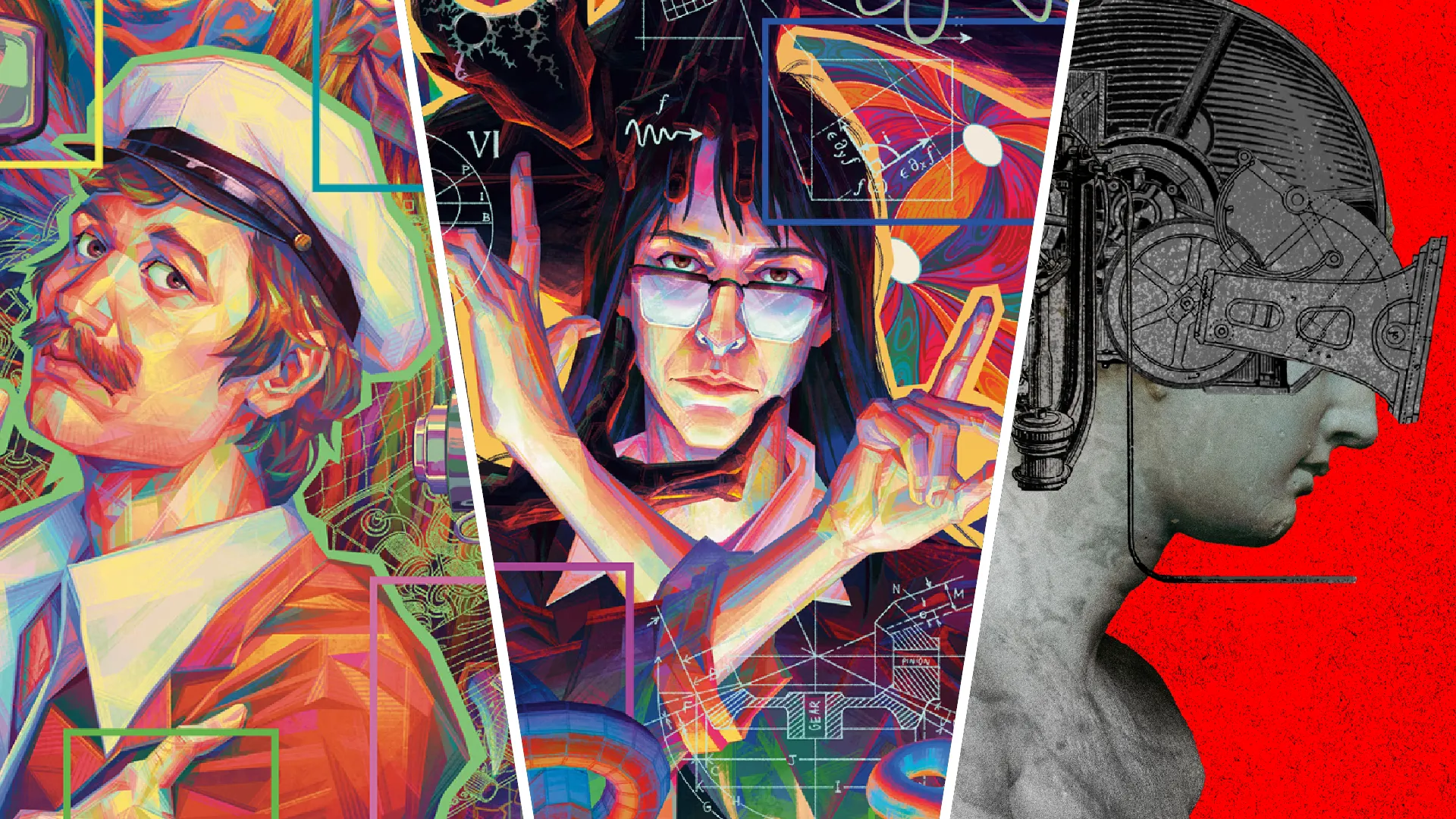
The narrative revolves around Redrick Roost, a character whose journey transitions from an inmate to an arson investigator. While the game carries echoes of the character dynamics seen in Disco Elysium, the supporting cast introduces a new level of absurdity and specialized expertise. Instead of a traditional partner, players will interact with a diverse group of individuals navigating the complexities of the tripartite city of Arta-Tantor.
Key figures in this world include Dr. Astrid Albers, described as an opiate-dependent mathematician, and Rico, a district bus driver who functions as a truth-activist armed with nunchaku. This lineup suggests a world where professional roles are intertwined with personal struggles and unconventional methods of social engagement. The interaction between these personalities is expected to drive the investigative elements of the game, providing a foundation for both comedy and high-stakes drama within the city's unique social fabric.
Thematic divergence from the 'end of history'
Thematically, Red Rooster RPG represents a significant pivot from the nihilistic undertones often associated with the genre's recent heavyweights. While many philosophical RPGs focus on the 'end of history'—a state of societal stagnation or decay—Splinter Studios is framing this project as the 'beginning of the future.' This distinction is vital to understanding the tone of the Arta-Tantor setting.
Where previous works might have explored the oppressive pressure of societal structures or the slow decay of civilization, this new title appears to lean into the energy of change. The setting is described as being in the midst of the hottest summer on record, a backdrop that mirrors the internal and external volatility of the characters. Rather than focusing on the stillness of a dying world, the artwork and descriptions suggest a focus on the 'wildfires of psychedelic revolution.' This implies a world that is not merely decaying, but actively transforming through chaos and heat.
Psychological depth and environmental intensity
Despite the shift toward a more kinetic and potentially optimistic tone, the game does not shy away from psychological complexity. The protagonist, Redrick Roost, is equipped with a dark and turbulent set of alter-egos contained within what is described as a psychological 'chicken coop.' This suggests that the internal landscape of the characters remains as intricate and demanding as the external world they inhabit.
The environmental setting of Arta-Tantor serves as more than just a backdrop; it acts as a catalyst for the narrative's intensity. The combination of extreme heat and the potential for sudden, revolutionary shifts creates a pressure cooker environment. This atmosphere is designed to reflect the volatility of the characters' minds, ensuring that the gameplay and the narrative remain tightly coupled through shared themes of heat, pressure, and sudden, explosive change.
Frequently Asked Questions
What is the core gameplay focus of Red Rooster RPG?
The core focus of Red Rooster RPG is on 3D physics-driven gameplay. The developers aim to create an immersive experience by drawing inspiration from the Divinity Engine and Dark Messiah of Might and Magic, ensuring that physical interactions are a central part of the player's experience.
How does the setting differ from Disco Elysium?
While Disco Elysium often dealt with themes of societal decay and the 'end of history,' Red Rooster RPG focuses on the 'beginning of the future.' Set in Arta-Tantor, the game emphasizes a more lively, albeit volatile, atmosphere characterized by revolutionary energy and intense summer heat.
Who are the main characters in the game?
Players will control Redrick Roost, an inmate turned arson investigator. He is accompanied by a unique cast, including Dr. Astrid Albers, an opiate-dependent mathematician, and Rico, a nunchaku-wielding bus driver who acts as a truth-activist within the city.
Synthesis of a new RPG era
Red Rooster RPG stands at a fascinating intersection of deep, character-driven storytelling and modern, physics-based interactivity. By pivoting away from the heavy nihilism of recent philosophical RPGs toward a more kinetic and transformative narrative, Splinter Studios is attempting to redefine the boundaries of the genre. The move toward a 'beginning of the future' theme, set against the volatile backdrop of Arta-Tantor, suggests a game that is as much about the energy of change as it is about the complexities of the human psyche. If successful, it could provide a blueprint for how RPGs can balance intellectual depth with visceral, physical engagement.