
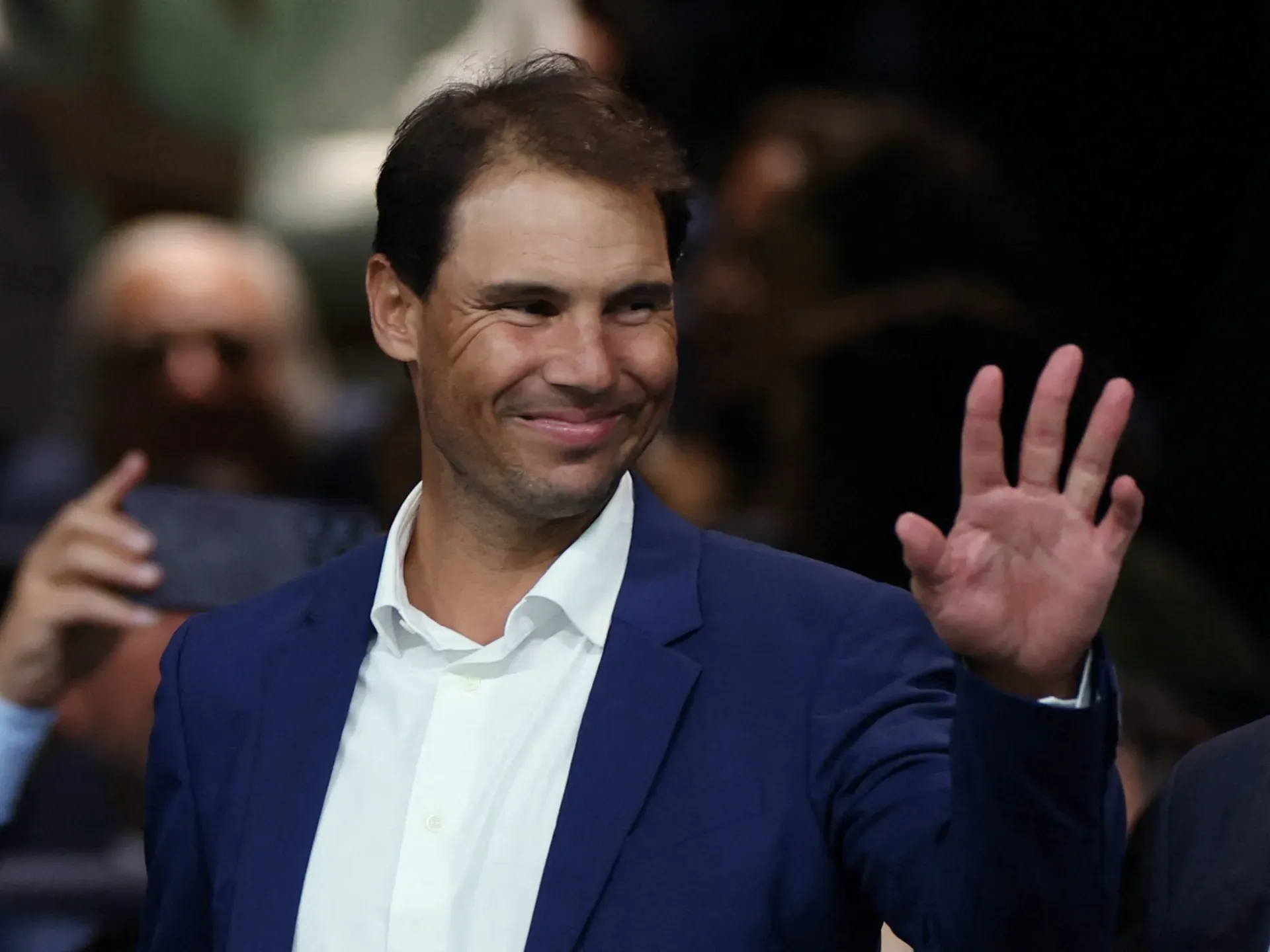
Rafael Nadal Real Madrid board: Appointment and ratification process
Rafael Nadal is set to join the Real Madrid board of directors, marking a significant crossover between tennis and football leadership. The 22-time Grand Slam winner's appointment was agreed upon by the club's board on Tuesday, November 4, 2026, and will now be submitted to the General Assembly of Delegated Members for formal ratification. This move integrates one of tennis's most decorated athletes into the governance of one of the world's largest football institutions. This article explores the details of the appointment, Nadal's sporting credentials, and the broader implications for Real Madrid's leadership structure.
November 8, 2026
5 min read
Source: ASHENVOW
How will Rafael Nadal join the Real Madrid board?
The appointment of Rafael Nadal to the Real Madrid board of directors is currently undergoing a formal governance process. While the club's board has already reached an agreement to move forward with his candidacy, the final decision rests with the General Assembly of Delegated Members. This body is responsible for the official ratification required to seat a new director.
Nadal is not a stranger to the institution; he currently holds the status of an honorary member of the club. The transition from honorary status to a voting or administrative role on the board represents a significant elevation in his relationship with the Spanish club. The proposal follows a board meeting held on Tuesday, where the decision to present his name to the assembly was finalized.
The ratification process explained
In the context of Real Madrid's member-owned structure, the General Assembly of Delegated Members serves as the ultimate authority for major institutional changes. Because the club is owned by its members rather than external private investors, any addition to the Board of Directors must be vetted and approved through these democratic channels. This ensures that the leadership remains accountable to the representative body of the club's supporters.
What sporting achievements qualify Nadal for this role?
Real Madrid has explicitly cited Nadal's extensive competitive history and professional discipline as primary reasons for his selection. The club aims to leverage his experience in high-pressure, elite sporting environments to bolster its administrative capabilities. His resume includes a level of success that is rare in any professional discipline.
- Grand Slam Titles: 22 major championships.
- Singles Titles: 92 career singles titles.
- Olympic Success: Two Olympic gold medals.
- Team Achievements: Five Davis Cup triumphs representing Spain.
- World Ranking: Former world number one.
Beyond the numerical data of his trophies, the club's official statement emphasized the alignment between Nadal's personal values and the institutional identity of Real Madrid. The club highlighted his humility, his respect for opponents, and his commitment to charitable endeavors as core qualities that mirror the club's own ethos. By bringing Nadal into the boardroom, the club seeks to institutionalize these values within its leadership tier.
What has Rafael Nadal said about the appointment?
Rafael Nadal has expressed significant enthusiasm regarding the invitation to join the club's leadership. Following the announcement, he utilized social media to communicate his acceptance and his intentions for the role. He noted that he is eager to engage with the complexities of football administration.
"I would like to thank President Florentino Perez and the Board for inviting me to join the Board of Directors of Real Madrid. I have accepted this invitation with great enthusiasm, keen to learn and to contribute as much as I can," Nadal stated via social media.
Nadal's transition into sports administration follows his retirement from professional tennis in November 2024. Since stepping away from the ATP tour, his involvement in various sporting and institutional capacities has been a subject of interest for both tennis and football analysts. His proactive stance suggests a desire to move from active competition to strategic governance.
What is the political context within Real Madrid's leadership?
The appointment of Nadal occurs during a period of established but evolving leadership under President Florentino Perez. While Nadal is a celebrated figure, his entry into the board must be viewed alongside the current power dynamics of the club, which have seen recent internal debates regarding the club's future direction.
Florentino Perez, currently 79 years old, secured a four-year term in June 2026. This election was notable as it was the first contested presidential race for the club in two decades. The election highlighted a divide within the membership: while Perez maintained his position, more than a third of the voting members supported challenger Enrique Riquelme. Riquelme's campaign was primarily defined by his opposition to plans that would introduce outside investment into the member-owned model.
Leadership succession and long-term stability
For years, sports media and analysts have speculated about potential successors to Perez. Nadal's name has frequently surfaced in these discussions, though the athlete himself has historically downplayed any such prospects. His official role as a director does not automatically position him as a presidential candidate, but it does place him within the inner circle of the club's decision-making processes. This strategic placement could serve to ensure institutional continuity as the club navigates the complexities of modern football finance and global branding.
FAQ: Rafael Nadal Real Madrid board
Will Nadal's appointment be immediate?
No, the appointment is not immediate. While the board has agreed to the move, it must first be ratified by the General Assembly of Delegated Members. This formal democratic process is a requirement of the club's governance structure before he can officially assume his duties as a director.
Why did Real Madrid choose Rafael Nadal?
Real Madrid selected Nadal due to his immense sporting stature, including 22 Grand Slam titles and 92 singles titles. Additionally, the club believes his personal values—such as humility and respect—align perfectly with the identity and values of Real Madrid as an institution.
Is Rafael Nadal a new member of Real Madrid?
Nadal is not a new member of the club. He has long been an honorary member of Real Madrid. This new appointment moves him from an honorary position into a formal role on the Board of Directors, involving active governance and decision-making.
How does this affect the club's ownership model?
This appointment does not change the ownership model. Real Madrid remains a member-owned club. The appointment of Nadal is a leadership change within the existing structure and does not involve the outside investment that was a point of contention in recent elections.
What is the significance of Florentino Perez in this move?
President Florentino Perez is the driving force behind the invitation. Nadal specifically thanked Perez and the Board for the opportunity. Perez, who recently secured another four-year term, is central to the club's strategic direction and the integration of high-profile figures like Nadal.
Key takeaways
- Rafael Nadal's appointment to the Real Madrid board requires ratification by the General Assembly of Delegated Members.
- Nadal brings a massive sporting legacy, including 22 Grand Slam titles and 92 singles titles.
- The club chose Nadal because his personal values, such as humility, align with Real Madrid's identity.
- The move follows Nadal's retirement from professional tennis in November 2024.
- The appointment occurs under President Florentino Perez, who recently won a contested election.
The future of sports leadership at Real Madrid
The integration of Rafael Nadal into the Real Madrid boardroom represents more than just a celebrity appointment; it is a strategic alignment of two of the world's most powerful sporting brands. By bringing in an athlete who embodies excellence and discipline, Real Madrid is reinforcing its institutional values through active leadership. As the ratification process concludes, the focus will shift to how Nadal's perspective as a legendary competitor will influence the club's administrative and strategic decisions in an increasingly competitive global football landscape.