
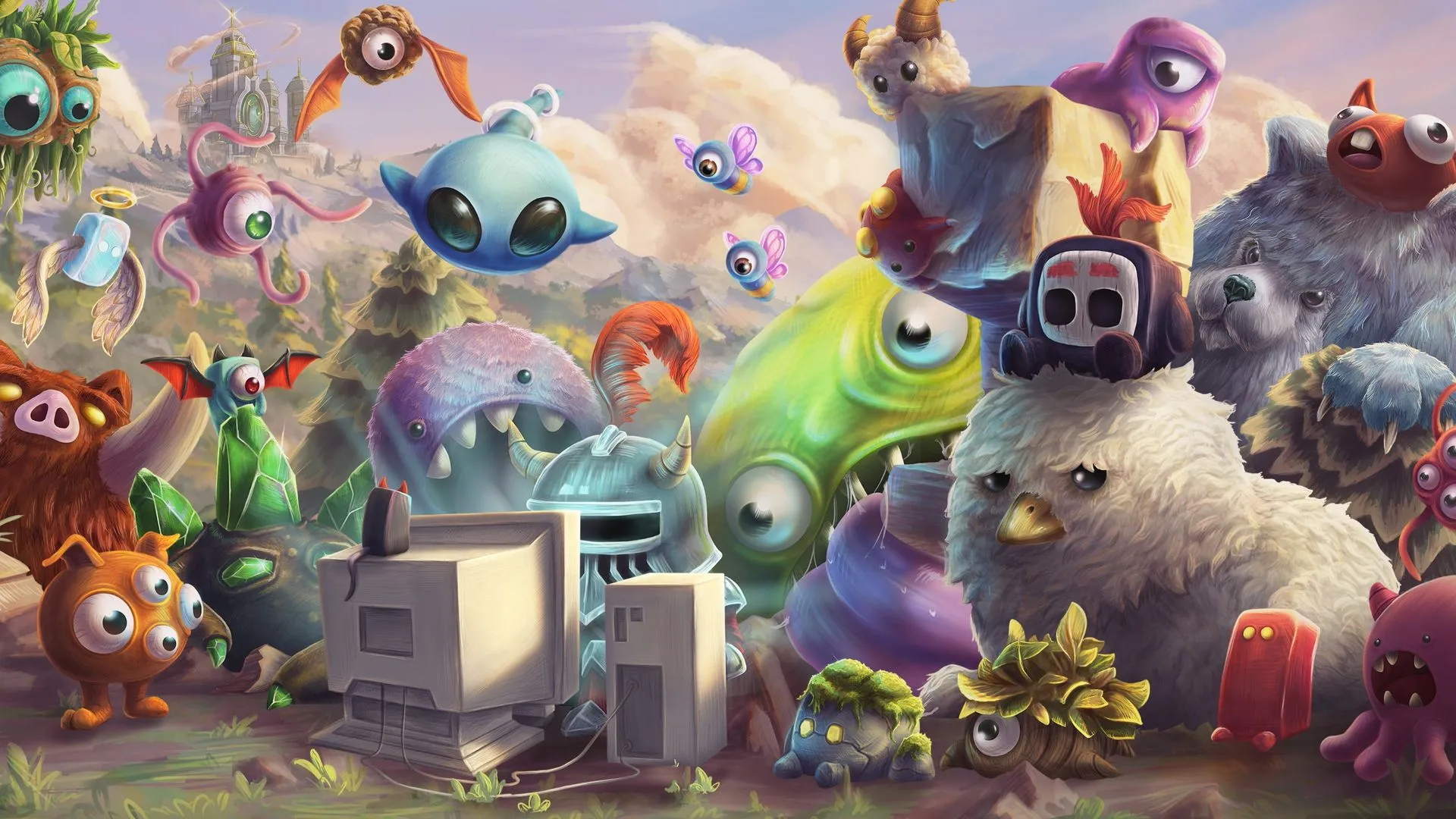
What makes Let's Build a Dungeon different from other sims?
Let's Build a Dungeon differentiates itself by simulating two distinct layers of gameplay: the creation of the dungeon game itself and the management of the studio producing it. While players spend time digging dungeons, placing traps, and designing loot, they are also responsible for the administrative side of a professional game studio.
According to Springloaded founder and lead developer James Barnard, the depth of the world is significant. The simulation includes hiring developers, managing finances, dealing with investors, and navigating the pressures of the press and gaming conventions. It even incorporates personal elements, such as receiving text messages from family members that can impact the player's experience.
The game offers multiple ways to engage with its mechanics:
- Campaign Mode: A structured experience following the journey of a studio.
- Build Mode: Focused on the creative aspect of dungeon and game design.
- Creative Mode: For players who want to experiment without constraints.
- Community Play: The ability to play games that have been created by other real-world players.
How does the game simulate the gaming market?
The simulation includes a highly detailed backend that mimics real-world digital storefronts like Steam and data analytics sites such as SteamSpy. This allows players to track their commercial success against a backdrop of intense competition.
James Barnard noted that Springloaded has developed hundreds of fictional, unplayable games to populate the market, ensuring that the player's studio is never operating in a vacuum. The game tracks specific metrics to determine a title's success, including:
- Wishlists: Measuring early interest from the public.
- Impressions: Tracking how many potential customers see the game.
- Click-Through Rates (CTR): Evaluating the effectiveness of marketing.
- Conversions: Seeing how many impressions turn into actual sales.
Attending gaming events is a key strategy for growth. If a player successfully gets their game into an event, they can see a massive spike in these metrics, which directly feeds into their performance charts.
What is the impact of hardware evolution on gameplay?
A unique technical layer of Let's Build a Dungeon is the simulation of evolving PC hardware and its impact on the games being developed. As the player progresses through time, the technology available to their fictional customers changes, forcing the studio to adapt.
The transition from CGA to VGA and beyond
The game simulates the historical progression of computing. When a player moves from older standards like CGA to more advanced ones like VGA, the requirements for their game change. This technological shift has tangible consequences for the studio management side of the game.
As graphics and assets become higher in resolution, the player must deal with increased hard drive space requirements. Furthermore, the studio may need to upgrade its own computer hardware to keep up with development needs. Springloaded has gone to great lengths to ensure this feels authentic; the developers hand-drew approximately 150 different computer components to represent the history of computing. This evolution even affects the sensory experience of the game, as the soundtrack changes depending on the specific audio card being used by the simulated computer.
How complex is the studio management and travel system?
Managing a team involves more than just assigning tasks; it requires logistical planning and risk management. One of the more intricate "minigames" within the simulation is the process of booking travel for employees to attend industry showcases.
When a developer is sent to an event, they are effectively removed from the production cycle. James Barnard explained that sending staff to a showcase means they disappear from the design board for several days, which can disrupt the development schedule. The travel system itself is designed with realistic volatility:
- Flight Pricing: Ticket prices tend to rise as the departure date approaches, though players can occasionally find last-minute bargains if airlines have excess capacity.
- Hotel Booking: Similar to flights, hotel costs fluctuate based on timing.
- Geographic Impact: The location of the player's studio affects travel logistics. For example, a studio based in London will find attending an event like EGX Rezzed much easier than a studio located further away.
- Layover Simulation: The game even calculates distances and includes realistic stopovers in appropriate cities.
Can cyberattacks and personal life affect your studio?
The simulation introduces unpredictable external threats, most notably through cyberleaks and hacking. These events are not merely cosmetic; they can pose genuine threats to a studio's financial stability and intellectual property.
A hacker in the game might track an investor's movements and deduce the nature of a studio's upcoming project. For instance, if a hacker suspects a studio is developing an MMO, they might hold the company to ransom. Players are faced with difficult choices: they can either pay the ransom to prevent a leak or attempt to incorporate the hacker into the game itself. There are various outcomes depending on how the player manages the crisis.
Even personal interactions are integrated into the gameplay loop. Players may receive messages from their mother, which can serve as both a distraction and a source of unexpected benefits. These interactions can provide rewards such as desktop images or even unique content for the games being developed. For example, a recipe for a pie sent by a family member could inspire a designer to add a "consumable pie" mechanic to the dungeon game, adding a layer of whimsical creativity to the management experience.
Frequently asked questions
When is the release date for Let's Build a Dungeon?
The game is scheduled to enter Early Access in February 2026. This will allow players to experience the core development and management loops while the developers continue to expand the simulation's depth and features based on community feedback.
Is there a way to try the game before it launches?
Yes, a demo is currently available for players to try. This provides a hands-on opportunity to experience the game's unique mechanics, such as dungeon design and studio management, before the official Early Access launch in February.
Can I play the game without managing a studio?
Yes, the game offers several modes to suit different playstyles. If you are not interested in the business management side, you can use Build Mode or Creative Mode to focus entirely on the creative aspects of designing dungeons and games.
What kind of content can be influenced by personal interactions?
Personal interactions, such as messages from family, can provide unique in-game rewards. These can include desktop wallpapers to cheer the player up or even creative inspiration, such as recipes that can be implemented as playable elements within the dungeon games you create.
How does the game handle competition?
The game simulates a crowded market by including hundreds of fictional, unplayable games. This forces players to compete for visibility and success by monitoring metrics like wishlists and impressions, much like real-world developers do on platforms like Steam.
Key takeaways
- Let's Build a Dungeon features a dual-layer simulation of game design and studio management.
- The game includes a detailed history of computing with 150 hand-drawn components.
- Players must manage real-world business risks like cyberleaks and fluctuating travel costs.
- The simulation tracks market metrics including wishlists, impressions, and conversion rates.
- Early Access is set to begin in February 2026.
Conclusion
Let's Build a Dungeon promises an unprecedented level of detail for fans of the management simulation genre. By intertwining the creative process of game design with the chaotic reality of running a business—complete with hardware evolution, market competition, and unexpected personal interruptions—Springloaded is creating a highly immersive experience. Whether players want to master the intricacies of digital storefront analytics or simply enjoy the creative freedom of building dungeons, the game offers a multifaceted approach to simulating the life of a developer. The upcoming Early Access launch in February marks a significant milestone for this ambitious project.


