Jeff Kaplan Overwatch departure: Why the director disconnected
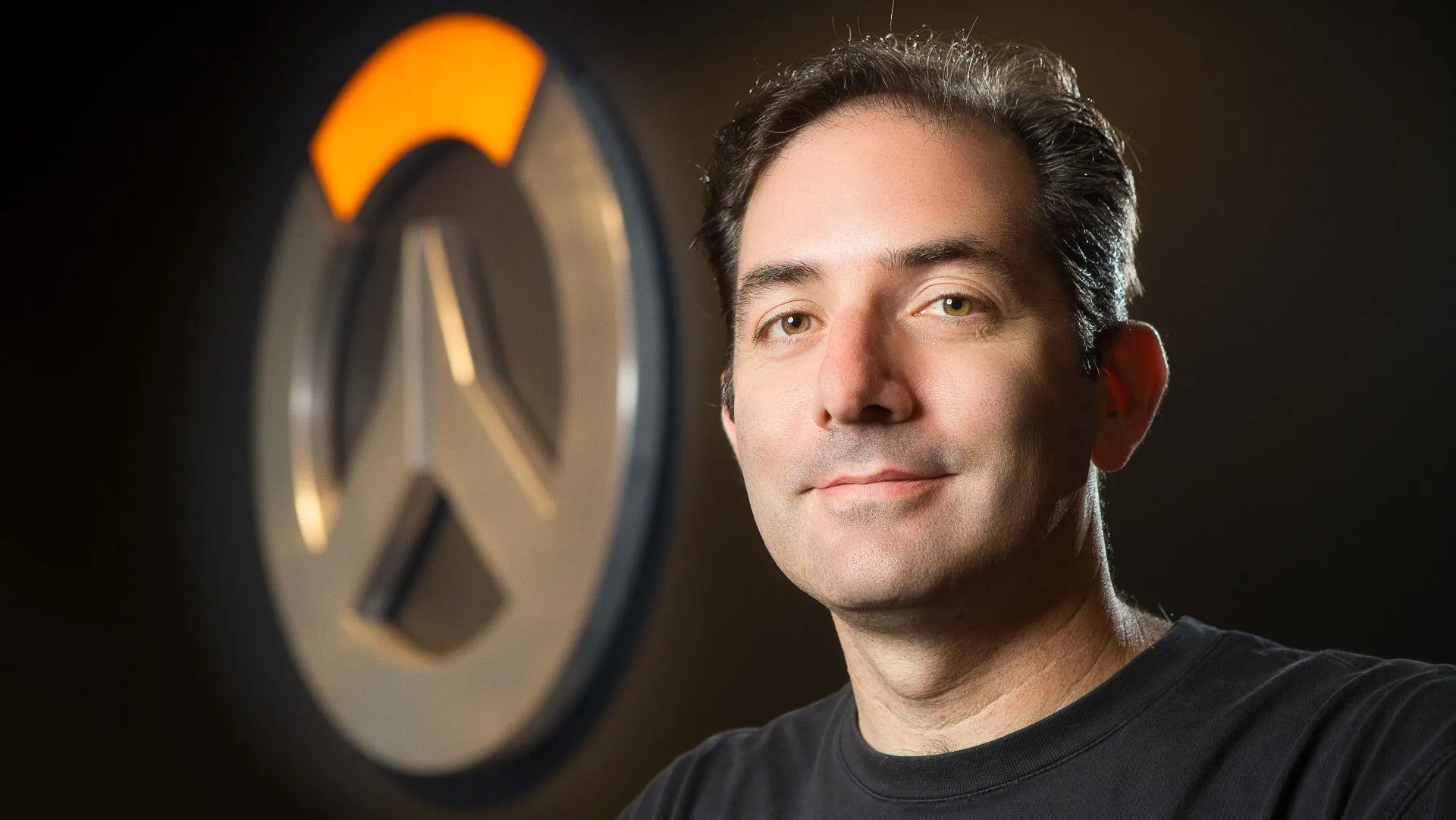
Jeff Kaplan's Overwatch departure in April 2021 marked a definitive end to his era at Blizzard Entertainment. Following a career that spanned from World of Warcraft QA to directing Overwatch, Kaplan has maintained a strict distance from the franchise. In a recent interview with GameSpot, he detailed how he actively avoids the game and its community to maintain a 'clinical separation.' This article explores his emotional transition, the corporate pressures that influenced his exit, and his new venture with The Legend of California.
October 19, 2026
5 min read
Source: ASHENVOW
Why did Jeff Kaplan choose to disconnect from Overwatch?
Jeff Kaplan has maintained a total separation from the Overwatch community and content since his exit from Blizzard in 2021. Rather than monitoring the game's evolution or community sentiment, Kaplan has taken active steps to ensure he remains disconnected from the franchise he helped build.
According to a recent interview with GameSpot, Kaplan does not search for his name in relation to the game, nor does he look up Overwatch-related content on platforms like YouTube. He has even gone as far as to manipulate digital algorithms to ensure the game does not appear in his feeds. This intentional distancing is a response to the intense emotional investment required by high-level game development.
Kaplan described his approach as a "clinical separation." This method was not a sudden impulse but a learned behavior from his previous tenure at Blizzard. Having experienced the emotional toll of leaving the World of Warcraft team in 2008, he understood the psychological necessity of creating boundaries between one's identity and the intellectual property they manage.
Managing the digital footprint
To maintain this boundary, Kaplan actively signals to recommendation engines that he is no longer interested in Overwatch content. By telling algorithms "I'm not really interested in Overwatch anymore," he prevents the digital cycle of nostalgia or professional obligation from pulling him back into the community. This strategy allows him to move past the role of "the Overwatch guy" and focus on his current professional path.
How did his experience with World of Warcraft shape his exit?
The emotional weight of leaving a major franchise was something Kaplan had encountered long before his departure from Overwatch. His transition away from the World of Warcraft team in 2008 served as a foundational "training moment" for the eventual end of his career at Blizzard.
Kaplan reflected on the shock of leaving the WoW team, noting that it taught him a vital lesson about ownership in the gaming industry. He explained that developers often give "all of yourself, your heart, your soul" to a project, only to realize that the creation does not ultimately belong to them. Instead, the game belongs to the studio, the players, and the brand.
This realization—that a developer can pour their entire identity into a product only to have it belong to Blizzard—informed his decision to distance himself from Overwatch. By acknowledging that the game was never truly his to keep, he was able to navigate the 2021 departure with a sense of prepared detachment, avoiding the same level of shock he felt nearly two decades prior.
What were the corporate pressures behind his Blizzard exit?
While the emotional connection to his work was a significant factor, the corporate environment at Blizzard also played a critical role in Kaplan's decision to leave. He revealed that his departure was influenced by intense financial pressures exerted by the company's leadership.
Kaplan stated that he had originally expected to retire from Blizzard. However, his plans were disrupted by a meeting with the company's former CFO. During this interaction, Kaplan was told that the company would threaten to lay off 1,000 employees if Overwatch failed to meet specific financial targets. He described this experience as "the biggest fuck you moment" of his career, noting that the situation felt surreal.
This confrontation highlighted a fundamental disconnect between the creative passion required to lead a game like Overwatch and the rigid financial mandates of corporate management. The pressure of being held responsible for the job security of a thousand colleagues through the performance of a single title created a condition that Kaplan found untenable for his continued involvement with the company.
What is the status of his new project, The Legend of California?
After several years of silence following his exit from Blizzard, Jeff Kaplan has re-emerged in the industry with a new creative focus. He is currently heading a new studio focused on an open-world survival game titled The Legend of California.
This new venture is a collaborative effort with Tim Ford, a former Blizzard developer. For Kaplan, this project represents a significant shift in creative philosophy. Unlike his time at Blizzard, where he was working within a massive corporate framework, this new endeavor is designed to be a more personal expression of his and Ford's shared vision.
Kaplan emphasized that his departure from Blizzard was not an attempt to replicate the Blizzard formula. Instead, he stated, "I didn't leave Blizzard to try to make a Blizzard game. I left Blizzard to make a Tim and Jeff game." This distinction suggests that The Legend of California will likely prioritize a more intimate, developer-driven approach to game design compared to the massive, multi-service ecosystems of his previous work.
Frequently asked questions
When did Jeff Kaplan leave Blizzard and Overwatch?
Jeff Kaplan stepped away from his role at Blizzard and the Overwatch team in April 2021. His departure followed a long career at the company, including a significant period as a director for the World of Warcraft team before moving to Overwatch.
What is The Legend of California?
The Legend of California is an upcoming open-world survival game. It is being developed by a new studio led by Jeff Kaplan and former Blizzard developer Tim Ford, marking Kaplan's first major project since leaving his previous role.
Why does Kaplan avoid Overwatch content?
Kaplan avoids Overwatch content to maintain a "clinical separation" from the game. He uses this method to disconnect his personal identity from the franchise, preventing the emotional weight of his past work from impacting his current life and projects.
How did the former CFO influence his departure?
The former CFO of Blizzard reportedly pressured Kaplan by suggesting that 1,000 layoffs could occur if Overwatch did not meet certain financial goals. Kaplan described this interaction as a major turning point that contributed to his decision to leave the company.
Did Kaplan work on World of Warcraft?
Yes, before directing Overwatch, Kaplan rose through the ranks at Blizzard while working on World of Warcraft. He began in Quality Assurance (QA) and eventually ascended to the position of game director for the title.
Key takeaways
- Jeff Kaplan has actively avoided all Overwatch-related content and community since his 2021 departure.
- Kaplan uses a "clinical separation" strategy to detach his identity from the games he develops.
- Corporate financial pressures and threats of mass layoffs influenced his decision to leave Blizzard.
- His new project, The Legend of California, is a personal collaboration with developer Tim Ford.
The evolution of a developer's identity
The transition from a major studio director to an independent developer highlights the complex relationship between creators and their work. Jeff Kaplan's journey from the high-stakes environment of Blizzard to the personal scale of The Legend of California illustrates the necessity of emotional boundaries in game development. By stepping away from the massive commercial machine of Overwatch, Kaplan is attempting to reclaim the creative agency that corporate mandates and financial pressures often diminish. His story serves as a case study in how developers navigate the tension between personal passion and institutional ownership.