RTS genre status: Why Frank Klepacki says strategy lives
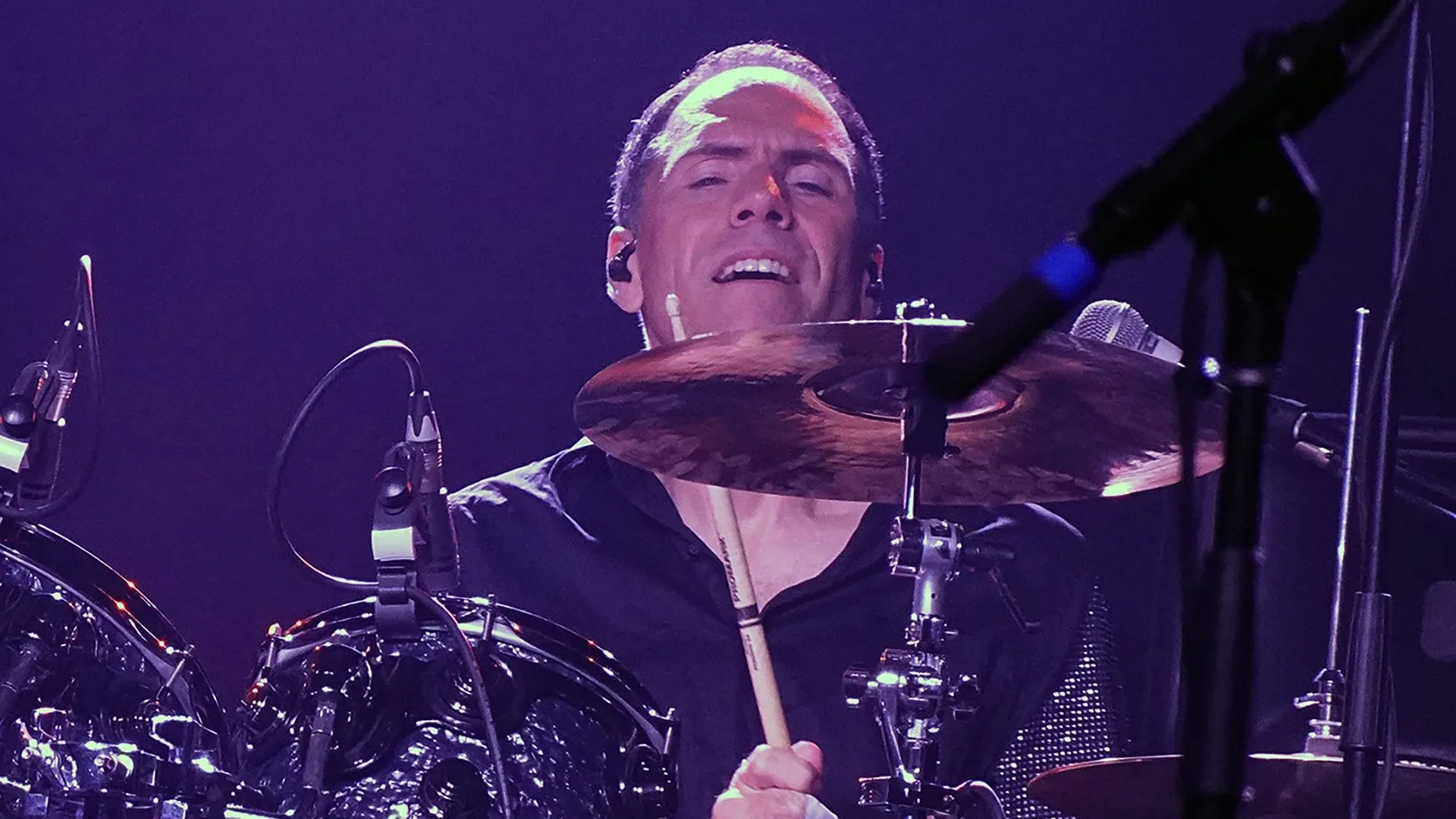
The RTS genre status remains a subject of intense debate among enthusiasts and industry professionals. Legendary composer Frank Klepacki, famous for his work on Command & Conquer, asserts that real-time strategy is not dying but moving through a natural industry cycle. While the 1990s dominance of titles like Dune 2 has passed, Klepacki argues that the genre's survival is proven by the continued release of new titles. This article explores his perspective on industry risk, the shift in developer focus, and the current landscape of strategy gaming.
October 19, 2026
6 min read
Source: ASHENVOW
The RTS genre status remains a subject of intense debate among enthusiasts and industry professionals. Legendary composer Frank Klepacki, famous for his work on Command & Conquer, asserts that real-time strategy is not dying but moving through a natural industry cycle. While the 1990s dominance of titles like Dune 2 has passed, Klepacki argues that the genre's survival is proven by the continued release of new titles. This article explores his perspective on industry risk, the shift in developer focus, and the current landscape of strategy gaming.
Is the RTS genre actually declining or just cycling?
The real-time strategy genre is undergoing a cyclical shift rather than a permanent decline, according to veteran composer Frank Klepacki. Speaking in the latest issue of Edge, Klepacki addressed the persistent 'doom-and-gloom' narratives that have surrounded the genre for at least a decade. He noted that critics have frequently questioned the viability of developing strategy titles, claiming the genre was effectively obsolete.
Klepacki argues that the presence of new releases is the clearest evidence against the death of the genre. He suggests that the perceived disappearance of RTS is actually a matter of visibility and market attention. In his view, other gaming genres have simply moved to the forefront of the cultural zeitgeist, displacing the spotlight that strategy once held. This pattern of ebb and flow is a historical constant in the industry; much like RPGs or flight simulators, RTS popularity fluctuates based on broader market trends.
The historical context of strategy dominance
To understand Klepacki's stance, one must look back at the 1990s, an era where RTS titles were the primary drivers of PC gaming. During this period, franchises such as Command & Conquer, Warcraft, and Dune 2 defined the landscape. The sheer scale of their influence meant that strategy was a pillar of the industry. While the massive success of World of Warcraft is often cited as a reason for the genre's decline, Klepacki points out the irony that this behemoth is actually a spinoff of an RTS foundation, proving that the underlying mechanics still hold immense power.
Why is there a lack of creativity in modern AAA strategy games?
A significant hurdle for the genre is the growing aversion to risk among large-scale, big-budget developers. Klepacki suggests that while indie developers are currently the primary drivers of innovation, the 'middle ground' of the industry has been hollowed out. This lack of a robust mid-tier development sector means that creative risks are often relegated to smaller studios, while AAA titles tend to stick to safer, more established formulas.
Klepacki expressed a desire to see more unique, experimental ideas being given the resources of triple-A production. He observes that the current industry structure tends to favor proven mechanics over the kind of bold experimentation that characterized the genre's golden age. This trend creates a gap where high-fidelity, innovative strategy games are harder to find, as major publishers often prefer to invest in genres with guaranteed, massive returns.
The impact of the 'hollowing out' effect
The 'hollowing out' of the industry refers to the disappearance of studios that once occupied the space between small indie teams and massive AAA conglomerates. For the RTS genre, this is particularly damaging. Strategy games often require a specific balance of complex mechanics and polished execution that can be difficult for tiny teams to achieve, yet they may not offer the immediate, massive scale of profit that justifies a hundred-million-dollar budget for a major publisher. Consequently, the genre often struggles to find the financial backing required for truly groundbreaking AAA entries.
How is the RTS landscape evolving in the current market?
Despite the challenges mentioned by Klepacki, the RTS market is showing signs of resilience through both legacy updates and new developments. The genre's DNA has clearly migrated into other successful formats, most notably the MOBA (Multiplayer Online Battle Arena) genre, which relies heavily on real-time strategic decision-making. However, traditional RTS games are also finding their footing again through several key avenues.
The current market is seeing a mix of nostalgic revivals and new attempts to capture the classic feel. For example, Blizzard Entertainment recently released a new campaign for Warcraft 3, more than two decades after the release of Frozen Throne. Meanwhile, established franchises like Age of Empires and Age of Mythology continue to maintain active player bases. New titles and expansions are also emerging, such as Tempest Rising, which aims to deliver an experience reminiscent of the classic Command & Conquer era.
| Game/Series Type | Examples | Market Position |
|---|---|---|
| Legacy/Revival | Warcraft 3, Age of Empires | Maintaining established player bases |
| Genre Successors | MOBAs | Evolution of RTS mechanics |
| New/Niche Entries | Tempest Rising, Ruse | Targeting classic RTS enthusiasts |
| High-Profile IP | Game of Thrones RTS | Expanding strategy into major media IPs |
What role do different developers play in the genre's survival?
The survival and evolution of the RTS genre depend on a diverse ecosystem of developers, ranging from massive corporations to agile indie studios. While Blizzard continues to experiment—releasing a shooter based on the StarCraft IP while still supporting StarCraft 2—other developers are keeping the traditional flame alive. Titles like Company of Heroes and Ruse are returning to the scene, proving there is still an appetite for tactical, high-stakes strategy.
The tension between innovation and stability is evident in how these companies approach the genre. Large developers often balance their portfolios by maintaining long-running hits while testing new waters, whereas smaller developers act as the laboratory for the genre's next big idea. As Klepacki notes, the genre is 'alive and kicking,' even if it no longer commands the absolute center of the gaming world as it did in the 1990s.
Frequently asked questions
Is the real-time strategy genre dead?
No, the RTS genre is not dead. According to Frank Klepacki, the genre is simply moving through a natural cycle where other genres currently hold more market attention. The continued release of new titles and the activity of established franchises prove that the genre remains active.
Who is Frank Klepacki?
Frank Klepacki is a legendary video game composer known for his work on iconic titles like Command & Conquer. He is a significant voice in the gaming community, particularly regarding the history and future of the real-time strategy genre.
Why are RTS games less common in AAA studios today?
AAA developers often avoid the high level of risk required for innovative strategy games. Klepacki suggests that the industry has seen a 'hollowing out' of the middle ground, leading many large publishers to favor safer, more predictable genre investments over creative strategy experiments.
How has the RTS genre influenced other genres?
The real-time strategy genre has heavily influenced the MOBA (Multiplayer Online Battle Arena) genre. Many of the core mechanics found in popular MOBAs are direct evolutions of the strategic foundations laid by traditional real-time strategy games.
What are some examples of RTS games currently active?
Current examples include the Warcraft 3 campaigns, the Age of Empires series, Company of Heroes, and Ruse. Additionally, newer titles like Tempest Rising are working to bring the classic Command & Conquer style back to modern players.
Key takeaways
- Frank Klepacki asserts that the RTS genre is in a cyclical phase rather than a state of permanent decline.
- The perceived decline of RTS is largely due to other genres capturing the industry's primary attention.
- A lack of creative risk-taking among AAA developers is a significant barrier to genre innovation.
- The 'middle ground' of the game development industry has been hollowed out, leaving indie studios to lead innovation.
- Traditional RTS mechanics continue to influence successful genres like MOBAs.
The future of strategy gaming
The conversation surrounding the RTS genre highlights a fundamental tension in modern game development: the balance between proven profitability and creative evolution. While the era of undisputed dominance by strategy titles has passed, the genre's persistence through legacy revivals, indie innovation, and mechanical evolution suggests a healthy, albeit transformed, ecosystem. As developers find new ways to integrate strategy into diverse formats, the genre's ability to adapt will determine its long-term trajectory in an increasingly crowded market.