
A new era of reactivity for Fortnite FNAF skins
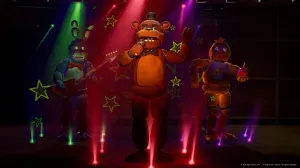
The introduction of the Five Nights at Freddy's set—comprising Freddy, Bonnie, Chica, and Foxy—marks a significant shift in how Epic Games implements cosmetic reactivity. While the game has long utilized reactive elements, these specific skins introduce a mechanic that has no direct precedent in the current Fortnite ecosystem.
Most reactive skins in the game follow a predictable pattern. Some respond to environmental cues, such as Music Icon skins that illuminate during musical sequences. Others respond to player performance, like the Heatwave PJ skin from the Chapter 7 Season 3 battle pass, which emits sounds upon securing a kill. However, the Five Nights at Freddy's skins move beyond these simple triggers by incorporating a structural change to the character model itself.
Unlike standard cosmetics that merely change color or glow, these animatronic skins react to combat in a visceral way. When a player wearing these skins takes damage during a match, pieces of the character model physically fall off. This creates a visual representation of a "broken" animatronic, a core aesthetic element of the Five Nights at Freddy's franchise. This level of integration between brand identity and gameplay mechanics demonstrates a highly creative approach to digital cosmetics. Notably, this damage stays until the player dies or the match ends, even if they heal up. Players do have control over the visual, however, as they can turn this effect off in the locker or choose to always have them look beat up.
Distinguishing permanent damage from temporary effects
To understand the impact of the Five Nights at Freddy's set, it is necessary to distinguish this new feature from existing reactive categories. Previously, Fortnite has featured skins that react to damage, but these effects were almost exclusively temporary or non-structural.
Temporary visual indicators
Several skins have utilized damage-based visual cues in the past. For instance, Isaac Clarke features a health bar that flashes red when his status decreases, while Synth utilizes a glitching jacket effect. Spider-Punk also employs a color-shifting mechanic to signal changes in state. While these provide feedback to the player, they do not alter the permanent silhouette or integrity of the skin.
Permanent progression vs. permanent damage
There is also a category of skins that undergo permanent changes based on positive player actions. The Midas and Marigold skins are prime examples, as they turn to gold as players accumulate kills. While these changes are permanent for the duration of a match, they represent a progression rather than degradation. The closest existing cosmetic to the Five Nights at Freddy's effect is Botch, the Dumb Ways to Die backbling, which becomes wounded when a player loses HP. However, unlike the FNAF skins, Botch's wounds are healed when the player heals themselves.
Conclusion
The damage effect is a neat feature for these skins, as the beat-up versions of these animatronics are important pieces of imagery for the Five Nights at Freddy's franchise. This new type of reactivity provides a creative way for Fortnite to bring both the clean and beat-up versions of these characters together in a single cosmetic.


