
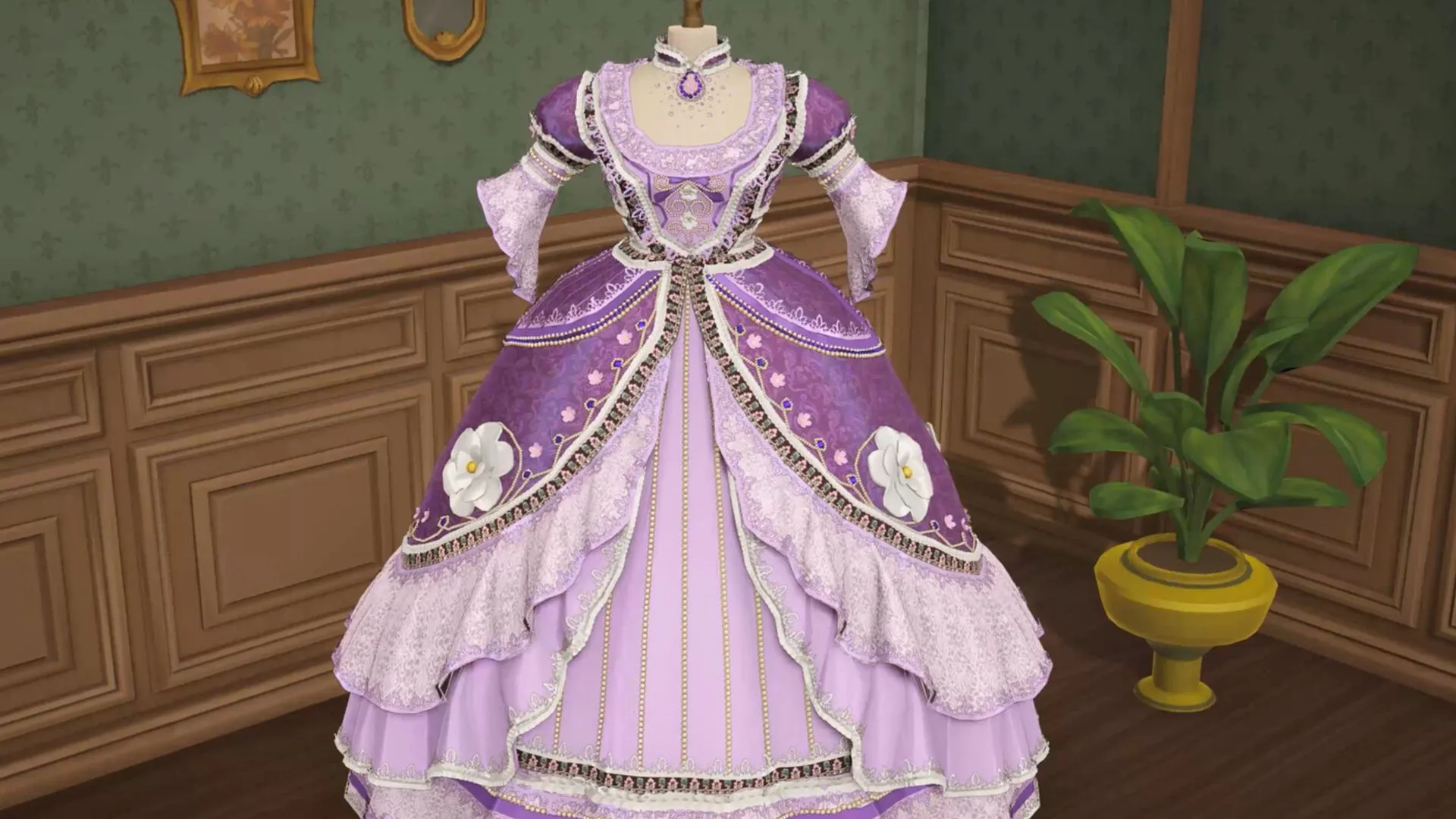
What makes the Dressmaker simulator gameplay so engaging?
The core appeal of the Dressmaker simulator lies in its granular approach to virtual tailoring, which moves far beyond simple menu-based customization. Instead of selecting pre-made outfits, players engage in a multi-stage creative process that mimics the actual workflow of a designer. This process begins with the conceptual phase, where users can sketch dresses tailored to specific body types, experimenting with various silhouettes such as different sleeve lengths, skirts, collars, and shapes.
Once the silhouette is established, the game shifts focus to texture and pattern. The depth of the simulation is evident in how players must consider the interplay of materials. You are not just choosing a color; you are choosing a tactile experience. The game provides a vast array of bolts in materials including:
- Silk and Lace for delicate, formal aesthetics
- Linen and Cotton for everyday or historical styles
- Velvet for high-drama, textured looks
After selecting the fabric, the player must lay out bespoke patterns and execute the sewing process. This transition from high-level design to technical assembly creates a "moreish" gameplay loop that balances creative freedom with the satisfaction of completing a complex task. For many, the challenge lies in the transition from a rough doodle to a finished garment, a process that requires both a sense of color scheme and a technical understanding of how fabric pieces fit together.
How has social media driven the game's popularity?
The Dressmaker simulator has become a visual phenomenon on social media platforms, where the community shares highly stylized and often transformative creations. Rather than just playing the game, users are using it as a tool for digital cosplay and artistic expression. This has created a feedback loop where seeing a peer's complex design inspires others to attempt similar high-concept projects. The sheer variety of what can be achieved—ranging from the beautiful to the bizarre—ensures that the content remains fresh and highly shareable.
The social media trend can be categorized into three distinct types of content:
High-Art Recreations
Many players use the game's deep toolset to recreate famous works of art or iconic character designs. Examples seen in recent community showcases include ballgowns inspired by Van Gogh's paintings or intricate recreations of characters from major franchises like Genshin Impact. These projects demonstrate the simulator's ability to handle complex color schemes and textures that rival professional digital art. By laying fabric samples over one another to find the perfect combination, players are able to translate two-dimensional artistic concepts into three-dimensional virtual garments.
Fandom and Cosplay Integration
The game has found a massive secondary audience within gaming fandoms. Players are utilizing the dressmaking tools to design outfits for characters from titles such as Final Fantasy 14. This "virtual cosplay" allows fans to see their favorite characters in entirely new lights, such as transforming a warrior into a formal gown wearer, which drives significant engagement through shared nostalgia and creativity. Whether it is recreating the look of an upcoming Genshin Impact character like the Tsaritsa or reimagining Emet-Selch from Final Fantasy 14, the community uses Dressmaker to bridge the gap between different gaming universes.
Absurdist and Meme Culture
Not all creations aim for elegance. A significant portion of the viral content involves "cursed" or humorous designs, such as dresses themed around office software like Excel. This demonstrates the sandbox nature of the simulator; the mechanics are robust enough to support even the most unconventional or satirical creative intents, making the game accessible to both serious designers and casual meme-makers. This ability to pivot from "high art" to "peak artistic" absurdity is a key driver of the game's viral reach.
Why does niche simulation succeed in the 2026 market?
The success of Dressmaker highlights a broader shift in the gaming industry toward hyper-specialized "cosy" experiences. While many simulators attempt to cover broad categories, the most successful titles in 2026 are those that "zoom in" on a specific craft and provide enough mechanical depth to satisfy enthusiasts. By focusing exclusively on garment construction, the developers have avoided the diluted mechanics often found in generic life simulators.
This depth provides a sense of mastery. For players, the satisfaction comes from navigating the specific challenges of the craft—such as managing piping or matching fabric patterns—rather than simply progressing through a scripted story. This type of gameplay fosters a dedicated community of creators who view the game as a creative suite rather than just a pastime. Even those who consider themselves "untalented" at real-world sewing find a unique satisfaction in the digital version of the craft.
What are the technical limits of the garment creation engine?
While the game offers immense freedom, the complexity of the sewing mechanics provides a natural skill ceiling. The difficulty often lies in the technical execution of a design. For instance, managing intricate details like piping or the way different fabrics drape over a specific body shape requires an understanding of the game's internal logic. This creates a distinction between casual players who enjoy the aesthetic results and "pro" virtual sewists who focus on the technical perfection of their patterns. The ability to manipulate sleeves, collars, and skirts with precision is what separates a simple dress from a masterpiece.
Frequently asked questions
What kind of materials can I use in Dressmaker?
The simulator features a wide variety of fabrics to choose from. You can work with luxury materials like silk and velvet, or more practical textiles such as linen, cotton, and lace. Each material offers different colors and textures to enhance your bespoke designs.
Can I recreate characters from other games?
Yes, the community frequently uses the game to recreate characters from popular franchises like Genshin Impact and Final Fantasy 14. The depth of the customization tools allows for highly accurate, albeit stylized, digital recreations of iconic character outfits.
Is the game difficult to play?
The game offers a range of experiences. While the sketching and color selection are relaxing, the technical aspects of laying out patterns and sewing can be challenging. This provides a satisfying progression from simple designs to complex, high-art garments.
Does the game focus on realism or creativity?
The game supports both. You can aim for realistic garment construction with precise patterns, or you can lean into the creative sandbox to make absurd or artistic pieces, such as art-inspired gowns or meme-based fashion.
Why is it called a "cosy" game?
It is categorized as a cosy game because the gameplay loop is designed to be relaxing and low-stress. The focus is on creative expression and methodical tasks rather than high-speed combat or intense competition.
Key takeaways
- Dressmaker is a niche simulator focusing on deep, detailed garment construction.
- Gameplay includes sketching, fabric selection, and technical pattern sewing.
- The game has become a viral social media sensation through creative community showcases.
- It caters to both serious digital designers and fans of absurdist meme culture.
The future of specialized simulation
The rise of the Dressmaker simulator signals a maturing market for niche simulation games. As players move away from broad, shallow experiences, they are increasingly seeking out titles that offer deep, meaningful engagement with specific hobbies or crafts. Whether through high-art recreations or humorous community trends, the ability to express individuality through specialized mechanics is becoming a primary driver of success in the modern gaming landscape. The Dressmaker phenomenon suggests that the future of the genre lies in the details, proving that when a game zooms in on a niche and goes all-in, it can capture the imagination of a global audience.


