Dark Souls 2 dataminer reveals massive prototype coliseum level
A Dark Souls 2 dataminer has uncovered significant unused assets, including a massive prototype coliseum level from the game's early development. The discovery, made by researcher Doneda, showcases a complex of areas such as mines, an underground tower, and a crypt section that likely underwent heavy iteration. This find highlights the turbulent development history of the title, which faced significant shifts in direction and combat mechanics. This article explores the details of the leaked prototype, the technical methods used for its exploration, and what these findings reveal about FromSoftware's historical development cycles.
October 27, 2026
5 min read
Source: ASHENVOW
What did the Dark Souls 2 dataminer uncover?
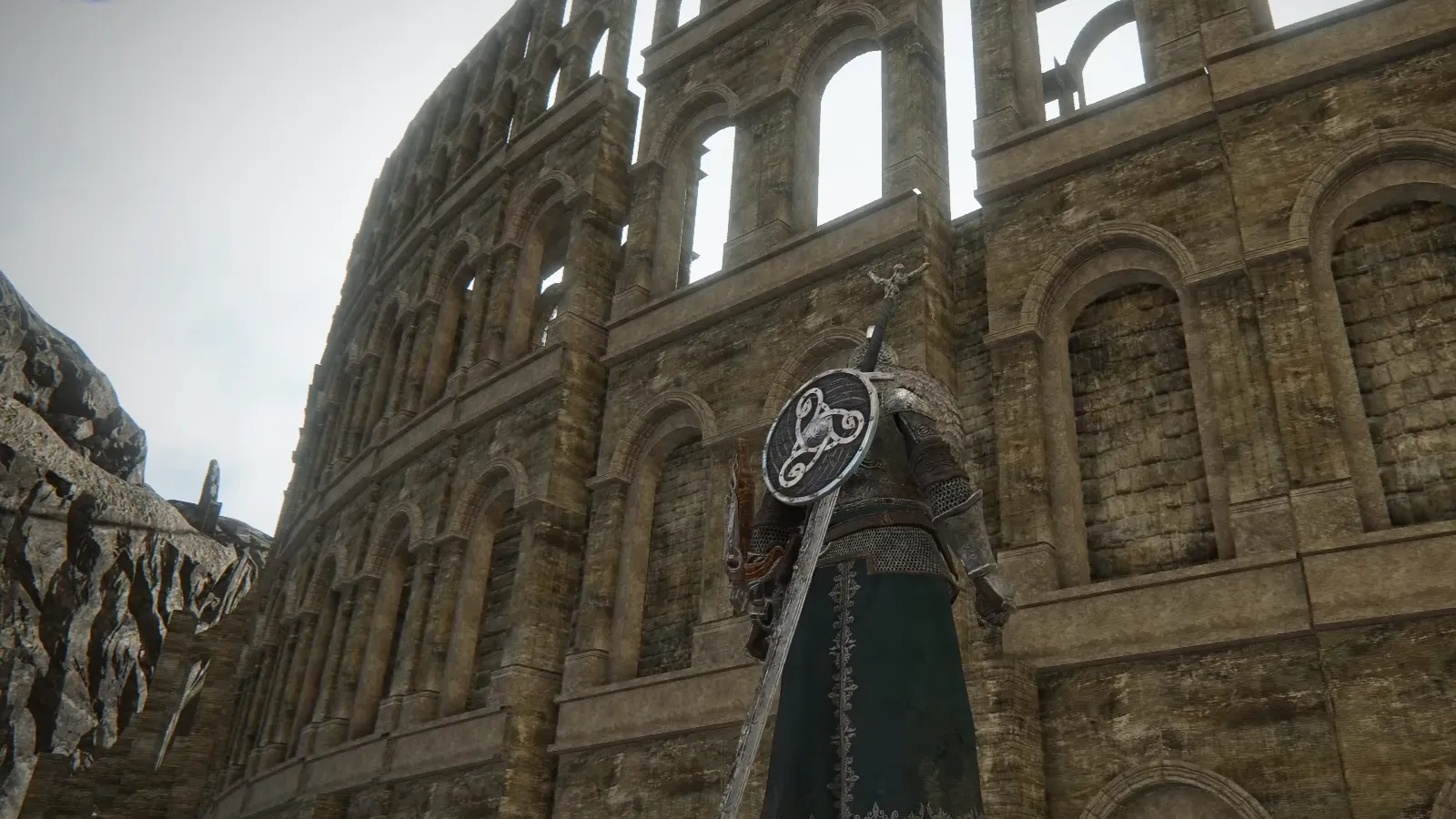
The dataminer known as Doneda has revealed a massive, unused prototype coliseum level that was part of the early development stages of Dark Souls 2. Unlike small, isolated assets, this discovery appears to be a substantial, interconnected complex that was ultimately discarded or heavily reworked before the game's 2014 release.
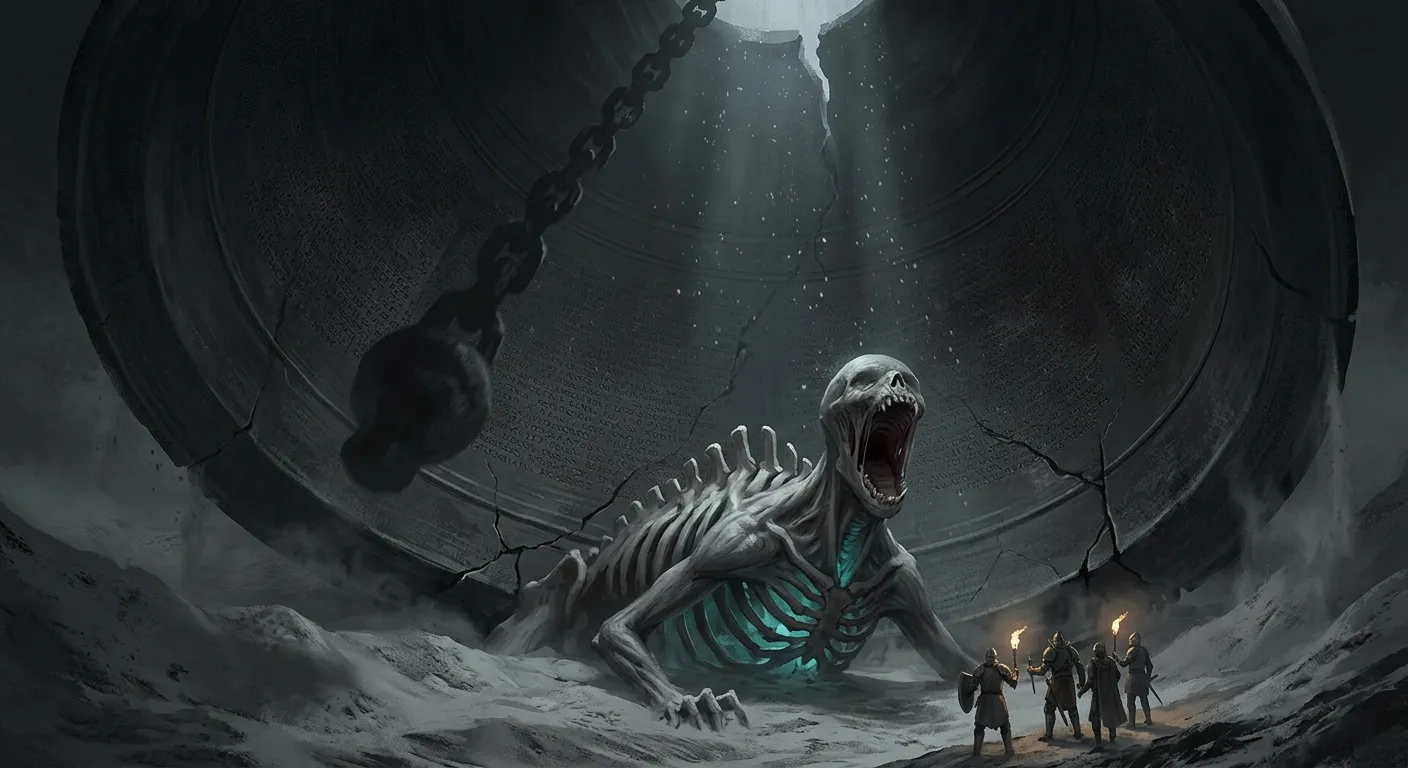
According to the findings, the files contain several distinct but potentially related zones. These include a large coliseum area, various mines, a peculiar underground tower, and a section resembling a crypt. The structure of the underground tower is particularly noteworthy, as it resembles a sequence of arenas, a design pattern similar to certain DLC structures seen in more recent titles like Elden Ring Nightreign.
The scale of the coliseum suggests that the developers were originally envisioning a much larger or more structurally complex combat environment than what eventually made it into the final retail version. Some of these assets may have been intended to function as an interconnected area, while other portions appear to be different iterations of the same fundamental concept. There is speculation among researchers that parts of this prototype may have eventually evolved into the Undead Crypt, a location present in the finished game.
How was the unused content explored?
Doneda utilized Elden Ring Nightreign to facilitate the loading and exploration of these ancient game files. This technical approach allows for the visualization of assets that are otherwise inaccessible within the standard Dark Souls 2 engine environment, providing a clearer picture of the intended spatial layout and environmental design.
Doneda has established a reputation for high-quality technical work within the FromSoftware community. Beyond this coliseum discovery, the researcher has previously achieved several notable milestones:
- Created a Nightreign-compatible version of the Eleum Loyce area from Dark Souls 2.
- Showcased an ambitious, early version of The Gutter, a location that underwent significant changes.
- Provided deep technical insights into the internal structures of Dark Souls 2's assets.
By using modern tools to bridge the gap between old assets and new engines, dataminers are able to reconstruct the 'ghost' versions of games—the experiences that developers intended to build but were forced to abandon due to time, budget, or shifting creative visions.
What does this reveal about FromSoftware's development history?
The presence of such extensive cut content is a symptom of what appears to be a pattern of difficult and often rushed development cycles throughout the pre-Sekiro era of FromSoftware. The Dark Souls 2 discovery is not an isolated incident but rather part of a broader trend of significant structural changes during production.
A pattern of shifting development goals
Looking back at the studio's history, many flagship titles show signs of major mid-stream pivots. For instance, Hidetaka Miyazaki famously took over the development of Demon's Souls after the project began to founder, resulting in a final product that was missing an entire archstone world. Similarly, the original Dark Souls featured a less cohesive second half, with areas like Lost Izalith often cited as being less polished than their predecessors.
Even Dark Souls 3, while generally considered more consistent, saw a complex world state system completely removed at some point during its lifecycle. These instances suggest that the studio's creative process often involves building massive frameworks only to strip them away to meet deadlines or refine the core experience.
The specific challenges of Dark Souls 2
Dark Souls 2 faced a unique set of pressures that likely contributed to the massive amount of discarded content. During its production, Hidetaka Miyazaki was heavily focused on the development of Bloodborne, leaving Dark Souls 2 to navigate a period of intense transition. This era saw the implementation of a divisive combat feel and a new hit detection system that differed significantly from previous FromSoftware titles.
Furthermore, the game underwent significant story rewrites and faced criticism regarding its lighting systems. Early trailers showcased a visual fidelity and lighting complexity that was notably downgraded in the final retail version, leading to significant community backlash in 2014. The coliseum prototype serves as a physical reminder of the many directions the game almost took before settling on its final form.
Why is this discovery significant for fans?
For the community, these findings offer a rare glimpse into the 'what if' scenarios of one of the most debated entries in the Soulsborne series. The sheer scale of the coliseum prototype evokes a sense of wistfulness for the versions of the game that were never experienced by the public.
The discovery also provides context for the game's final state. Understanding that massive, complex structures like the coliseum were being designed helps explain why certain areas in the final game might feel more compact or structurally different. It highlights the miracle of how the game eventually coalesced into a playable, cohesive experience despite the immense amount of discarded material and the shifting development landscape.
FAQ: Dark Souls 2 Datamining
What is the coliseum prototype?
The coliseum is a massive, unused combat arena found within the Dark Souls 2 game files. It was part of an early development phase and appears to have been part of a larger, interconnected complex that included mines and an underground tower before being cut from the final game.
Who is Doneda?
Doneda is a prominent dataminer known for uncovering and exploring unused content from Dark Souls 2. They have a history of technical achievements, including making early game areas compatible with newer tools like Elden Ring Nightreign to allow for modern exploration of old assets.
Was the coliseum related to the Undead Crypt?
While not explicitly confirmed, researchers suggest that portions of the prototype's crypt and tower structures may have been the conceptual predecessors to the Undead Crypt found in the final version of Dark Souls 2.
Why was so much content cut from Dark Souls 2?
Content was likely cut due to a combination of factors, including a focus on other projects like Bloodborne, significant story rewrites, and the need to refine a new, divisive combat system during a difficult development cycle.
Does this happen with other FromSoftware games?
Yes, many FromSoftware titles show signs of heavy iteration. Demon's Souls was missing entire worlds due to development shifts, and Dark Souls 3 had entire world state systems removed before its release.
Key takeaways
- A massive prototype coliseum and underground tower were discovered in Dark Souls 2 files.
- Dataminer Doneda used Elden Ring Nightreign to explore these unused, interconnected assets.
- The discovery highlights a history of rushed or shifting development cycles at FromSoftware.
- The prototype may have influenced later areas like the Undead Crypt.
The evolution of a masterpiece
The discovery of the Dark Souls 2 coliseum prototype provides more than just nostalgia; it offers a technical window into the chaotic process of game creation. It reminds us that the games we play are often the survivors of intense creative battles and significant technical compromises. While the 'lost' version of Dark Souls 2 remains a mystery, these findings confirm that the final product was achieved through immense iteration, making its eventual success all the more impressive given the turbulent path it took to reach players.