
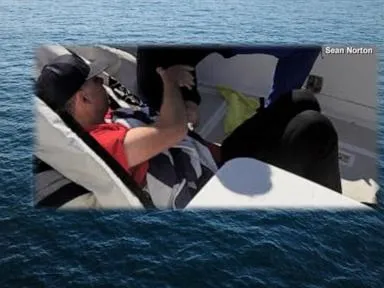
Cruise ship worker rescued by fishermen in Pacific Ocean
A cruise ship worker rescued by three local fishermen has been brought to safety after falling overboard in the Pacific Ocean. The crew member, who was employed by Royal Caribbean, went into the water miles off the coast of Newport Beach, California. The rescue operation was successfully completed by the fishermen, preventing a potentially fatal maritime accident. This incident highlights the immediate risks faced by maritime personnel operating in open waters far from shore-based emergency services. Local authorities confirmed the crew member was stabilized before being transported to a nearby medical facility.
November 14, 2026
3 min read
Source: ASHENVOW
Details of the Royal Caribbean crew member rescue
The rescue of the Royal Caribbean crew member occurred in the Pacific Ocean, specifically in the waters located several miles off the coast of Newport Beach, California. While the specific circumstances leading to the individual going overboard were not detailed in the initial report, the presence of three fishermen in the vicinity proved critical to the outcome. The intervention of these private citizens allowed for a rapid response in an area where commercial cruise vessels operate far from immediate land-based assistance.
Location and vessel involvement
The incident took place in open water, complicating the initial search and recovery efforts. Because the crew member fell overboard miles from the California coastline, the distance from Newport Beach played a significant role in the timing of the rescue. The involvement of the Royal Caribbean vessel identifies the scale of the operation, as large-scale cruise ships often maintain specific safety protocols for man-overboard situations.
The role of the three fishermen in the rescue operation
Three fishermen were the primary actors in the successful rescue of the cruise ship worker. Their proximity to the incident allowed them to identify the individual in the water and initiate a recovery before the situation escalated. In maritime environments, the speed of a rescue is often dictated by the immediate availability of nearby vessels, regardless of whether they are professional search-and-rescue craft or private fishing boats.
The fishermen's ability to navigate to the worker's location and facilitate their return to safety prevented a prolonged exposure to the Pacific Ocean conditions. This event underscores the unpredictable nature of maritime safety, where civilian vessels often become the first line of defense in emergency scenarios occurring between major shipping lanes and the coastline.
Maritime safety and overboard incidents
Overboard incidents involving cruise ship personnel remain a serious concern for maritime safety regulators. When a crew member falls into the ocean, the window for a successful rescue is extremely narrow due to the physical demands of the environment and the distance from shore. The successful outcome in this case was a direct result of the rapid response provided by the fishermen.
| Incident Detail | Information |
|---|---|
| Employer | Royal Caribbean |
| Location | Pacific Ocean (off Newport Beach, CA) |
| Rescuers | Three fishermen |
| Incident Type | Crew member overboard |
Impact of location on rescue response times
The distance from Newport Beach was a defining factor in the complexity of this rescue. In the Pacific Ocean, being "miles off" the coast means that standard emergency response times from land-based stations are significantly increased. This distance necessitates a reliance on nearby maritime traffic to provide immediate aid.
For crew members working on large vessels like those operated by Royal Caribbean, the risk profile changes based on their proximity to the coast. In deep-water scenarios, the survival of a person overboard depends heavily on:
- The immediate sighting by another vessel.
- The speed of the rescue craft's deployment.
- Environmental conditions such as wave height and temperature.
The fact that the rescue was carried out by fishermen rather than a dedicated coast guard vessel highlights the critical importance of maritime situational awareness among all people operating on the water.