Chandler Riggs Resident Evil 7 short film: Lore changes
Chandler Riggs' Resident Evil 7 short film marks a major creative shift for the actor, famous for The Walking Dead. Transitioning into directing, Riggs has produced a 20-minute fan adaptation set in the Baker family's bayou home. The project recreates the intense garage confrontation between Ethan Winters and Jack Baker. By starring as the lead, Riggs introduces a significant visual change to the established game lore. This article examines his creative choices, the hurdles of live-action adaptation, and his thoughts on future Resident Evil cinematic projects.
October 19, 2026
6 min read
Source: ASHENVOW
What is the premise of the Chandler Riggs Resident Evil 7 short film?
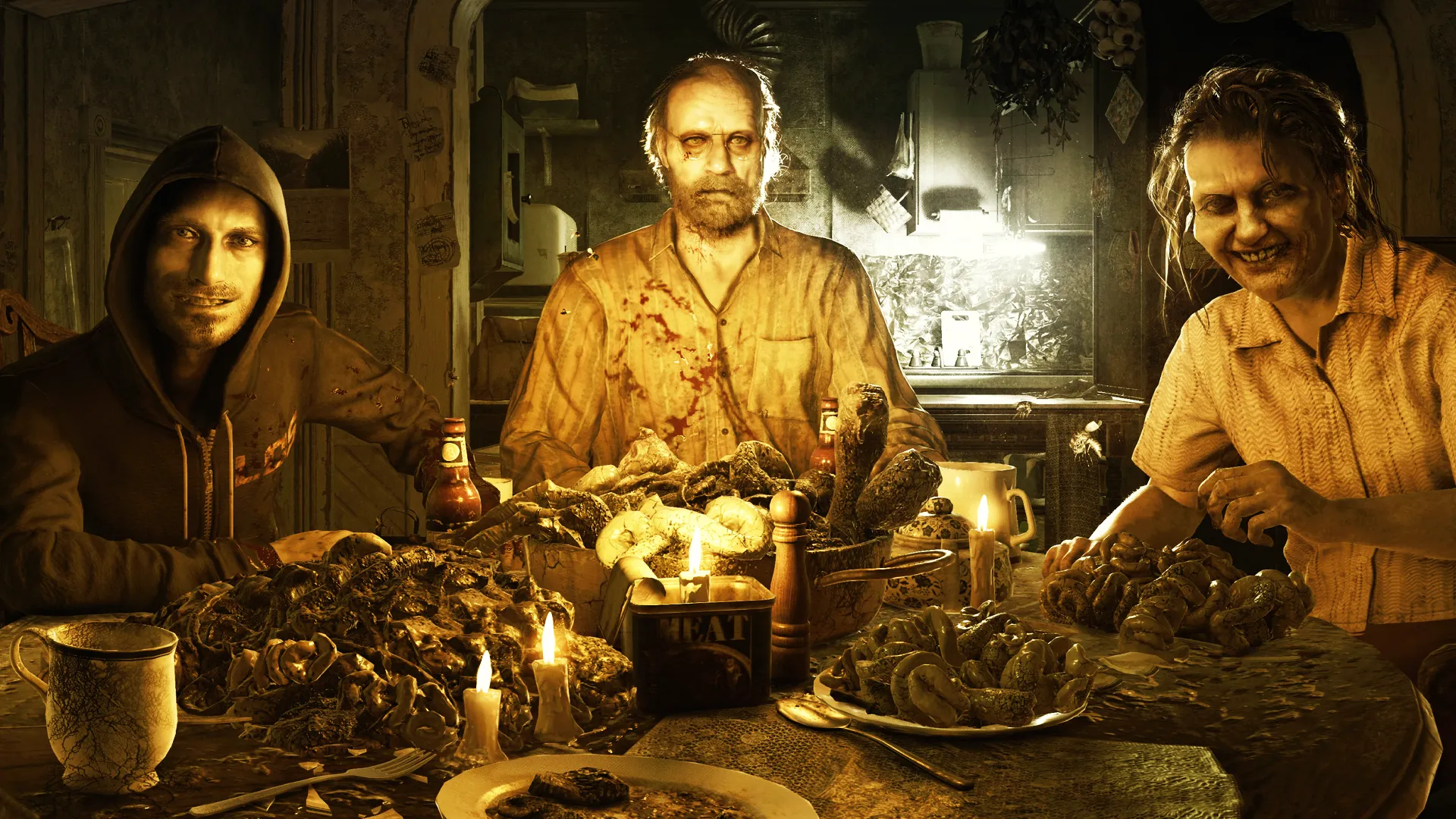
The short film is a 20-minute fan adaptation that focuses on a pivotal moment within the Resident Evil 7 narrative. Set in the atmospheric and decaying bayou home of the Baker family, the production recreates the high-stakes garage fight scene. This sequence involves the protagonist, Ethan Winters, struggling for survival against the infected Jack Baker.
Unlike the original source material, which relies heavily on a first-person perspective to maintain immersion and mystery, Riggs has opted for a more traditional cinematic approach. This decision fundamentally alters how the audience perceives the protagonist, moving away from the player-centric viewpoint that defines the Capcom title.
Why did Riggs decide to show Ethan Winters' face?
The most significant departure from the game's established canon is the decision to provide Ethan Winters with prominent screen time and a visible face. In the original Resident Evil 7 and Resident Evil Village games, Ethan Winters is a character defined by his anonymity. Because the games are played in the first person, Capcom intentionally limited the character's facial visibility to maintain player immersion.
Riggs addressed this creative tension in an interview with IGN, noting that the decision was both intimidating and necessary for the medium. He explained that while he initially considered staying faithful to the first-person perspective, he realized that a wider audience might struggle to connect with the story if it remained strictly tethered to the game's technical constraints.
The tension between lore and cinematic storytelling
Riggs noted that he went through a period of indecision regarding the visual language of the film. He questioned whether the production could maintain a first-person perspective throughout or if it could find a way to avoid showing the protagonist's face entirely. However, he eventually concluded that breaking these established "rules" was essential for a live-action format intended to appeal to viewers beyond the core gaming community.
This highlights a recurring challenge in video game adaptations: the conflict between preserving the specific mechanics that made a game successful and utilizing the visual language required for effective filmmaking. By showing Ethan's face, Riggs prioritizes character connection and traditional narrative flow over strict adherence to the first-person gimmick.
How does Riggs view the difficulty of Resident Evil adaptations?
Riggs believes that adapting the Resident Evil franchise for the silver screen is an inherently difficult task that requires significant creative liberty. He expressed strong support for director Zach Cregger’s approach to the upcoming Resident Evil film, noting that it is impossible to satisfy every segment of the fanbase. Riggs suggests that attempting to follow every detail of the lore can actually hinder the storytelling process.
According to Riggs, there will always be a segment of the audience that remains unhappy with any adaptation. He argues that rather than being "chained to the lore," creators should focus on telling a compelling story that can act as an entry point for new fans. This philosophy emphasizes the importance of brand expansion over rigid preservation.
The goal of expanding the franchise audience
Riggs views his short film and the broader cinematic movement as opportunities to bring more people into the Resident Evil franchise. By interpreting the world through a new lens, filmmakers can create content that is accessible to general moviegoers while still honoring the spirit of the source material. He noted his long-standing anticipation for Cregger's work, citing his own desire to see a high-quality, true-to-the-game live-action interpretation as a primary motivator for his own project.
What were the challenges in the production timeline?
The production of the short film faced logistical hurdles, specifically regarding its release schedule. The crew had intended to release the film prior to the debut of Zach Cregger’s Resident Evil project, but they were unable to align their timeline with the broader industry schedule. Riggs stated that certain "parts just didn't align" to allow for a synchronized launch.
Despite these timing issues, the project served a larger purpose for Riggs beyond mere content creation. He emphasized that his primary motivation was the collaborative nature of filmmaking. He expressed a deep passion for being on set and working alongside creative professionals, suggesting that the experience itself was a reward regardless of the release date.
What is the future outlook for Riggs and the franchise?
While the short film stands as a standalone fan project, Riggs has indicated an openness to future professional collaborations within the horror and adaptation genres. He specifically mentioned an interest in working with Zach Cregger, stating that his "phone is open" for potential future opportunities. This suggests that his foray into directing Resident Evil content may have opened doors for more formal roles in the industry.
The project serves as a testament to the enduring popularity of the Resident Evil series and the passion of its community. By taking a chance on a controversial creative choice—showing the face of a famously obscured character—Riggs has contributed to the ongoing conversation about how video game narratives should transition to the screen.
Frequently asked questions
Who is Chandler Riggs?
Chandler Riggs is an actor best known for his long-running role as Carl Grimes in the television series The Walking Dead. He has recently expanded his career into directing, notably creating a fan-made short film based on the Resident Evil 7 video game.
Why is Ethan Winters' face significant in Resident Evil?
In the Resident Evil 7 and Village games, Ethan Winters is a first-person protagonist whose face is rarely seen. This design choice by Capcom was intended to enhance player immersion. Riggs' decision to show the face in his short film is a major departure from this established gameplay style.
What is the setting of the Resident Evil 7 short film?
The short film is set in the Baker family's bayou home. It specifically recreates the intense and graphic garage fight scene between the protagonist, Ethan Winters, and the infected character, Jack Baker.
Does Riggs support Zach Cregger's Resident Evil movie?
Yes, Riggs expressed significant respect and anticipation for Zach Cregger's upcoming Resident Evil film. He empathizes with the difficulty of the task and supports the idea of making creative choices that might deviate from the strict lore to tell a better story.
How long is the Resident Evil 7 short film?
The fan-made short film directed by Chandler Riggs has a runtime of approximately 20 minutes. It focuses on a specific high-action sequence from the original Capcom game.
Key takeaways
- Chandler Riggs directed a 20-minute Resident Evil 7 fan film set in the Baker bayou home.
- The short film breaks lore by showing the face of protagonist Ethan Winters.
- Riggs believes breaking game rules is necessary to appeal to a wider cinematic audience.
- The production focuses on the intense garage fight between Ethan Winters and Jack Baker.
- Riggs expressed support for Zach Cregger's upcoming film interpretation of the franchise.
Conclusion
Chandler Riggs' Resident Evil 7 short film represents a bold attempt to translate a first-person gaming experience into a traditional cinematic narrative. By making the controversial decision to reveal Ethan Winters' face, Riggs prioritized character engagement and broader accessibility over strict adherence to Capcom's original design constraints. While the project faced timing challenges, it highlights the creative tension inherent in video game adaptations. Ultimately, Riggs' work reflects a broader industry sentiment: that successful adaptations must find a balance between honoring established lore and embracing the unique storytelling requirements of the silver screen.