Castlevania Belmont's Curse review: control and technical notes
Castlevania Belmont's Curse is the first new entry in the series in years from developer Evil Empire. The game mixes whip-based movement with castle exploration and boss encounters. Early platforming sections expose timing and input problems that affect precision. Later sections in Dracula's Castle introduce more inventive challenges and improve pacing. The title runs into refresh rate conflicts on high-hertz monitors and shows frame drops during cutscenes even with an in-game cap set. Combat includes solid hit reactions yet some attacks and dodges lack expected responsiveness. This article examines movement systems, combat feedback, presentation choices and progression from the first eight hours of play.
October 19, 2026
3 min read
Source: ASHENVOW
What technical problems appear at launch?
The game starts with a black screen on monitors set above 120 Hz. Players must lower the refresh rate before the title displays correctly. An in-game frame rate cap at 120 fps still produces noticeable drops when cutscenes begin. These issues surface before any gameplay and remain present during the initial hours. They do not prevent progress but interrupt flow in an action title that otherwise relies on tight timing.
How does movement feel during platforming?
Rose Belmont's whip requires a noticeable wind-up before each swing. This delay creates problems in sections filled with spikes that demand exact timing. Grapple points are sometimes missed when the analog stick points in the travel direction instead of directly at the target. A forward slide dodge offers limited invincibility frames and leads to damage in several boss encounters. The phase ability, used to pass through certain walls, is bound by default to the left trigger. Repeated presses during tight sequences feel imprecise because of the trigger's travel distance.
Why do some attacks and items feel mistimed?
The whip pull toward enemies triggers its damage too early in the animation. Healing flasks require a hold that lasts longer than expected, leading players to believe the action completed when it has not. These small timing offsets accumulate during combat and exploration. They contrast with the responsive feel found in other recent action games from the same studio.
Does the game improve after the opening areas?
Progression to Dracula's Castle brings new platforming mechanics not seen in earlier stages. Clues about each minion's location encourage exploration and planning. The structure becomes more puzzle-oriented than older Castlevania entries. Some sequences require combining whip swings with phase and wall jumps in fresh ways. These later sections maintain visual polish and introduce clearer objectives.
How does combat feedback compare to expectations?
Hit reactions deliver clear impact through brief pauses and particle effects. Animation quality remains consistent across attacks and enemy responses. Tarot cards function as both special weapons and boss guides, with an inventory presentation that rewards browsing. These elements provide the responsive feel missing from movement and item use. The overall combat loop gains strength once players reach the castle.
Frequently asked questions
Does the game support higher refresh rates at launch?
Initial testing shows the title fails to display on monitors running above 120 Hz. Lowering the system refresh rate resolves the black screen. No official patch addressing this limit has been confirmed.
Is the dodge reliable in boss fights?
The forward slide provides minimal invincibility frames. Many players report taking damage even when the input appears correct. Alternative movement options become necessary in later encounters.
Are the cutscenes animated or static?
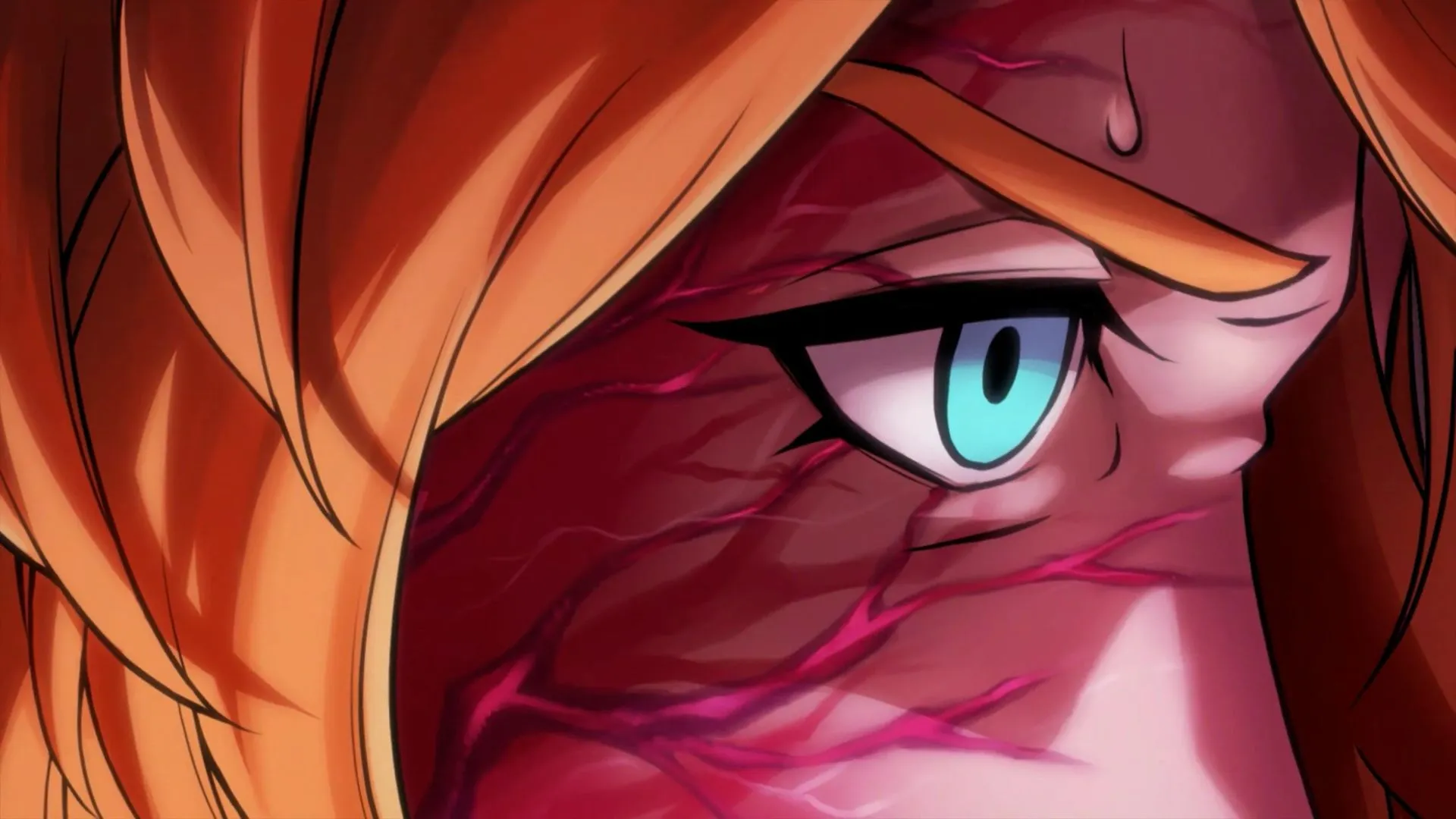
Early cutscenes use panning shots over static artwork. Voice performances match the Netflix series in some cases. Full animation was not produced for these sequences.
How long is the game based on current progress?
Eight hours of play reach roughly the halfway point. The castle section extends playtime with additional exploration and boss preparation.
Does the title feel like Dead Cells?
Control responsiveness differs from Dead Cells despite shared development. Movement timing and input mapping create a distinct and sometimes less fluid experience.
Key takeaways
Launch includes a refresh rate conflict above 120 Hz that requires manual adjustment. Whip wind-up and grapple input create repeated precision issues in platforming. The forward dodge lacks sufficient invincibility frames for reliable use in combat. Later castle areas introduce inventive platforming and clearer objectives. Hit reactions and tarot presentation deliver strong visual and tactile feedback. Static cutscenes limit the presentation despite voice talent from the related series.
Conclusion
Castlevania Belmont's Curse delivers improved structure once players reach the castle, yet early control and technical limitations prevent a fully cohesive experience. Movement timing and input choices require adjustment that may frustrate players expecting the responsiveness of prior Evil Empire titles. Combat feedback and later level design provide compensating strengths. The game remains playable and shows potential for refinement in future updates or expansions.