
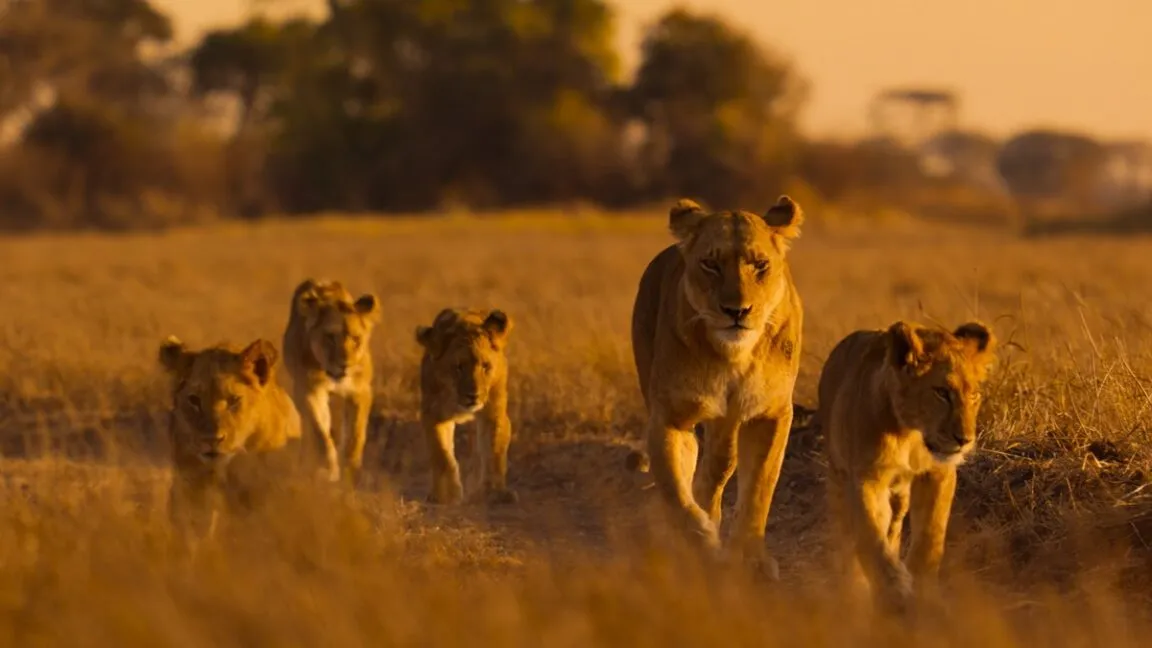
A global franchise begins with African ecosystems
National Geographic is launching a significant new documentary franchise designed to explore the environmental ecosystems of all seven continents. The inaugural installment, 'Africa: Earth's Wild Home,' serves as the flagship for this ambitious project. This series is not merely a collection of nature clips but a structured exploration of the planet's biological variety.
The production required an extensive timeframe and geographical reach to achieve its goals. According to the report, the seven-episode documentary series took four years to complete. Filming was conducted across nearly 30 different African countries, ensuring a wide-reaching perspective on the continent's habitats. Each episode is dedicated to a specific ecosystem, providing a deep dive into various environments, including:
- Dense jungles and tropical forests
- Arid desert landscapes
- Expansive plains and savannas
- High-altitude mountain ranges
- Remote islands
By isolating these environments, the series provides a comprehensive view of how life adapts to extreme and varied conditions across the African landmass.
Capturing rare behaviors and species
The series utilizes intimate footage to showcase the unique survival strategies and behaviors of various species. The documentary highlights a wide spectrum of life, from primates to marine animals, emphasizing the complexity of natural interactions. For instance, the series features chimpanzees engaging in tool use by fishing for algae, a rare behavioral example among primates.
The visual narrative also covers more vulnerable or specialized life forms. This includes the movement of African black panthers hunting for prey, the developmental struggles of orphaned baby pangolins learning to climb, and the life cycles of marine life, such as green turtles nesting on remote islands. These vignettes serve to illustrate the 'relentless and beautiful' nature of the continent's biology. Beyond just observing animals, the series also acknowledges the human element of ecology, specifically focusing on how local communities interact with and support these species.
The human element of conservation and production
While the animals are the stars, the series places a heavy emphasis on the human expertise required to document and protect these environments. Each episode concludes by highlighting the specialized professionals who made the filming possible, including scientists, photographers, and National Geographic explorers. This approach bridges the gap between raw nature footage and scientific understanding.
The final episode of the series shifts its focus toward the future of these habitats. It spotlights local conservation leaders and researchers who are actively working to preserve Africa's biodiversity for subsequent generations. This highlights the ongoing struggle to protect ecosystems from environmental pressures.
The voice of the series
To provide a powerful narrative voice, the producers selected actress Wunmi Mosaku. Known for her roles in productions such as Sinners, Loki, and Lovecraft Country, Mosaku brings a personal connection to the project. Born in Nigeria and raised in England, Mosaku expressed that narrating the series was a way to reconnect with the continent. She described the African landscape as a place where life is simultaneously diverse, extreme, beautiful, and peaceful.
Frequently Asked Questions
What is the name of the new National Geographic series?
The new documentary series is titled 'Africa: Earth's Wild Home.' It is the first installment in a planned franchise that will eventually document the wildlife and ecosystems of all seven continents on Earth.
How long did it take to film this documentary?
The production of the seven-episode series was a massive undertaking that took four years to complete. The filming process spanned nearly 30 different countries across the African continent to ensure diverse environmental coverage.
Who is the narrator of the series?
Wunmi Mosaku is the narrator of the series. The actress, who has appeared in Loki and Lovecraft Country, chose the role to celebrate her Nigerian heritage and the incredible biodiversity found throughout Africa.
