World of Warcraft Retail vs Classic: Pacing and MMO Play
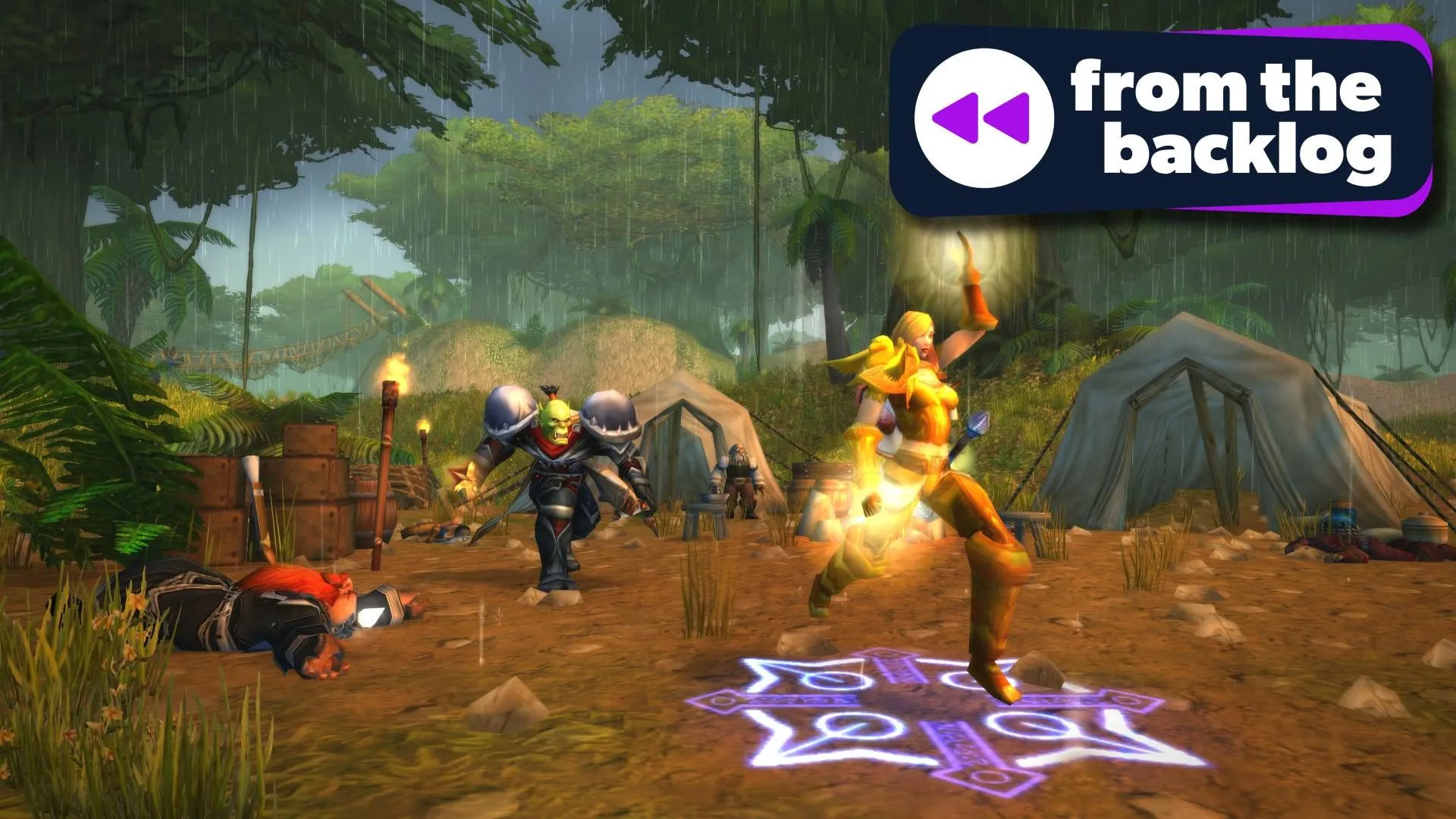
World of Warcraft Retail vs Classic offers two fundamentally different approaches to player progression and social engagement. While the modern 'Retail' version, including the Midnight expansion, prioritizes high-octane pacing and rapid character growth, the Classic and WoW Forever iterations rely on slower, more deliberate progression to foster community. In Retail, reaching the level 90 cap can take between 12 and 18 hours for average players, whereas Classic requires significantly more time, often several days of play for a single level range. This difference in time investment dictates how players interact with the world and each other.
November 14, 2026
4 min read
Source: ASHENVOW
The shift from community-driven MMO to seasonal gameplay
The modern iteration of World of Warcraft, specifically the Midnight expansion, has transitioned away from traditional Massively Multiplayer Online (MMO) structures toward a model more reminiscent of seasonal, queue-based titles like Overwatch or Call of Duty. This evolution is characterized by complex, layered systems involving multiple currencies and high-speed gameplay loops that prioritize immediate gratification over long-term world immersion.
For long-term players, this shift has fundamentally altered the social fabric of the game. In earlier expansions, players built lasting connections through shared struggles and long-term guild commitments. However, the current design emphasizes vertical progression and catch-up mechanics that allow players to stay at the top of the competitive ladder with minimal friction. This speed often results in a lack of community attachment, as players no longer feel tied to specific servers, factions, or social groups.
The impact of vertical progression on social ties
As progression becomes faster, the necessity for social cooperation diminishes. When a player can quickly pivot to a new class or gear up via the in-game store, the incentive to maintain long-term relationships within a guild or community weakens. The game becomes a solitary pursuit of efficiency rather than a shared social experience.
Comparing leveling speeds and progression mechanics
The most striking difference between World of Warcraft Retail vs Classic is the time required to progress through the game's levels. In the modern Retail environment, the speed of progression is designed to minimize downtime and maximize content access, whereas Classic uses time as a tool to build value in every achievement.
The following table illustrates the disparity in leveling and progression experiences based on recent gameplay observations:
In Retail, the ability to bypass large portions of the game through character boosts or rapid dungeon spamming means that players often miss the foundational elements of the world. Even when players choose to level through specific past expansions, they frequently encounter a lack of high-level players, leading to a disconnected experience where the world feels sparsely populated.
The role of time in creating meaningful gameplay
Time serves as the primary differentiator in how players perceive their achievements. In World of Warcraft Classic, the slow pace necessitates that players engage with the world's systems in a more holistic way. Because leveling takes a significant amount of time, players are more likely to engage in secondary activities that add depth to their experience.
For example, players in Classic often find themselves participating in the following activities to supplement their progress:
- Profession Management: Engaging in crafting and gathering to build wealth for future milestones, such as purchasing mounts.
- World Exploration: Traveling to specific zones to complete unique quest lines or obtain rare pets.
- Organic Grouping: Forming spontaneous groups for dungeons like Deadmines or Stockades, leading to memorable social interactions.
In contrast, the Retail experience is often defined by efficiency. Players frequently use mass Area of Effect (AoE) pulls in dungeons to clear content as quickly as possible, treating the game as a series of tasks to be completed rather than a world to be inhabited. This efficiency comes at the cost of the "momentous" feeling that accompanies gear upgrades or new talents in slower-paced environments.
Economic and accessibility differences
Accessibility in modern World of Warcraft is achieved through both mechanical design and direct monetization. Blizzard Entertainment provides various tools that allow players to bypass the traditional "grind," which can significantly alter the game's economy and player sentiment.
The modern game offers several shortcuts that are largely absent in the Classic experience:
- Character Boosts: Players can pay to skip the leveling process entirely, regardless of their account's current state.
- In-game Store Integration: Players can use real-world currency to acquire gold, which can then be used on the Auction House to purchase high-end gear.
- Complex Profession Systems: Modern professions often require significant data analysis to navigate effectively, adding a layer of complexity that can feel disconnected from the core gameplay loop.
While these features make the game more accessible to players with limited time, they also contribute to a sense of detachment. When gear can be bought and levels can be skipped, the intrinsic value of the journey is diminished. In Classic, the difficulty of obtaining resources and the time required to reach milestones ensure that every piece of equipment and every level gained feels like a hard-won victory.
| Feature | Retail (Midnight) | Classic / Forever |
|---|---|---|
| Leveling Duration (1-Max) | 12 to 18 hours (average) | Multiple days/weeks |
| Progression Focus | Vertical & Catch-up mechanics | Horizontal & World exploration |
| Gear Value | Rapidly becomes redundant | Tangible and long-lasting |
| Social Interaction | Queue-based / Fast-paced | Organic / Community-driven |