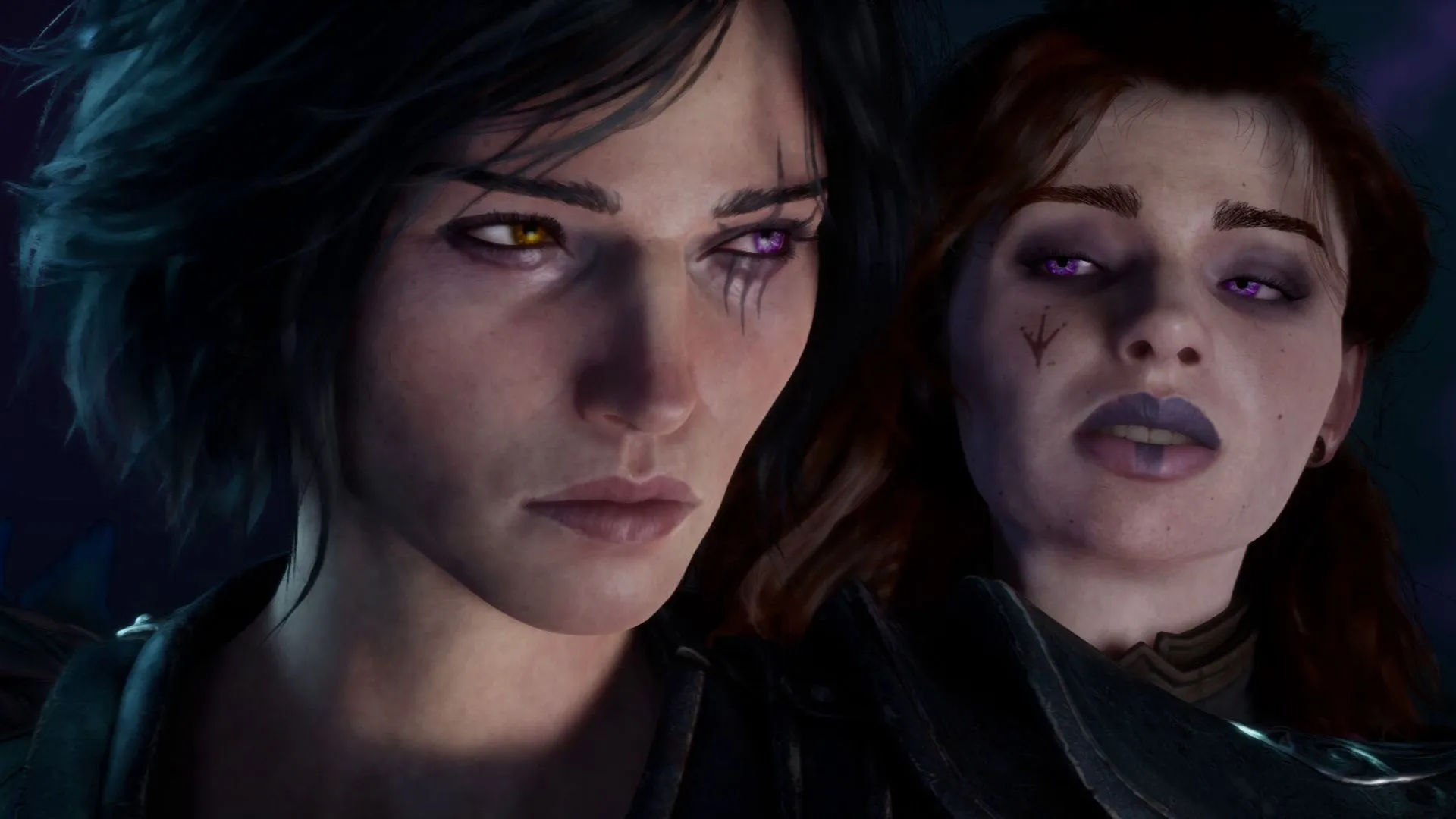
Why did the sword appear in the Warlock reveal?
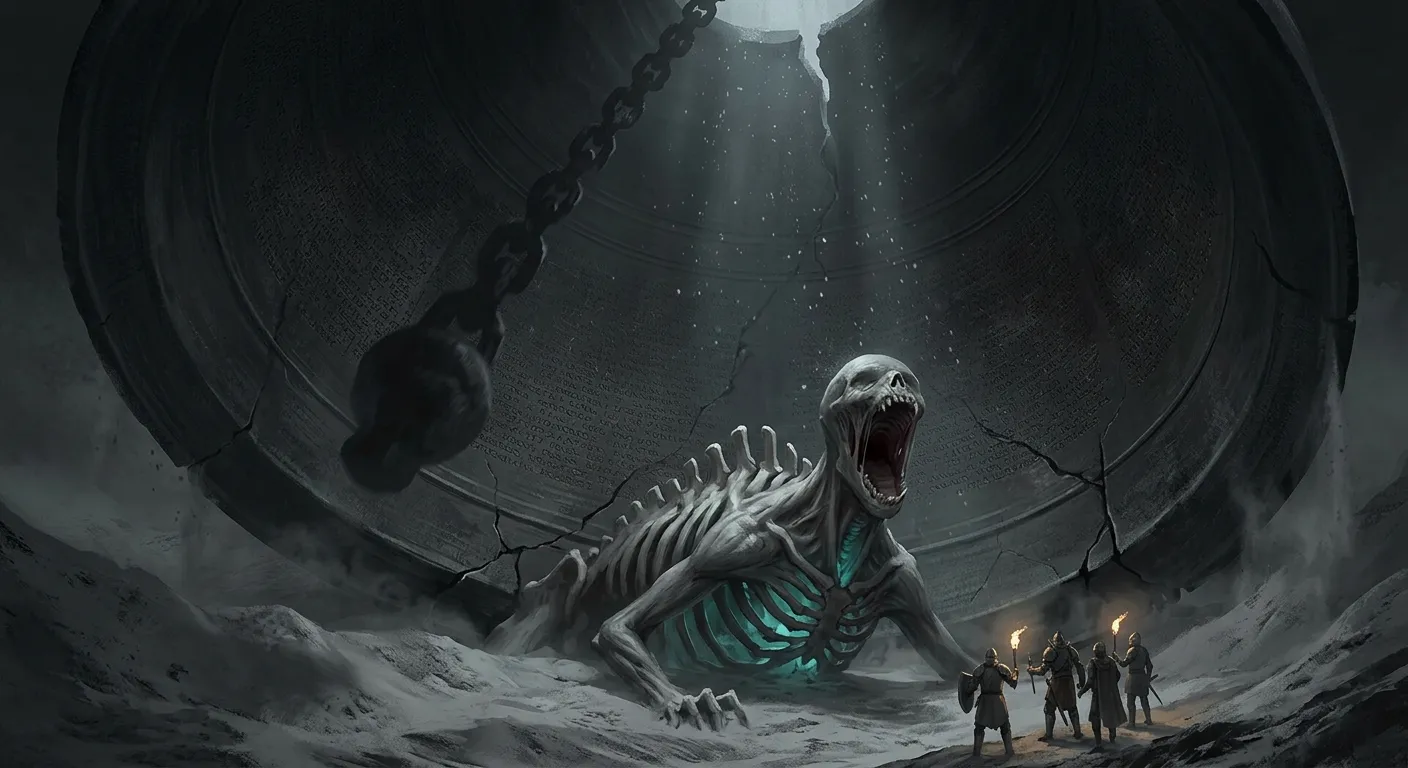
The presentation at Gamescom's Opening Night Live began with a sense of genuine discovery. For a few minutes, the footage suggested a game that moved beyond the standard tropes of the genre. The mechanics showcased were deeply rooted in the arcane: levitating objects to construct makeshift platforms, using teleportation spells to tactically swap positions with enemies, and conjuring massive storms to turn electrical attacks into devastating environmental effects. These systems indicated a game that prioritized guile, cleverness, and foresight over the simple, timed dodges and grisly executions found in many contemporary titles.
However, this momentum was punctured when the protagonist, Kaatri, pulled out a sword. While the character technically conjured the weapon from thin air—making the act of carrying heavy steel unnecessary—the visual shift was jarring. The transition from high-concept spellcasting to hack 'n' slash combat felt like a retreat into the familiar. For the observer, the appearance of the blade felt less like a tool and more like a concession to the standard third-person action adventure templates that have dominated the last decade of gaming.
How common are games built solely around spellcasting?
In the broader landscape of fantasy roleplaying games, mages are ubiquitous, but they are rarely the sole focus. They exist as an option—one of many roles a player can inhabit alongside warriors, rogues, or archers. It is far rarer to find a game that is purpose-built around the singular experience of wielding the arcane arts. This scarcity is a curious phenomenon in game design.
There are several theories as to why "mage games" are so rare. It may stem from a lingering, perhaps outdated, perception that magic users are "weedy and wet," a characterization that clashes with the historically masculine culture of gaming. More practically, however, it may be a matter of design difficulty. Designing a game where the primary interaction is purely magical presents a much sterner challenge than designing a combat loop around physical weapons. Most big-budget titles opt for a broad-appeal approach, catering to everyone by including multiple combat styles, which often results in a diluted experience for those seeking a specialized fantasy.
Examples of existing mage-centric titles
When looking for games that successfully ditch the traditional RPG bloat to focus on spellcasting, one name stands above the rest: Magicka. Arrowhead's debut title remains a masterclass in what happens when you ask, "What would it be like to be a mage?" and actually answer it. By focusing on a spell-customization mechanic that requires players to combine elements in real time, Magicka encourages a level of reckless, destructive experimentation that feels authentically magical. It understands that true power comes with the risk of accidentally burning down half a city due to a mispronounced incantation.
Other attempts to capture this feeling have struggled to find the same footing. Lichdom: Battlemage attempted to create a dedicated mage experience, but its potential was often lost to aching repetition. More recently, Immortals of Aveum offered decent action, yet it was criticized for its infuriating writing and a reductive interpretation of arcane power. These titles often fall into the trap of simply replacing guns with spells in a first-person shooter framework, rather than building a new language of gameplay around the magic itself.
What design challenges face a warlock-focused game?
The technical demands of creating authentic magic are significant. While swordplay is notoriously difficult to animate and nuance in a video game, spellcasting requires an entirely different set of considerations. A developer must create varied effects, complex interaction rules, and meaningful failure states that still feel empowering to the player. There is a fine line between a spell feeling like a powerful tool and it feeling like a repetitive, hollow mechanic.
The inclusion of melee in Warlock suggests a potential anxiety within the development process. It feels like a "crutch" used by developers who fear that players might not fully buy into a pure magic experience. There is a perceived need to cater to unimaginative players who simply want to wallop enemies with a "big metal stick." By adding the sword, a developer risks making a distinctive title feel like every third-person action game released in the last fifteen years, potentially undermining the very thing that makes a Warlock unique.
Could future titles expand on Magicka-style gameplay?
The success of Magicka, even fifteen years after its release, suggests there is a massive, underserved appetite for focused, experimental magic systems. The industry has yet to see a modern production with high-end values that fully commits to the chaos and ingenuity of pure spellcasting. A game that leans into the environmental destruction, the unpredictable nature of misfires, and the tactical complexity of elemental combinations could prove that audiences are ready for more than just "magic as an accessory." If a studio can move past the fear of being "too niche," they might find that drilling down into a specific archetype creates something far more memorable than a generic, multi-class adventure.
Frequently asked questions
Does Warlock include melee combat in its final version?
The Gamescom footage clearly shows both complex invocation sequences and traditional sword attacks. While the showcase prioritizes magic, the presence of the blade suggests that melee combat is a component of the gameplay loop.
Why are pure mage games uncommon?
The scarcity is likely due to a combination of design complexity and market assumptions. Studios often prefer to broaden their scope to include multiple combat styles to ensure wider appeal, rather than risking a more specialized, singular experience.
Is Magicka still the best example of spell-focused design?
According to the analysis, yes. Its ability to encourage ingenuity through element-combination and its focus on the chaotic nature of magic makes it a standout example that remains unmatched fifteen years later.
Will Warlock appeal to Dungeons and Dragons fans?
While the game uses the D&D license, the source notes that traditional Warlocks in tabletop play are not primarily associated with sword fighting. While fans of the setting will certainly be interested, those looking for a pure representation of Warlock spellcasting may find the melee elements unexpected.
Are there upcoming games that avoid melee entirely?
The source does not name any specific upcoming titles that avoid melee, but it highlights a clear need for more games that commit fully to magic as the primary toolset.
Key takeaways
Warlock's reveal presented a fascinating tension between inventive, invocation-based puzzles and conventional melee combat. While the magic systems showed great promise for clever, non-linear play, the inclusion of the sword felt like a concession to traditional action tropes. Dedicated mage-centric games like Magicka prove that focused design can be more impactful than broad-appeal titles, yet the industry continues to struggle with the technical and market challenges of building games around pure arcane power.
Conclusion
The Warlock presentation illustrated both the immense promise and the inherent hesitation surrounding mage-centric design. The invocation systems showed a clear path toward creative, thoughtful gameplay that sets the title apart. However, the sudden appearance of a sword serves as a reminder of the industry's tendency to retreat to safer, more familiar territory. Until more developers are willing to abandon the "crutch" of melee and fully embrace the unique complexities of the arcane, magic will continue to be treated as a secondary tool rather than the foundation of the experience.