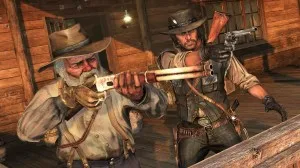
Why did Rockstar decide to kill John Marston at the end of Red Dead Redemption?
Dan Houser described the decision as emerging during story discussions with Christian Cantamessa. The pair agreed that the protagonist needed to die to give the narrative lasting impact. Houser initially hesitated because of the open-world format, where players typically return to complete side content after the main story concludes. Killing the lead character meant the team had to find a way for players to continue in the world without breaking immersion or requiring major redesigns of existing systems.
How did the epilogue with Jack Marston address open-world challenges?
The solution involved setting the epilogue years later in 1914 and switching control to Jack Marston. This allowed players to finish side missions and explore the map after the main story. Houser explained that the change created new complications, including how multi-stage missions would function if a player started one section as John and returned later as Jack. Audio, dialogue, and mission flow all required adjustments to maintain consistency across the time jump.
Technical and story concerns during development
Houser recalled uncertainty about whether the approach would succeed. The team worried about player confusion and the practical limits of switching protagonists mid-game. Despite these fears, they concluded the structure could work and proceeded with the plan. The epilogue ultimately showed Jack seeking revenge against those responsible for his father's death, a sequence Houser said resonated strongly with many players.
What reactions did the ending provoke among players?
Houser observed broad agreement that the decision strengthened the story, yet he was surprised by the intensity of negative responses. Some players expressed strong anger at the outcome. He viewed this reaction as evidence that the narrative had engaged the audience deeply. The emotional response confirmed that the death carried real weight, which aligned with the writers' original goal of creating a memorable conclusion.
Did Rockstar attempt similar protagonist deaths in other games?
Houser stated that the team wanted to explore comparable narrative risks in the Grand Theft Auto series, but technical constraints prevented it at the time. The approach was successfully repeated in Red Dead Redemption II, a prequel that ends with the death of Arthur Morgan from tuberculosis or during a confrontation with Micah. That game also included an epilogue featuring John and Jack Marston, showing the studio's continued use of the structure.
Frequently asked questions
What year does the Red Dead Redemption epilogue take place?
The epilogue is set in 1914, several years after the main events, and shifts the player to control Jack Marston as he pursues those who killed his father.
Who supported the idea to kill John Marston?
Lead designer Christian Cantamessa immediately endorsed the concept when Dan Houser proposed it during early story meetings.
Why did some players dislike the ending?
Many found the sudden death of the protagonist unexpected and upsetting, leading to strong negative reactions even though the choice ultimately served the story's dramatic needs.
Did the epilogue affect mission design?
Yes, the team had to plan how multi-stage missions would continue across the protagonist switch, ensuring players could complete objectives without narrative inconsistencies.
Where does Dan Houser work now?
Houser left Rockstar in 2020 and now leads Absurd Ventures, a studio developing an open-world comedy game, while his brother Sam remains at Rockstar working on GTA 6.
Key takeaways
Dan Houser confirmed the decision to kill John Marston was made to give the story necessary dramatic weight. The epilogue switched to Jack Marston in 1914 to preserve open-world functionality after the main story. Production required solutions for audio, dialogue, and multi-stage missions across the time jump. Player anger surprised the team but was later seen as proof of strong narrative engagement. Similar protagonist death mechanics appeared again in Red Dead Redemption II with Arthur Morgan. Houser noted technical limits prevented the same approach in the Grand Theft Auto series at the time.
Conclusion
The interview provides clear insight into the reasoning behind one of the most discussed moments in Red Dead Redemption. By addressing both the creative intent and the practical production obstacles, Houser shows how the team balanced story goals with the demands of an open-world format. The resulting epilogue structure allowed the game to deliver a conclusive ending while still offering players continued access to the world. This approach has since influenced later Rockstar titles and remains a reference point for narrative risk in large-scale games.