The Outlast Trials development: How prototypes shaped it
Red Barrels co-founder Philippe Morin opens up about the intense journey of bringing a new vision to life. He reveals the deep struggles involved in turning a vague co-op concept into a successful live service title. The process was far from linear, involving years of rigorous prototyping and many difficult lessons learned along the way. Morin discusses how early failed playtests served as a turning point for the studio. These setbacks ultimately forced a major design pivot that redefined the game's core mechanics and ensured its eventual success in the competitive horror genre.
October 27, 2026
5 min read
Source: ASHENVOW
How long did The Outlast Trials take to develop?
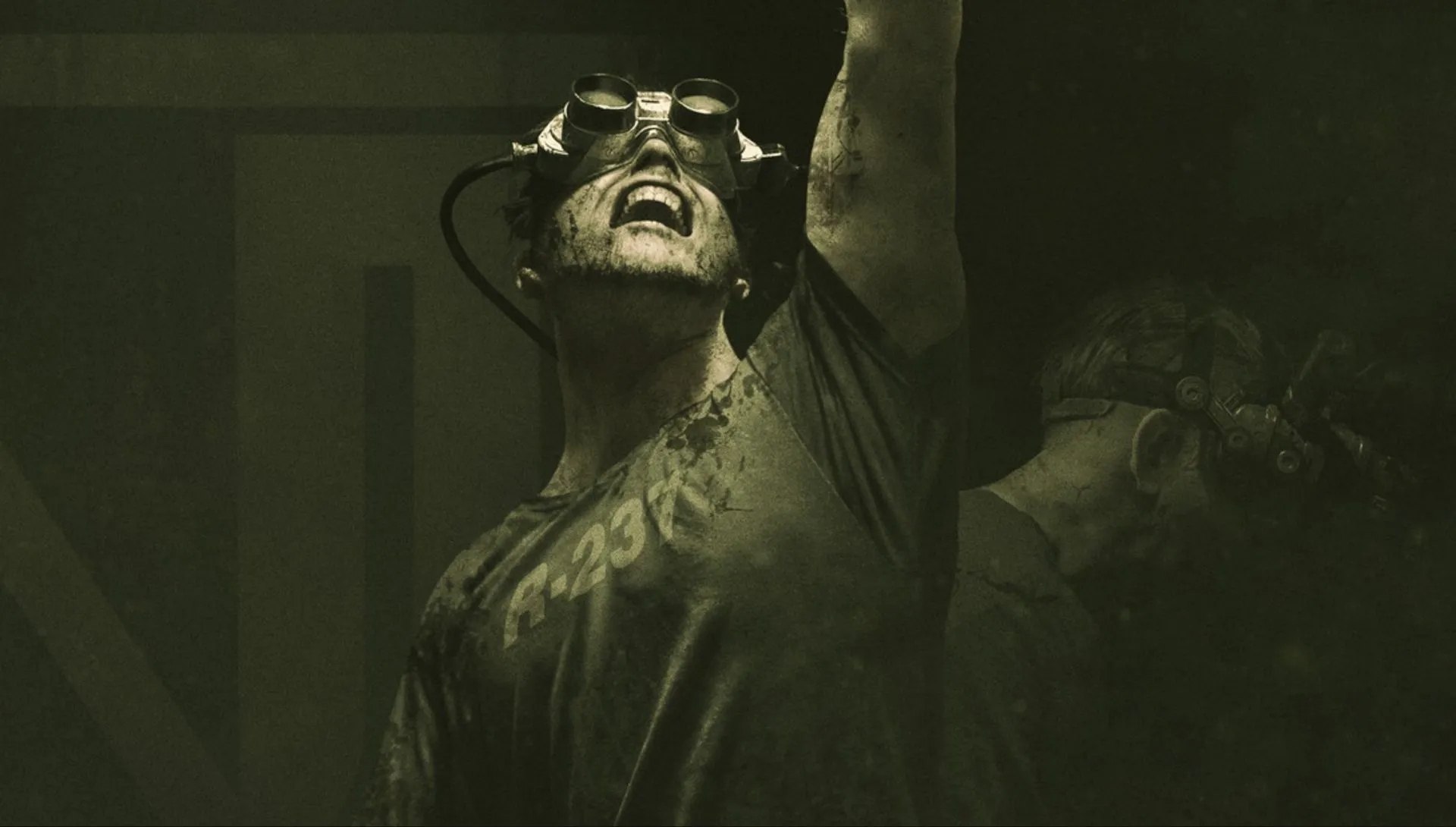
The journey to bring a cooperative experience to the Outlast franchise was far from a linear progression. Development spanned six years, moving from the initial, vague notion of a co-op Outlast game to its eventual launch via early access. Red Barrels co-founder Philippe Morin recently opened up about the grueling nature of this timeline, describing it as "a f**king long time."
This six-year period was characterized by intense experimentation. Morin noted that the final product was the result of "a s**t-ton of prototypes," suggesting that the team spent years testing various mechanics and structures to see what would stick. Interestingly, the team had actually produced what appeared to be a seemingly shippable build within the first four years of development. However, the road to a successful release required much more than just hitting that four-year milestone, as subsequent testing revealed fundamental flaws that necessitated a return to the drawing board.
What problems emerged during initial playtests?
While the team had a functional build ready after four years, the playtests that followed were a significant setback. The feedback from these sessions was not what the developers had hoped for; instead, the playtests went poorly enough to force a major strategic shift. The core issue was a disconnect between the new gameplay direction and the established identity of the Outlast series.
The developers found themselves in a position where the game they had built did not feel like an Outlast game. The feedback indicated that the specific direction they had taken—prioritizing certain systemic elements—had actually distanced the experience from the tension and atmosphere that fans expected from the franchise. This realization meant that the work completed in those first four years could not simply be polished; it had to be fundamentally re-evaluated to ensure the series' DNA remained intact.
Design adjustments after feedback
The pivot following the failed playtests was a matter of balancing innovation with brand identity. Morin explained that the team had "gone too far" in their pursuit of specific technical goals. Specifically, the developers had been heavily focused on making the game systemic and random. The intention was to reach an "ultimate goal of infinite replayability," a common objective in modern game design, especially for titles intended to have long lifespans.
However, the team realized that in chasing this level of procedural complexity, they were sacrificing the very essence of what makes Outlast a horror experience. To fix this, they had to make a difficult choice: they needed to come back to a design that perhaps offered less theoretical replayability but felt more authentically like Outlast. By scaling back the reliance on systemic randomness, they were able to refocus on the atmosphere and the specific brand of horror that the players craved, effectively trading infinite procedural variety for a more cohesive and recognizable experience.
Why did the team prioritize replayability initially?
The initial drive toward systemic and random gameplay was rooted in the desire to create a robust co-op experience. In the context of a cooperative horror game, high replay value is often seen as a necessity to keep players engaged over the long term. The team aimed to build a world where encounters felt fresh every time, driven by randomized elements that would prevent the gameplay from becoming predictable.
This pursuit of "infinite replayability" was intended to provide a foundation for a long-lasting title, but as Morin's comments suggest, it became a trap that led the project away from its core identity. The challenge lay in the fact that the very mechanics designed to keep the game fresh were the same mechanics that were eroding the specific, curated horror that defines the Outlast name. The development process became a lesson in finding the middle ground between a highly variable systemic game and a focused, atmospheric horror title.
How has the game performed since launch?
Despite the turbulent development history and the mid-stream design pivots, The Outlast Trials has found significant success. The concerns regarding replayability appear to have been mitigated by the game's evolution into a sizable live service title. At the time of writing, the game maintains a healthy player base, with approximately 20,000 people playing simultaneously.
However, the transition to a live service model has not been without its own set of challenges. The game's ongoing development continues to face scrutiny from its community, particularly regarding the use of AI-generated imagery, which has met with mixed reactions from players. Furthermore, the success of The Outlast Trials has had a direct impact on the broader franchise roadmap; the massive undertaking and success of the Trials project seemingly resulted in Outlast 3 being put on the backburner.
FAQ: The Outlast Trials development
What caused the six-year development cycle?
The extended timeline was driven by extensive prototyping and a major design pivot. After four years of work, the team realized their direction was too far removed from the core Outlast experience, requiring them to restart and refine their approach.
Did playtests lead to major changes?
Yes. Initial playtests for a build produced after four years went poorly, prompting the team to move away from a highly systemic, random design in favor of something that felt more like the original Outlast games.
Is the game still receiving updates?
Yes. The Outlast Trials currently functions as a live service game with an active player base of around 20,000 players.
Were there concerns about AI content?
Yes, players have expressed mixed feelings regarding the game's use of AI-generated imagery.
What happened to Outlast 3?
Following the success of The Outlast Trials, work on Outlast 3 was seemingly put on the backburner.
Key takeaways
- The development of The Outlast Trials lasted six years and involved a "s**t-ton of prototypes."
- A shippable build was reached at the four-year mark, but failed playtests forced a redesign.
- The team pivoted away from extreme systemic randomness to preserve the Outlast atmosphere.
- The game has successfully transitioned into a live service title with ~20,000 players.
- The project's success led to the postponement of Outlast 3.
- Player sentiment remains mixed regarding the use of AI-generated imagery.
Conclusion
The Outlast Trials is a testament to the complexities of modern game development, where the desire for infinite replayability can sometimes clash with the fundamental identity of a franchise. By recognizing that they had gone too far into systemic complexity, Red Barrels was able to course-correct, prioritizing the atmosphere that fans expect. While the shift to a live service model brings new challenges—ranging from community debates over AI to the postponement of future mainline entries—the current player numbers suggest that the team's decision to return to their horror roots was the correct one.