What makes a virtual property livable?
Judging video game houses requires a shift in perspective from traditional gaming metrics like combat mechanics or narrative depth. Instead, the focus must turn to adult concerns: Is there sufficient storage? Is the bathroom conveniently located? Does the layout provide enough natural light? To conduct a thorough assessment, properties are evaluated on several key pillars: layout, facilities, location, storage, outdoor space, and a subjective element known as "the vibe."
However, living in a digital world introduces unique risks that a standard real estate agent might overlook. A primary consideration is survivability. One must weigh the aesthetic beauty of a location against the likelihood of being murdered in one's sleep, the presence of supernatural interference, or the proximity of an impending apocalypse. A house is only as good as its ability to provide a safe, functional sanctuary amidst the chaos of its respective game world.
How does the Stardew Valley farmhouse compare?
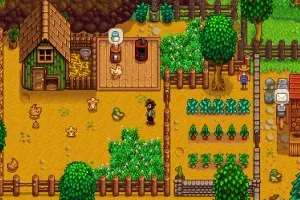
The Stardew Valley farmhouse serves as a premier example of a functional rural property, earning a high score of 9/10. It offers a comfortable living space that allows for significant interior customization, alongside a valuable patch of land for agricultural use. The ability to grow food and raise animals on one's own property provides a level of self-sufficiency that is highly appealing to those seeking a peaceful lifestyle.
The property's greatest strength is its potential for organic growth. Unlike modern "soulless" new builds, the farmhouse can be expanded and improved over time, making the inhabitant feel a genuine connection to the home they have developed. This sense of ownership is a vital component of livability.
The drawbacks of rural isolation
Despite its charms, the farmhouse is not without its flaws. The local economy is notably fragile, relying on a small community of producers. Furthermore, the lack of infrastructure and the presence of monsters in nearby mines suggest a lack of formal security protocols. The isolation and the potential for external threats result in a one-point deduction, preventing a perfect score.
Why is the Alan Wake 2 lake house a poor choice?
The lake house in the Alan Wake 2 expansion is a beautiful example of architectural elegance paired with spectacular natural landscapes, yet it receives a disappointing 4/10. While the tranquil views and fresh air are ideal for those who love being near the water, the survivability prospects are unacceptably low. The property is situated in a heavily wooded, isolated area that becomes a liability when supernatural horrors are a constant presence.
Living in such an environment raises significant logistical questions that impact daily life. For instance, the proximity of medical facilities is unknown, and there is no guarantee that essential services, such as delivery drivers, can even locate the property. Most importantly, the high density of "strange" occurrences and shadow creatures makes the house a source of anxiety rather than a place of rest. Even the most stunning view cannot compensate for the lack of security against the paranormal.
Can Animal Crossing offer the ultimate customized lifestyle?
The Player's House in Animal Crossing: New Horizons earns a 9/10 due to its unparalleled customization and outdoor flexibility. The ability to rearrange furniture, experiment with various aesthetic styles, and redesign the entire space in minutes without the cost or mess of real-world renovations is a massive advantage. This level of creative control allows the inhabitant to express their personality entirely through their living environment.
The location is also a major benefit, offering peace and quiet. However, the property's score is slightly diminished by the surrounding infrastructure and the nature of the local administration. The public transport network is insufficient, and the financial arrangements provided by Tom Nook raise significant concerns. The lack of transparency in mortgage-like agreements and the absolute control Nook holds over home expansion create a sense of distrust in the landlord.
Is The Sims 4 the gold standard for home design?
The Sims 4 achieves a perfect 10/10 because it functions effectively as a property development simulator. It allows for the creation of dream homes—featuring enormous bathrooms, walk-in wardrobes, and conservatory bedrooms—without the constraints of real-world finances or building restrictions. The primary joy lies in the fantasy of designing a space that would otherwise be unattainable.
While the customization is endless, the gameplay can occasionally highlight the consequences of poor architectural planning. Inefficient layouts can lead to significant daily inconveniences for the residents, such as long walking distances to reach basic facilities like the kitchen. Additionally, a cluttered environment with too many appliances can compromise functional prep space. Despite these minor logistical hurdles, the sheer freedom of design makes it the ultimate virtual residence.
Navigating the risks of Resident Evil 7
In stark contrast to the luxury of The Sims, the Baker family home in Resident Evil 7 is a cautionary tale, earning a mere 1/10. While it initially appears to be a spacious, characterful rural retreat, closer inspection reveals a property in a state of severe neglect and filth. The interior is falling apart, suggesting a total lack of maintenance by previous occupants.
The most significant deterrents are the biological horrors and the unsettling atmosphere. The kitchen, which should be a hygienic area for food preparation, is particularly distressing. While the property might be inexpensive, the astronomical costs of renovation and the pervasive, strange smells make it an unviable option for anyone seeking a healthy or safe living environment.
What are the challenges of building in Minecraft?
Minecraft offers a unique proposition where the inhabitant is also the architect, allowing for homes ranging from lakeside cottages to mountain mansions. However, this freedom comes with significant practical burdens. Unlike other games where a house is provided, Minecraft requires the player to source all materials, design the structure, and manage the construction process themselves.
The location of the build is critical to its long-term success. Choosing a biome without considering the local fauna can lead to hostile mobs appearing directly outside or even inside the home if lighting is insufficient. Additionally, while building in remote, beautiful areas is rewarding, the logistical difficulty of traveling to gather resources can make daily life tedious and exhausting.
Frequently asked questions
Which video game house is the safest to live in?
The Sims 4 provides the highest level of safety because the player has total control over the environment and the removal of external threats. Unlike games like Alan Wake 2 or Resident Evil 7, there is no inherent risk of supernatural attacks or biological hazards in a standard Sims household.
Why is the Stardew Valley farmhouse ranked so highly?
The Stardew Valley farmhouse is highly rated because it combines comfort, customization, and self-sufficiency. The ability to grow food and manage a private garden provides a sense of stability and personal achievement that many other virtual properties lack, despite the risks of the local environment.
Is customization important for virtual livability?
Yes, customization is a vital factor in livability as it allows residents to adapt their space to their specific needs and personalities. Games like Animal Crossing and The Sims 4 excel in this area, which significantly increases the perceived value and comfort of the home.
What are the main risks of living in video game houses?
The main risks include supernatural interference, physical danger from monsters or hostile mobs, and poor structural maintenance. Properties in horror-themed games like Resident Evil 7 or survival-oriented games like Minecraft require much higher levels of vigilance and resource management to remain habitable.
Can a beautiful view compensate for a bad location?
In most cases, no. As seen with the Alan Wake 2 lake house, a spectacular view cannot outweigh the dangers of isolation and the presence of supernatural threats. A home must be functional and safe to be considered truly livable, regardless of its aesthetic appeal.
Key takeaways
- The Sims 4 offers the highest livability (10/10) due to limitless customization.
- Stardew Valley's farmhouse (9/10) provides excellent self-sufficiency and growth potential.
- Animal Crossing's houses (9/10) excel in creative expression and outdoor space.
- Resident Evil 7's Baker house (1/10) is deemed uninhabitable due to filth and danger.
- Alan Wake 2's lake house (4/10) fails due to high supernatural risks.
The future of virtual real estate
The evaluation of video game houses reveals that true livability is a complex intersection of aesthetics, functionality, and security. While players often seek out beautiful landscapes, the practical realities of maintenance, resource access, and safety are what ultimately define a home. As gaming technology advances, the distinction between a mere game level and a functional virtual residence will likely become even more pronounced, forcing players to consider not just how a game plays, but how a life might be lived within its borders.