How did the Greg Lui smuggling scheme operate?
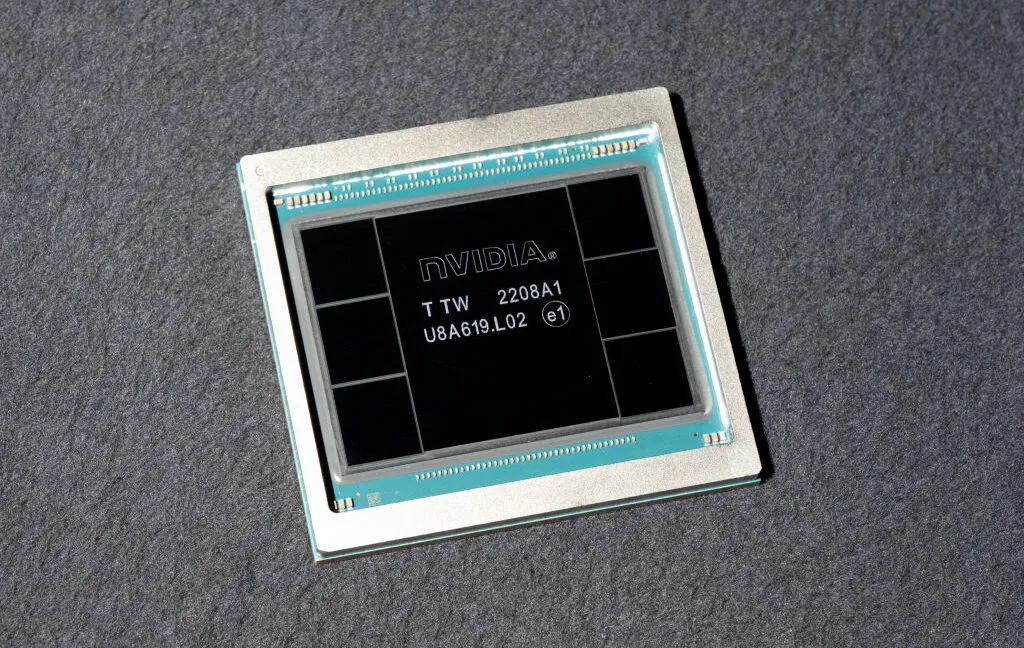
Greg Lui, the 38-year-old CEO of Earthmade Computer, allegedly utilized complex logistical routes and falsified documentation to move restricted hardware into China. According to the Department of Justice (DOJ), the scheme began in October 2023 and continued until August 2026, involving shipments of servers containing Nvidia’s A100 and H100 GPUs. While these are not the most advanced chips currently available, they possess the computational power required to train large language models, a capability the US government seeks to restrict to prevent Chinese military and AI advancements.
The indictment details several specific instances of fraudulent activity intended to deceive US regulators:
- False Destinations: In 2024, Lui allegedly submitted a purchase order for 27 servers worth approximately $7,614,000, claiming they were destined for Malaysia, though a co-conspirator reportedly informed a Malaysian official that the goods were actually sent to China.
- Complex Routing: A shipment of 92 export-controlled servers was allegedly routed through Singapore and Malaysia before ultimately arriving in Hong Kong and then reaching a Chinese AI hub in Hangzhou.
- Identity Theft: To facilitate a shipment of 100 servers valued at over $22 million, Lui allegedly used fraudulent documents from a fake buyer, even going as far as purchasing the identity of a real individual three years prior to conduct business transactions.
Financial records from Bank of America and JP Morgan have been cited by the DOJ as evidence of the revenue generated by this operation, which allegedly brought in more than $176 million for Lui's firm in 2024 alone.
What are the legal consequences for the accused?
Greg Lui faces significant federal prison time if convicted of the charges brought against him by the US government. The indictment includes three primary counts: conspiracy to violate the Export Control Reform Act and the Export Administration Regulations, federal smuggling, and money laundering. The severity of these charges reflects the high priority the US places on controlling the flow of advanced semiconductor technology.
Potential sentencing and asset seizure
If found guilty, the legal penalties are substantial. The counts of conspiracy and money laundering each carry a maximum penalty of up to 20 years in prison. The smuggling charge carries a maximum sentence of 10 years. Furthermore, the DOJ has signaled its intent to seize all funds and assets that were gained through the illegal smuggling scheme, aiming to dismantle the financial incentives behind such illicit trades.
Why is Nvidia facing scrutiny over its compliance?
Nvidia is under increasing pressure from US officials to improve its due diligence and prevent its products from entering the Chinese shadow market. While Nvidia maintains that the diversion of its products is minimal, critics and investigators suggest that the scale of the black market for AI chips is much larger than officially reported. A Bloomberg investigation involving dozens of people across five countries suggests that hundreds of thousands of AI chips are being traded through sprawling networks to power Chinese data centers.
The core of the criticism lies in what officials call "blind spots" in Nvidia's screening processes. Despite having protocols to block shipments to unknown end-buyers, several high-profile incidents suggest these safeguards are being bypassed:
- Inadequate Facility Checks: In one instance, Nvidia and Supermicro reportedly authorized a sale to a Taiwanese facility that was clearly too small to house the massive volume of high-end chips ordered, which were then quickly transferred to a Chinese firm.
- Reliance on Fake Leases: Nvidia allegedly failed to detect a case where a small data center in Thailand was using fraudulent leases to secure bulk orders of diverted chips.
- The "Whitelist" Strategy: Rather than intensifying scrutiny on all shipments to neighboring Asian countries, sources indicate Nvidia has moved toward creating an internal "whitelist" of pre-approved Asian firms for AI chip purchases.
Nvidia has defended its practices, stating that a startup's growth in a friendly nation is an economic opportunity rather than a red flag. A spokesperson told Bloomberg that "Nvidia-powered servers are financeable assets that help startups secure capital," suggesting that the company views these transactions as legitimate business growth.
How does the US government approach AI export controls?
The US approach to AI technology is currently characterized by a tension between national security concerns and the desire to maintain American dominance in the global AI race. While the Department of Justice actively prosecutes smugglers like Lui, the broader administration's policy has been described as relatively hands-off regarding how private companies like Nvidia police themselves. This approach is influenced by the geopolitical goal of ensuring the US leads in "Super Intelligence" (SI), a term recently championed by the Trump administration.
The shift in terminology from "Artificial Intelligence" to "Super Intelligence" reflects an effort to project American technological superiority. However, this rebranding has met with skepticism from both domestic and international actors. Critics, including California Governor Gavin Newsom and officials from China's foreign ministry, argue that the term is a distraction from the urgent need to address real-world security and safety risks associated with frontier AI models.
The impact of political influence on regulation
The regulatory landscape is heavily influenced by the political climate in Washington. While some members of Congress have called for stricter laws to cut off China's access to chips, industry opposition has successfully watered down some anti-smuggling legislation. Additionally, the growing influence of tech leaders has led to a more relaxed enforcement environment in some sectors, as the administration seeks to avoid stifling the very companies that are driving the AI revolution.
Frequently asked questions
What specific Nvidia chips are involved in the smuggling allegations?
The indictment specifically mentions Nvidia's A100 and H100 GPUs. While these are not the most cutting-edge chips currently being produced, they are highly capable of processing massive datasets and training the large language models that are central to modern AI development and potential military applications.
How much money was allegedly made through the smuggling scheme?
According to the DOJ, the scheme involved the illegal diversion of more than $300 million worth of servers. Furthermore, Greg Lui's firm, Earthmade Computer, allegedly received over $176 million in payments related to these activities during the year 2024 alone.
Which countries were used as transit hubs for the chips?
The smuggling operation allegedly utilized several South Asian and Southeast Asian nations to mask the final destination of the chips. Specifically, the indictment points to Malaysia and Singapore as key locations where freight-forwarding firms helped divert the shipments into China.
What is Nvidia's official response to these smuggling incidents?
Nvidia has downplayed the impact of these diversions, with a spokesperson telling Bloomberg that less than 0.5% of Nvidia products have been diverted to China. The company argues that the amount of controlled products being smuggled is insignificant compared to the massive amount of domestic computing power China already possesses.
What does the term "Super Intelligence" mean in this context?
The term "Super Intelligence" (SI) is a rebranding of "Artificial Intelligence" (AI) promoted by the Trump administration. While many AI experts consider the term technically inaccurate, it is being used by political officials to project a sense of American dominance and to distinguish advanced AI capabilities from mere automation.
Key takeaways
- Greg Lui, CEO of Earthmade Computer, faces up to 20 years in prison for an alleged $300 million chip smuggling scheme.
- The scheme used fraudulent documentation and transit through Malaysia and Singapore to send Nvidia A100 and H100 chips to China.
- Nvidia claims that diverted products represent less than 0.5% of its total output, calling the diversion "insignificant."
- US officials are pressuring Nvidia to close "blind spots" in its compliance protocols to prevent further illegal diversions.
The evolving landscape of AI technology control
The arrest of Greg Lui highlights the persistent challenges the US faces in enforcing export controls on critical semiconductor technology. As smuggling networks become more sophisticated, the line between legitimate business transactions and national security threats continues to blur. While Nvidia maintains that its compliance measures are sufficient, the recurring nature of these incidents suggests a significant gap between regulatory intent and operational reality. The future of AI competition will likely depend on whether the US can successfully tighten these digital borders without stifling the commercial momentum of its own leading technology firms.