Next generation consoles face a $1000 price barrier
Next generation consoles face a significant economic hurdle as rising component costs threaten to push retail prices toward the $1000 mark. To avoid this, industry analysts suggest that Sony, Microsoft, and Nintendo may need to moderate their pursuit of high-end performance. This shift could fundamentally change how hardware cycles function, potentially leading to longer-lasting console generations and more complex product tiers. Analysts specifically point to the increasing cost of advanced semiconductor manufacturing as the primary driver of this inflationary pressure on consumer electronics.
November 13, 2026
3 min read
Source: ASHENVOW
The economic pressure on high-end hardware ambitions
The gaming industry is confronting a difficult landscape where the cost of producing affordable hardware appears increasingly uncertain. Analysts suggest that the drive for cutting-edge technical specifications is colliding with a reality of rising manufacturing expenses. If manufacturers continue their current trajectory, the next generation of gaming hardware could arrive with a price tag exceeding $1000.
Several factors contribute to this mounting financial pressure. The ongoing DRAM crisis and the rapid expansion of the AI boom have collectively driven up the cost of essential electronic components. Unlike previous hardware transitions, current-generation console prices have shown a trend of increasing even years after their initial launch, rather than decreasing through economies of scale.
Primary cost drivers in gaming hardware
- DRAM Shortages: Ongoing volatility in memory component availability.
- AI Boom: Increased competition for high-end semiconductors and silicon.
- Component Inflation: General upward pressure on the cost of specialized gaming hardware.
Moderating performance to maintain affordability
To prevent a massive price spike for consumers, industry experts believe that the pursuit of raw power must be balanced against economic reality. Piers Harding-Rolls at Ampere Analysis has noted that the industry's current direction may be unsustainable for the mass market.
"The relentless push for higher-end performance will need to be moderated," Harding-Rolls stated in an interview with TechRadar Gaming regarding rising costs. This suggests that for upcoming platforms like the PS6 or Microsoft's rumored Project Helix, manufacturers might have to make strategic concessions in realistic graphics or processing power to keep the retail price within a reasonable range for the average consumer.
Hardware stratification and market tiers
Another potential response to these economic pressures is the implementation of hardware stratification, where manufacturers offer different tiers of performance to capture various segments of the market. This approach would move away from a single, monolithic hardware standard toward a more diverse ecosystem of devices.
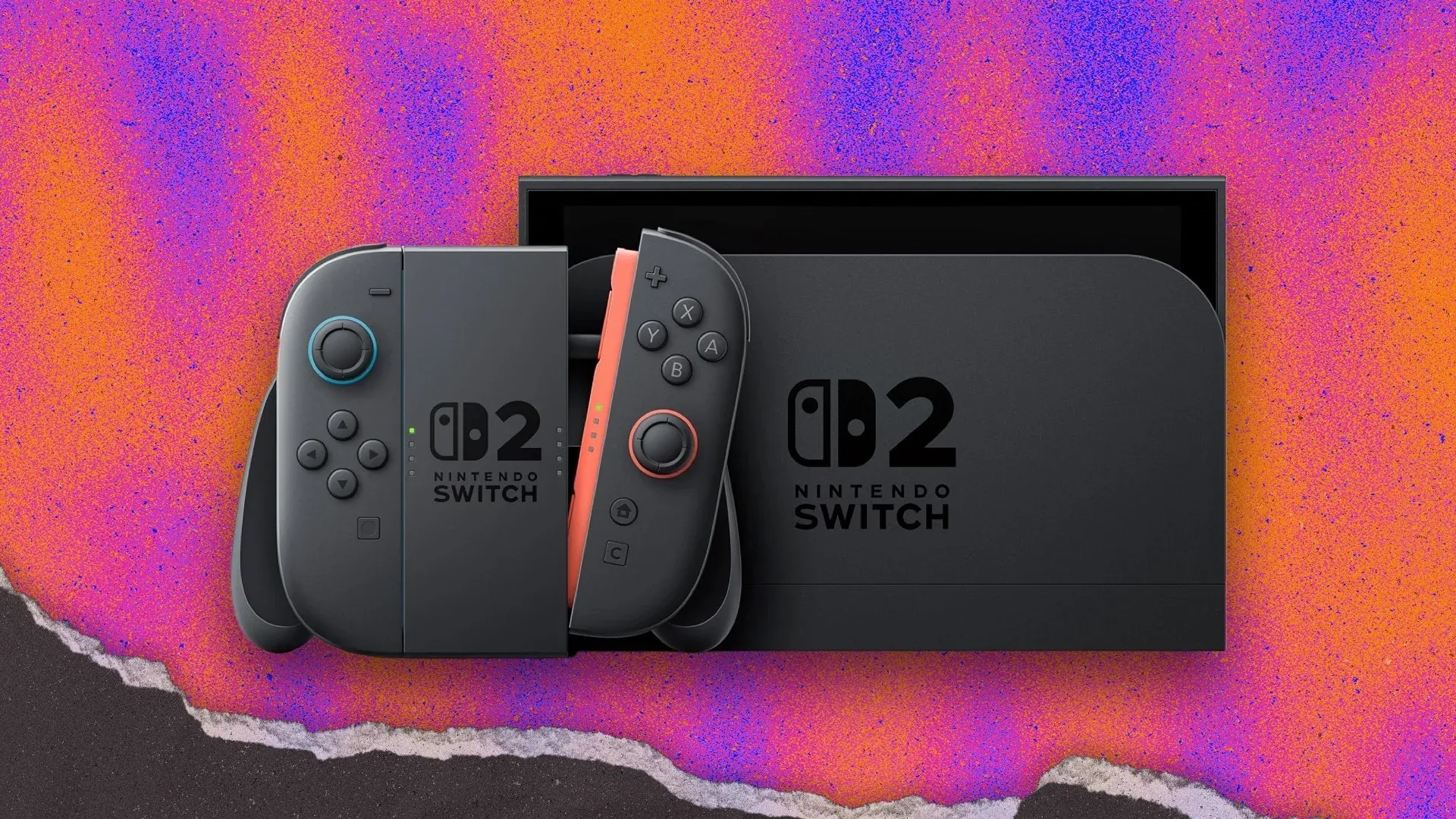
James McWhirter of Omdia has suggested that this could manifest in several ways. For instance, Nintendo might deploy a strategy involving a more affordable Nintendo Switch 2, supplemented by various bundles designed to offer higher perceived value. Beyond tiering, manufacturers may also choose to delay the launch of new hardware entirely. By waiting out the current cycle of rising component costs, companies could potentially secure more favorable manufacturing conditions for future releases.
The era of overlapping console generations
The rising costs of new hardware may also result in a fundamental shift in how console generations transition. Rather than the traditional model where a new system completely replaces the previous one, the industry may move toward a model of coexistence and overlap.
Rhys Elliott at Alinea Analytics anticipates that the PS5 will remain a relevant part of the market well after the PS6 has been launched. This longevity is expected to be supported by the development of cross-generation games, which allow players to remain engaged with current hardware while the industry transitions to the next phase. According to Elliott, "The next generation won’t replace this one so much as sit on top of it."