How was the worst graphical effect determined?
The determination of the most disliked visual effect was the result of a structured knockout tournament designed to pit various graphical enhancements against one another. Rather than a simple single-question poll, the process utilized a competitive format where effects faced off in successive rounds. Each round saw two effects go head to head, and only one made it out to fight another day. This systematic approach ensured that the final result was not merely a reaction to a single prompt, but a reflection of how different effects stack up against each other in the eyes of the public.
This tournament structure allowed for a nuanced comparison of how different visual elements impact the player's perception of quality and immersion. By whittling down the list of candidates through multiple head-to-head matchups, the organizers were able to isolate the specific elements that trigger the strongest negative reactions from the audience. Instead of asking players to rank a long list of effects simultaneously—which can lead to voter fatigue or confusion—the tournament forced a direct choice between two specific visual styles, ensuring that every vote contributed to a clear hierarchy of preference and dislike.
The Tournament Structure
The tournament functioned similarly to a sports bracket, where two effects would be presented to the community, and voters would choose which one they preferred—or, conversely, which one they found more tolerable. This method prevents the bias often found in broad surveys where players might vote against a single effect without considering how it compares to others. By forcing a direct comparison, the tournament provided a clearer picture of relative player sentiment, allowing the most polarizing effects to rise to the top.
As the competition progressed, the pool of candidates shrank, increasing the stakes for each subsequent matchup. The process was designed to be a fierce battle of public opinion, moving through various stages of elimination until only the most contentious visual elements remained. This high-stakes environment ensured that the final contenders were those that truly divided the community, providing a rigorous test for each graphical effect involved.
What was the final result of the tournament?
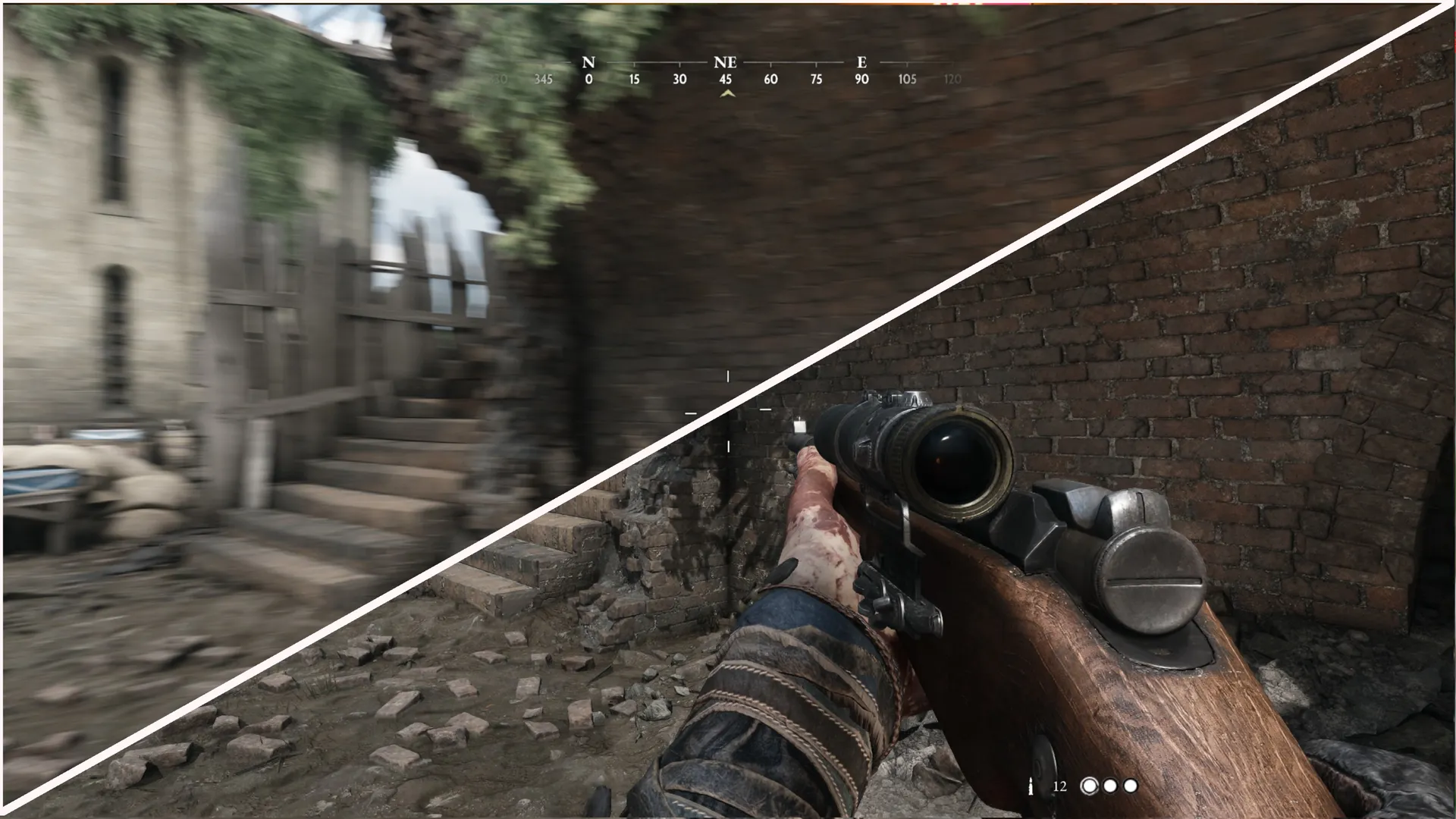
Motion blur in games was declared the winner of the "worst effect" title by an absolute landslide. The final stage of the competition saw motion blur face off against chromatic aberration, another frequently criticized visual phenomenon. After a massive influx of community participation, the results confirmed that motion blur is the effect that players find most objectionable.
The scale of the consensus is significant, driven by a total of 7,000 votes cast throughout the duration of the tournament. This high level of engagement suggests that the frustration surrounding motion blur is not limited to a vocal minority but is a widespread sentiment across the broader gaming demographic. The landslide victory indicates a clear preference for visual clarity over the simulated cinematic motion that developers often attempt to achieve with this effect. When faced with a choice between the two most disliked effects, the community's rejection of motion blur was overwhelming.
How does motion blur compare to chromatic aberration?
The final showdown between motion blur and chromatic aberration highlighted the specific reasons why certain effects fail to meet player expectations. While both effects are often implemented to increase realism or simulate camera lenses, they affect the player experience in fundamentally different ways.
Chromatic aberration—the fringing of colors at the edges of objects to simulate lens imperfection—is often viewed as a subtle nuisance. It creates a sense of organic imperfection that can feel "filmic," even if it is technically a distortion of the image. In contrast, motion blur directly impacts the ability to track movement and maintain visual focus during high-action sequences. The tournament results suggest that while players may tolerate the slight color distortion of chromatic aberration, the blurring of the image during movement is perceived as a significant barrier to enjoyment and gameplay precision. The distinction between a subtle edge distortion and a pervasive blurring of the entire field of view was a deciding factor in the landslide result.
Visual Clarity vs. Cinematic Realism
The tension between these two effects represents a core conflict in modern game development: the pursuit of cinematic realism versus the requirement for visual clarity. Developers often use motion blur to smooth out frame rate stutters or to mimic the look of real-world cinematography, attempting to bridge the gap between a digital simulation and a filmed movie. However, for many players, especially in competitive or fast-paced genres, this comes at the cost of being able to clearly see the game world during movement.
The tournament results suggest that the community values the sharp, legible imagery of a clean frame over the simulated motion of a camera lens. While cinematic techniques can add a layer of atmosphere, they often do so by sacrificing the very thing players rely on: information. When a player moves their camera quickly, the resulting blur can obscure enemies, terrain, and critical gameplay cues, leading to a disconnect between the player's intent and the visual feedback provided by the game engine.
Why does the gaming community dislike these effects?
The dislike for these graphical effects often stems from how they interfere with the player's direct interaction with the game world. When a visual effect is applied, it is intended to enhance immersion, but if it obscures information or causes physical discomfort, it becomes a hindrance rather than a help.
For many, the issue is one of readability. In modern gaming, where precision is often paramount, any effect that softens edges or smears textures can make it difficult to identify enemies, navigate environments, or time actions correctly. The overwhelming rejection of motion blur in this tournament points to a desire for a more stable and predictable visual experience, where the player's eyes can easily track movement without the interference of artificial blurring. The community's feedback suggests that true immersion comes from a clear, responsive world, not from an artificial layer of photographic imperfection that obscures the action.
Key takeaways
- Motion blur in games was voted as the most disliked graphical effect in a recent tournament.
- The tournament results were finalized after a total of 7,000 votes were cast by the community.
- Motion blur defeated chromatic aberration in a final head-to-head matchup.
- The landslide victory indicates a widespread community preference for visual clarity over simulated motion.
FAQ: Motion blur in games
Which effect was voted the worst in the tournament?
Motion blur was officially declared the worst graphical effect. It won the final round of a knockout tournament against chromatic aberration, securing a landslide victory based on the votes of 7,000 participants.
How many people participated in the voting process?
A total of 7,000 votes were cast throughout the tournament. This high level of participation provided a statistically significant basis for declaring motion blur as the most disliked effect among the gaming community.
What was the runner-up effect in the competition?
Chromatic aberration was the runner-up. It reached the final stage of the knockout tournament, where it faced motion blur in the decisive match to determine which effect was the most unpopular.
Why is motion blur so controversial among players?
Motion blur is controversial because it can interfere with visual clarity and gameplay precision. While intended to add cinematic realism, many players find that it obscures important details during movement, making the game harder to play.
Does the tournament suggest players prefer chromatic aberration?
The results suggest that while players may not love chromatic aberration, they find it significantly more tolerable than motion blur. The landslide victory for motion blur indicates a clear hierarchy of dislike among these visual effects.
Conclusion
The conclusion of the tournament provides a clear mandate from the gaming community regarding visual preferences. By casting 7,000 votes, players have signaled that motion blur in games is the most detrimental graphical effect to their experience, surpassing even chromatic aberration. This finding highlights a fundamental gap between developer intentions for cinematic immersion and the player's need for visual clarity and precision. As game engines continue to evolve, the industry may see a shift toward prioritizing legible, sharp imagery over effects that simulate real-world lens imperfections at the expense of gameplay readability.