Humankind 2 Explains the New Culture and Climate Systems
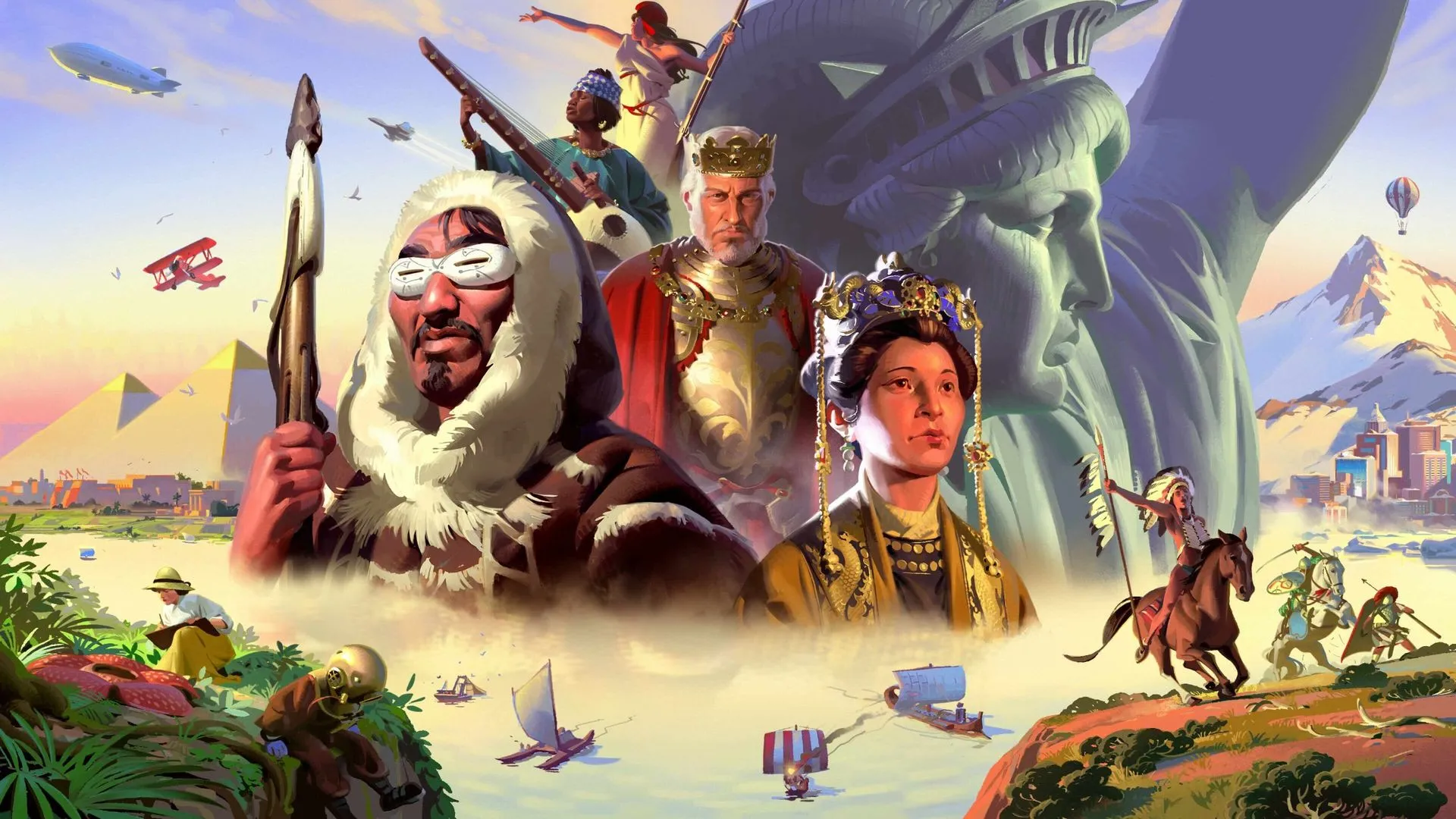
Humankind 2 introduces a reworked culture system tied directly to biomes and shifting climate conditions. A recent hands-off demo showed how starting territories shape founding myths called First Tales, providing early buffs to authority and learning. The preview demonstrated Egyptian factions unlocking adaptations like mudbricks in arid zones, then switching focus after a climate shift brought snow to the pyramids. Amplitude aims to replace monolithic cultures with skill-tree customs that players equip in limited slots. This article examines these new mechanics, their contrast with Civilization 7, and the studio's goals for distinctive factions.
October 19, 2026
3 min read
Source: ASHENVOW
How does the First Tale system shape early gameplay in Humankind 2?
Each starting tribe receives a First Tale connected to its initial territory. These myths deliver immediate bonuses to stats such as authority or learning and modify tile effects plus citizen roles. In the demo a tribe near the Nile began with the Flood Tamer tale, which reduced water consumption and improved water-related production. The mechanic is intended to make factions feel rooted in their environment rather than arriving fully formed. Amplitude stated that different biomes will produce markedly different early strategies across the map.
What adaptations can players unlock for desert biomes?
Ancient Egyptian factions in the demo spent culture points on adaptations including mudbricks, camel herding and heat endurance. These choices allowed the civilization to extract water from arid land and maintain growth despite scarce resources. The studio emphasized that such adaptations create meaningful differences between factions that begin in tundra, forest or brush zones. Players who expand into unfamiliar biomes face clear disadvantages against native inhabitants.
How do climate shifts alter established adaptations?
Climate events modeled on historical periods such as the Medieval Warm Period or Little Ice Age can change biome humidity or aridity. In one demo save, Egyptian territories became covered in snow and ice. The faction then required new adaptations focused on warmth, whaling and long-term storage. Existing bonuses can lose effectiveness, forcing players to invest further culture points to remain competitive.
How has the culture system moved beyond monolithic designs?
Humankind 2 replaces the single building and bonus structure of the first game with tiered customs that players unlock and equip in limited slots. Egyptian options include pharaonic traditions that boost authority or techniques for extracting water from desert tiles. At Crossroads points between eras, players may diverge toward new cultures based on shared history, territory or foreign contact, each option carrying different culture-point costs. The studio listed a total of seventy cultures available at launch.
What production improvements were shown in the demo?
Amplitude highlighted new visual effects and animations, including wonders that assemble progressively upon completion. Load times were reported to remain short even on older hardware. These changes aim to position Humankind 2 as a stronger visual competitor to the Civilization series while preserving the studio's focus on faction identity.
FAQ: Humankind 2
Will climate change affect every biome equally?
The demo indicated that natural and player-driven events can shift any biome toward greater aridity or humidity, though the exact frequency and severity remain to be confirmed at release.
How many culture slots are available for customs?
Players equip customs in a limited number of bonus slots that expand over time, encouraging selective choices rather than collecting every available option.
Does Humankind 2 retain the era-based culture switching from the first game?
Yes, but the process now occurs at Crossroads points with costs tied to the type of divergence chosen, making transitions more deliberate than in the predecessor.
Can players trigger extreme climate events deliberately?
The studio mentioned the theoretical possibility of actions that render the planet arid, benefiting desert-adapted factions at the expense of others.
When is the release date for Humankind 2?
Amplitude stated that the game is scheduled for release next year, though no specific month was provided in the preview.
Key takeaways
- Humankind 2 links starting tribes to territory-specific First Tales that grant early resource and tile advantages.
- Biome adaptations such as camel herding or heat endurance allow factions to thrive in harsh environments like deserts.
- Dynamic climate events can invalidate existing adaptations and require new investments in warmth or resource preservation.
- The culture system now uses equippable customs in limited slots instead of monolithic bonuses from the first game.
- Seventy cultures are planned, with Crossroads points offering paid or free paths to new cultural identities.
- Improved animations and shorter load times were demonstrated to strengthen the game's presentation.
Conclusion
Amplitude is addressing feedback from the first Humankind while responding to changes in the broader 4X landscape. By tying culture progression to biomes and climate, the studio seeks to create factions that feel materially distinct rather than cosmetically different. The preview suggests these systems could produce varied sessions and strategic depth, though full evaluation awaits the 2027 release. The emphasis on production polish also signals an intent to compete more directly with established series on visual and technical grounds.