Dave Oshry explains New Blood's no-sequel strategy in 2026
Dave Oshry leads New Blood, an independent publisher and developer focused on boomer shooters and other titles. The company chooses to direct profits from hits into fresh projects rather than sequels or spin-offs. This approach has supported releases such as Gloomwood, Fallen Aces and Tenebris Somnia while allowing creator David Szymanski to complete the film Iron Lung. According to Oshry, the absence of shareholders or investors removes pressure to maximise returns through repeated exploitation of existing intellectual property. The model contrasts with larger studios that expand offices or pursue endless extensions of successful games. This article examines the reasoning behind the choices, the examples cited from the wider industry, the effects on creative teams and the outlook for similar independent operations.
October 19, 2026
4 min read
Source: ASHENVOW
Why does New Blood reject the sequel model used by larger studios?
Dave Oshry states that many studios respond to a commercial success by expanding facilities or producing follow-ups and spin-offs. New Blood instead allocates earnings to unrelated new titles. The decision stems from full ownership of the company, which removes external demands for repeated revenue from the same properties. Oshry notes that this freedom permits support for experimental work that might not fit a conventional growth plan.
How does independence shape decisions at New Blood?
Without publishers, shareholders or investors, the studio avoids requirements to enlarge headcount or meet quarterly targets. Oshry explains that control over operations allows selection of projects based on interest rather than projected earnings. The structure keeps the team small and focused on quality over scale. This setup has enabled continued updates to earlier releases such as Dusk and Amid Evil without shifting resources exclusively to extensions.
What specific projects illustrate the approach?
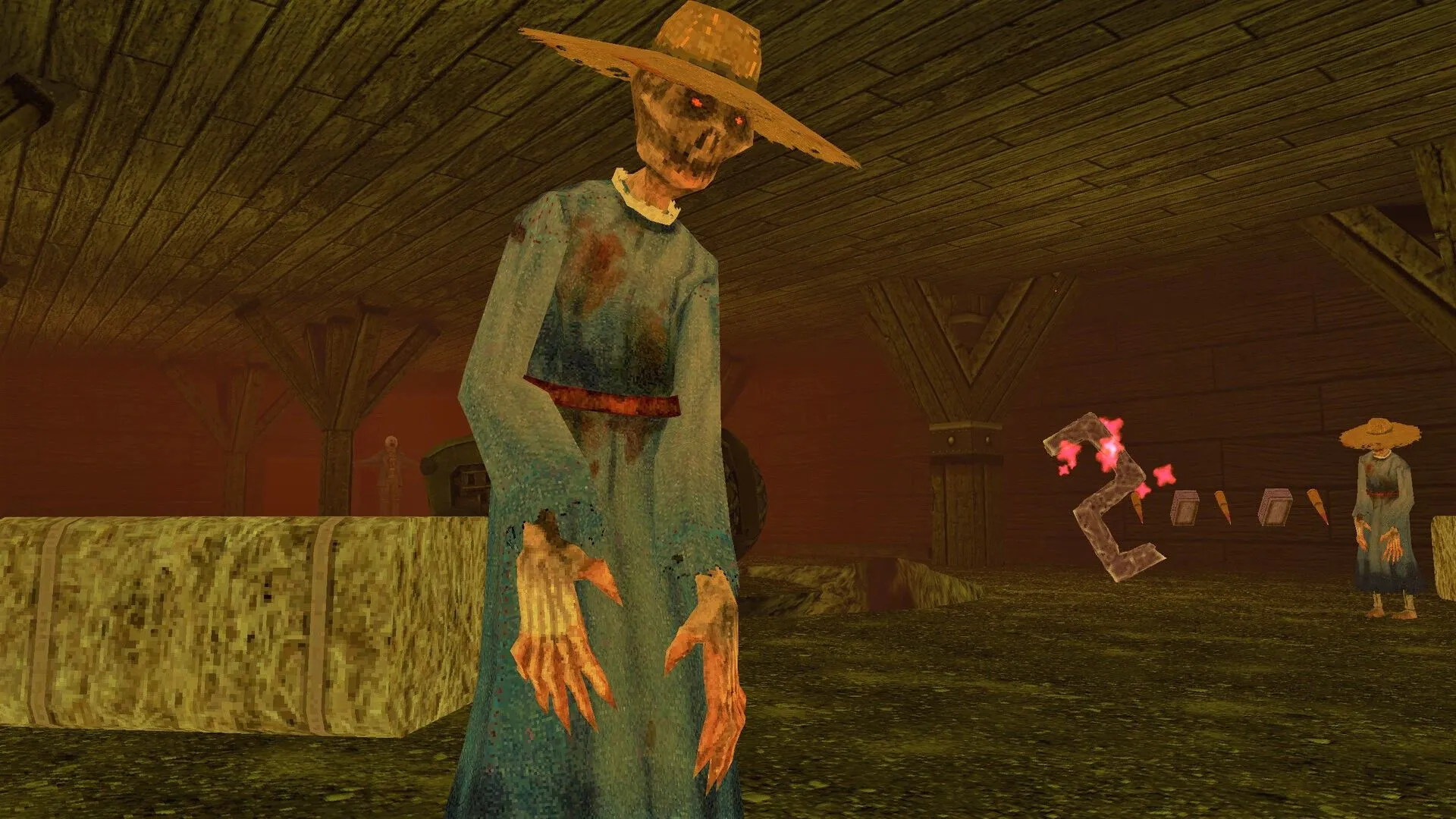
Resources from Ultrakill supported Gloomwood, Fallen Aces and Tenebris Somnia. A Dusk spin-off titled Dungeons of Dusk is also in development by another team. These choices reflect a preference for variety over consolidation of existing series.
What risks does Oshry associate with corporate IP strategies?
Oshry points to the treatment of Heroes of Might and Magic by Ubisoft as an instance of repeated licensing that diluted the original appeal. He also references the Wolverine game as an example of a title altered to satisfy corporate deadlines rather than creative intent. In both cases, the outcome diverged from the vision that originally attracted players. Oshry argues that such pressures can lead to products that fail to satisfy either the developers or the audience.
How does the current industry climate affect developers?
Oshry observes that even successful titles can result in layoffs when overall financial targets are not met. He describes situations where teams spend years on projects that do not align with their original goals, only to face staff reductions afterward. New Blood has avoided these cycles by maintaining a modest size and selecting work that matches the interests of its existing audience. Oshry considers the studio fortunate but attributes part of that position to deliberate choices about scale and direction.
Frequently asked questions
What is New Blood's main alternative to sequels?
The company invests profits from successful games into new and varied projects instead of extensions of existing series. This keeps the focus on fresh ideas while still providing updates to earlier titles when appropriate.
Has New Blood ruled out any further Dusk content?
Conversations about additional episodes or a sequel have occurred, and a spin-off is already in progress through another developer. The emphasis remains on balancing support for existing games with new creative work.
Why does Oshry criticise large-studio practices?
He cites repeated exploitation of intellectual property and corporate interference that can change the direction of a project away from its original intent. These patterns, in his view, contribute to unsustainable conditions for developers.
What role did independence play in the Iron Lung film?
Oshry states that declining to require a Dusk sequel from David Szymanski allowed time for the film project. The resulting movie achieved commercial success that would not have been possible under a stricter sequel mandate.
Does New Blood plan to remain small indefinitely?
Oshry has expressed no interest in building a large studio with hundreds of employees. The current structure supports the decisions he considers beneficial for both the team and the games produced.
Key takeaways
New Blood directs earnings from hits toward new projects rather than sequels or expansions of existing series.
Full ownership allows decisions based on creative interest instead of external financial demands.
Examples from larger publishers show repeated licensing that can reduce the appeal of original intellectual property.
Industry layoffs have affected teams even after commercially successful releases that still failed to meet broader targets.
Continued updates to Dusk and Amid Evil demonstrate ongoing support without exclusive focus on new entries in those series.
A Dusk spin-off and other unrelated titles reflect the preference for variety within a modest operational scale.
Conclusion
New Blood's record shows that an independent structure can sustain a sequence of releases by prioritising new work over repeated exploitation of proven properties. The approach has produced both game updates and opportunities outside gaming, such as the Iron Lung film. In an environment marked by frequent staff reductions at larger companies, the model offers one path that keeps teams intact while matching output to audience preferences. Future results will depend on whether similar studios adopt comparable priorities or face different pressures from their own backers.