What did Dan Houser say about Max Payne 3?
In a recent interview with IGN, Dan Houser, a co-founder of Rockstar Games, offered a candid and self-critical assessment of Max Payne 3. Houser described the game as a "failure," primarily because he felt the project missed the mark established by the original creator. He noted that he is not Sam Lake, the Remedy creative director who wrote the first two Max Payne games, and that the absence of Lake's specific writing style was a significant factor in the game's reception.
Houser explained that while he personally enjoyed the experience, the consensus at the time was that the audience "hated it." He expressed a sense of responsibility for this outcome, stating, "I felt we were creating a really cool digital noir experience, and the consensus at the time was that people hated it. So I got that completely wrong." As one of the primary decision-makers and a writer on the project, Houser admitted, "I failed. My bit was not a success." He acknowledged that while the game was beautifully made, it failed to resonate with the core fanbase in the way the previous entries had, largely because people missed the specific literary voice provided by Sam Lake.
How did Max Payne 3 differ from earlier entries?
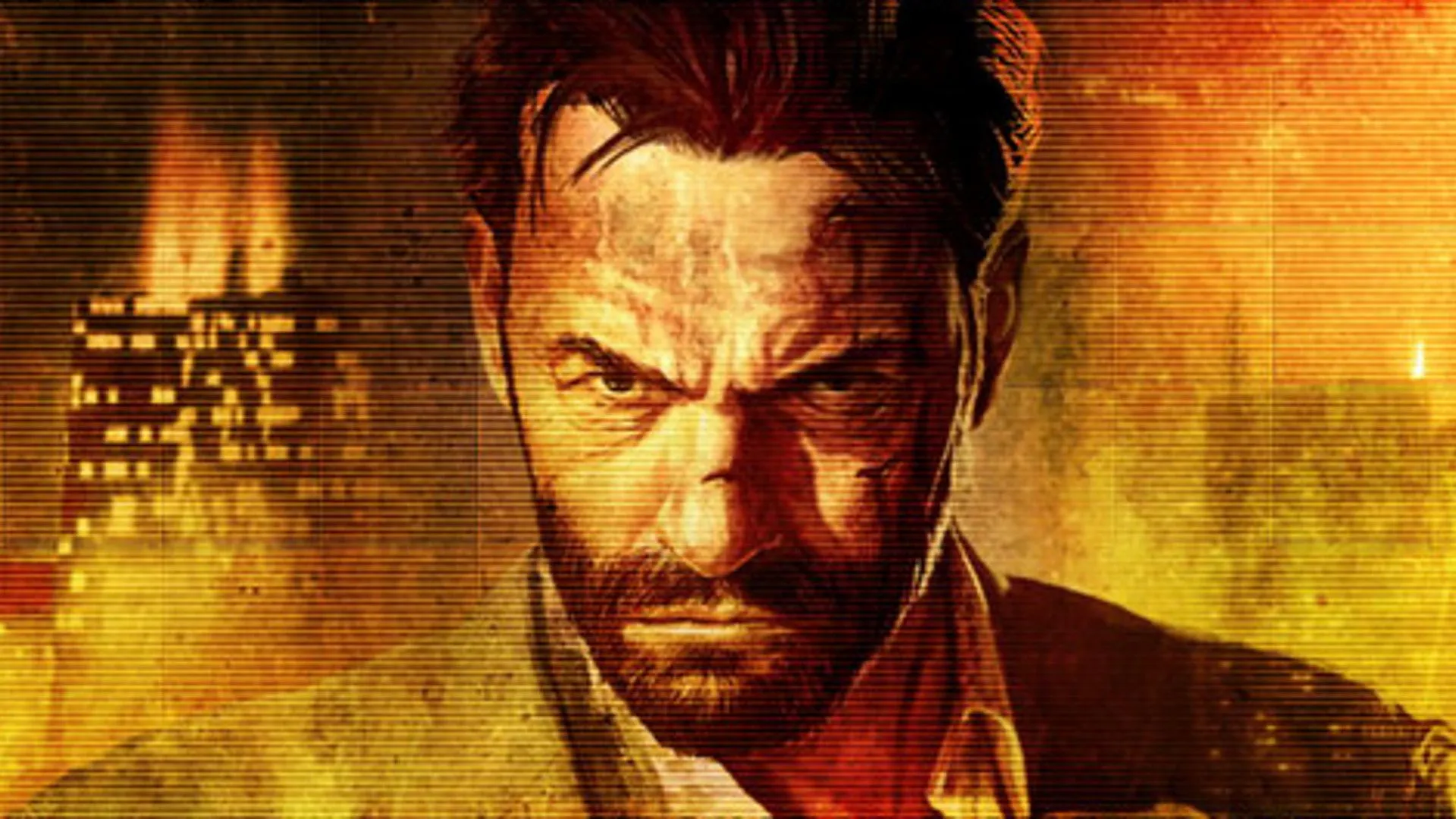
Max Payne 3 represents a significant stylistic and structural pivot for the franchise. While it retained the core pillars that fans expected—such as the gritty atmosphere, intense gunplay, bullet time mechanics, and the character's signature cynical commentary—the execution was distinctly "Rockstar." This shift moved the series away from the established Remedy mould and toward a more polished, cinematic experience.
The game abandoned the traditional settings of the previous titles in favor of a move to Brazil, fundamentally changing the vibe of the series. It adopted a highly linear structure, which stood in stark contrast to the open-world Grand Theft Auto titles that Houser and his team were more accustomed to. This linearity was a deliberate design choice intended to make the game feel like a "12-hour movie." To support this, the production utilized lush cutscenes and a powerful soundtrack composed by the industrial rock group Health. Furthermore, the voice work of James McCaffrey, who returned to play the title role, provided a performance that many argue hit its stride in this installment, delivering lines that emphasized Max's profound isolation and moral ambiguity in a foreign land.
Key design and narrative choices
The development team made several specific technical and aesthetic choices to achieve their vision of a continuous, cinematic noir experience. One of the most notable design elements was the way the game handled transitions; by avoiding the "loads" or traditional loading screens found in many contemporary titles, the developers maintained a sense of unbroken momentum, reinforcing the feeling of watching a film rather than playing a segmented game.
Visually, the game utilized stylized on-screen text to reinforce its noir identity, blending the narrative prose with the gameplay experience. The story itself leaned heavily into the theme of displacement. Max is no longer the king of his New York streets; instead, he is a "dumb American" in a place where he is profoundly unwelcome. This sense of being an outsider is even reflected in his character design, such as his choice to wear a loud Hawaiian shirt while navigating the favelas of Sao Paulo. The narrative explores his decline through gritty, visceral dialogue, such as his reflections on being five thousand miles from home, armed, and drinking in a nightclub he can't stand. These choices were designed to create a specific, albeit divisive, atmosphere that prioritized cinematic flow over the open-ended exploration seen in other Rockstar titles.
What were the commercial results at launch?
From a purely financial perspective, Max Payne 3 did not meet the high expectations set by its publisher. In 2012, Take-Two Interactive reported that sales for the game came in "lower than expected." This shortfall had a direct impact on the company's bottom line, resulting in a significantly increased net loss for that fiscal quarter.
Interestingly, Take-Two's assessment of Max Payne 3's commercial performance mirrored their comments regarding another high-profile title: Spec Ops: The Line. Both games were recognized for their daring and subversive narratives, yet both were noted by the publisher for underperforming commercially at the time of their release. While the exact sales figures were not detailed in subsequent updates, the initial financial report made it clear that the game's reception in the marketplace was a point of concern for the studio, contributing to Houser's personal feeling that the project was a failure.
Why do some critics view the game differently today?
While the commercial data and contemporary consensus may support Houser's self-criticism, retrospective analysis offers a different perspective. Over the last decade, many critics have revisited Max Payne 3, finding that its value lies in the very risks that made it controversial at launch.
Former PC Gamer writer Andy Kelly provided a notable perspective on this shift, noting that as time passed, he developed a "greater appreciation for the risks Rockstar took in breaking Remedy's established, and beloved, mould." Kelly argued that the departure was not a mistake, but a "radical departure" that actually worked. He pointed out that the tension of the game was heightened by thrusting a familiar character into an unfamiliar environment. The contrast of a white American in a Brazilian favela, made even more jarring by his loud attire, served to brilliantly play up Max's status as an outsider. This suggests that what was perceived as a failure of identity at launch may actually be one of the game's most successful narrative and atmospheric achievements.
Frequently asked questions
Did Max Payne 3 sell poorly?
Yes, according to Take-Two Interactive's 2012 reports, sales were "lower than expected," which contributed to a net loss for the quarter.
Was the game a critical failure?
While it was divisive at launch, many retrospective views, including those from critics like Andy Kelly, have praised the game's cinematic risks and its successful departure from the original series' formula.
Who wrote the first two Max Payne games?
The first two entries in the series were written by Sam Lake, the creative director at Remedy Entertainment.
Did Rockstar plan a sequel after Max Payne 3?
There has been no official announcement regarding a fourth mainline entry in the series from Rockstar or Take-Two.
Is Max Payne 3 still available on modern platforms?
The title remains available through digital storefronts on various platforms, including PC and current-generation consoles.
Key takeaways
- Dan Houser characterized Max Payne 3 as a failure in an interview, citing the lack of Sam Lake's writing as a key reason.
- Take-Two Interactive reported that the game's 2012 sales were lower than expected, impacting quarterly profits.
- The game moved away from the Remedy formula, opting for a linear, "12-hour movie" structure set in Brazil.
- Critics have since argued that the game's radical departure from the original series was a successful risk.
- James McCaffrey's performance is frequently cited as a highlight of the game's cinematic delivery.
Conclusion
The debate over Max Payne 3's success depends entirely on how one defines the term. If success is measured by immediate commercial impact and alignment with the existing fanbase's expectations, Dan Houser's assessment holds weight; the game fell short of publisher targets and alienated those seeking the specific Sam Lake-driven experience of the past. However, if success is measured by artistic ambition, technical execution, and long-term critical respect, the narrative changes. By embracing a linear, cinematic structure and leaning into the discomfort of Max's displacement, Rockstar delivered a powerhouse shooter that has aged remarkably well. The passage of time has allowed the game to be judged not as a failed sequel, but as a bold, standalone achievement in digital noir.