Is the Blizzard revival of classic games a sign of cultural change?
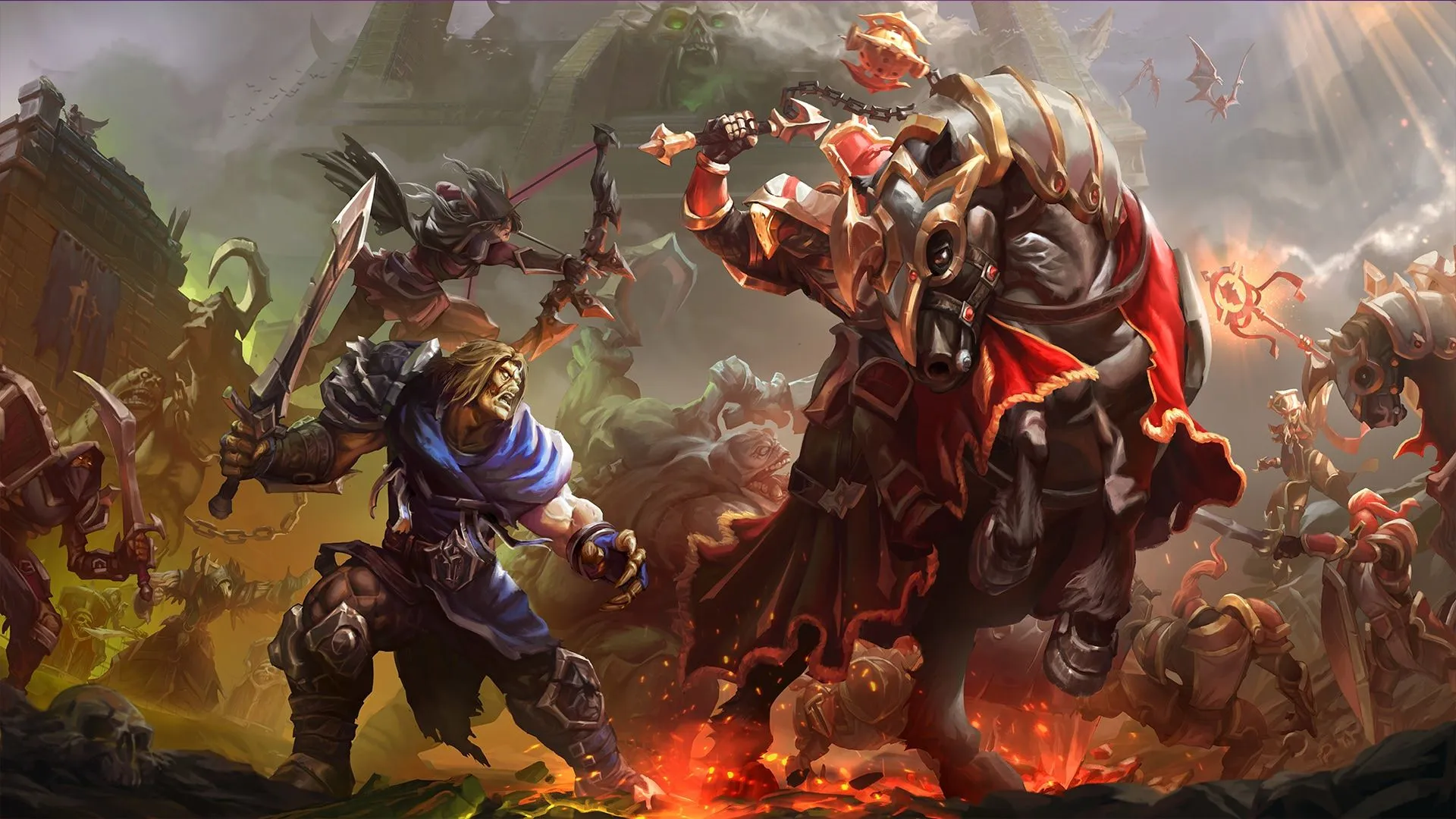
The Blizzard revival of classic games was highlighted by an unexpected emphasis on legacy titles during BlizzCon 2026. While the event featured high-profile reveals such as a new StarCraft universe open-world shooter and Diablo 5, the initial stage presentation focused on Heroes of the Storm. The announcement that the niche MOBA would receive a new playable character, the World of Warcraft antagonist Xal'atath, stood in stark contrast to the heavy-hitting blockbuster reveals that followed.
For many long-term fans, this move felt like an attempt to reclaim the 'old Blizzard' reputation—a company once perceived as having an honorable, almost implicit pact with its community to never abandon a game before its players were ready. Since 2022, Heroes of the Storm has been in a state of bare-bones maintenance mode. By reintroducing active development, Blizzard appears to be testing whether it can still uphold the standard of community loyalty that defined its earlier eras.
The significance of the Heroes of the Storm announcement
The decision to lead the presentation with a Heroes of the Storm update was likely a deliberate choice in sequencing. In an industry where sunsetting underperforming games is standard practice, Blizzard's move to add content to a title that had seen no new heroes in six years sends a specific signal. It suggests a willingness to engage with smaller, dedicated niches rather than focusing solely on massive, high-revenue franchises.
How is Warcraft 3: Reforged recovering from its launch?
Warcraft 3: Reforged is attempting to move past its disastrous 2020 launch through the release of the Forsaken Kingdom DLC. The original release was heavily criticized by the gaming community for subpar graphics, missing multiplayer features, and a general lack of polish. However, the introduction of this full-length campaign during BlizzCon 2026 has provided a much-needed lifeline to the 24-year-old RTS classic.
While the reception has not been entirely seamless, the community response suggests a level of forgiveness that was absent during the initial launch. There are, however, practical hurdles that remain. For instance, the $30 price point for the DLC has caused some sticker shock among players, and certain technical grievances from the original Reforged launch remain difficult to resolve. Despite these issues, the general consensus among both casual story enthusiasts and hardcore PvP players is that the new content is a significant addition to the franchise.
Why is the Diablo series seeing inconsistent legacy support?
The Diablo series demonstrates the limits of Blizzard's current approach to legacy content, particularly regarding Diablo 3. While the franchise is celebrating its 30th anniversary with massive updates for Diablo 1: Resurrected, Diablo: Immortal, and Diablo 4, Diablo 3 has been left in a state of unofficial maintenance mode. This lack of active development is conspicuous given the game's reported millions of active players.
This discrepancy highlights the tension between community desire and corporate logic. From a shareholder perspective, the decision to prioritize resources for Diablo 4 and the upcoming Diablo 5 makes sense to avoid user cannibalization. If players are spending their time and money on the latest entry, there is less incentive for a corporation to fund content for an older title. This stands in contrast to the World of Warcraft ecosystem, which has successfully managed multiple distinct versions of its game simultaneously.
The conflict between profitability and legacy care
The divergence in how Blizzard treats its various franchises suggests that 'care' is not a blanket policy applied to all old games. Instead, it seems to be applied selectively. In the case of Diablo, the massive commercial weight of the current mainline titles likely dictates that older entries receive only the bare minimum of support. This creates a landscape where some fans feel supported by the revival of their favorite titles, while others feel their investments are being phased out in favor of the next big revenue driver.
What drives the decision to support older titles?
The motivations behind these decisions remain a subject of intense debate, oscillating between cynical financial analysis and optimistic cultural observation. A purely cynical view suggests that Blizzard's support for games like Heroes of the Storm or Warcraft 3: Reforged is simply the result of a cost-benefit analysis. Under this lens, any content released is merely a project that passed a specific financial threshold, rather than a move to win back community trust.
However, there is an alternative interpretation. It is difficult to argue that adding a single hero to a niche MOBA is a high-profit-maximizing investment. Instead, these moves may represent opportunities for developers with deep personal affinities for these franchises to exert influence. When these developers are given the chance, they can act as the 'good guys' in the eyes of the fans, providing the 'oxygen' that keeps older communities alive.
Ultimately, the 'old Blizzard'—the entity characterized by a specific brand of creativity and virtue—may never truly return. The company has undoubtedly become more corporate under Microsoft's ownership. Yet, the recent trend of reviving legacy content suggests that the core of the company still possesses the capacity to value its history and the players who helped build it.
Key takeaways
- BlizzCon 2026 featured unexpected support for legacy titles like Heroes of the Storm.
- Warcraft 3: Reforged received the Forsaken Kingdom DLC to address past launch failures.
- Diablo 3 remains in maintenance mode despite the series' 30th-anniversary celebrations.
- Legacy support appears to be driven by specific developer passion rather than company-wide mandates.
FAQ: Blizzard legacy game revival
Is Blizzard officially returning to its 'old' ways?
Not exactly. While the recent support for older games like Heroes of the Storm suggests a renewed interest in community loyalty, the company remains a large, corporate subsidiary. The 'old Blizzard' may be a nostalgic ideal, but current actions show a more selective, project-based approach to legacy support.
What is the new content for Warcraft 3: Reforged?
The new content is a full-length DLC campaign titled Forsaken Kingdom. Released during BlizzCon 2026, it aims to add value to the title following its difficult 2020 launch, though players have noted some concerns regarding the $30 price point.
Why is Diablo 3 being ignored compared to other Diablo games?
The lack of content for Diablo 3 is likely due to resource allocation. Blizzard is currently focusing its development efforts on Diablo 4 and the upcoming Diablo 5 to maximize revenue and prevent the newer titles from competing with the older ones.
Does the Heroes of the Storm update mean the game is fully back?
It does not guarantee a full return to glory. Developers have emphasized 'sustainability' rather than a massive relaunch. While the addition of Xal'atath is a significant step, there are currently no long-term roadmaps for the game.
Will Blizzard continue to support older games?
It depends on the specific franchise and the developers involved. Support seems to occur when developers with a passion for a specific game are given the opportunity to create content, rather than as a standard corporate policy for all legacy titles.
Conclusion
The Blizzard revival of classic games presents a nuanced picture of a company in transition. While the massive scale of new projects like Diablo 5 dominates the headlines, the quiet resurgence of titles like Heroes of the Storm and Warcraft 3: Reforged offers a glimmer of hope for long-term fans. These moves do not signal a total return to the company's former identity, but they do suggest that the passion of individual developers can still pierce through corporate priorities. For many players, this occasional breath of fresh air is enough to maintain their connection to the Blizzard legacy.