
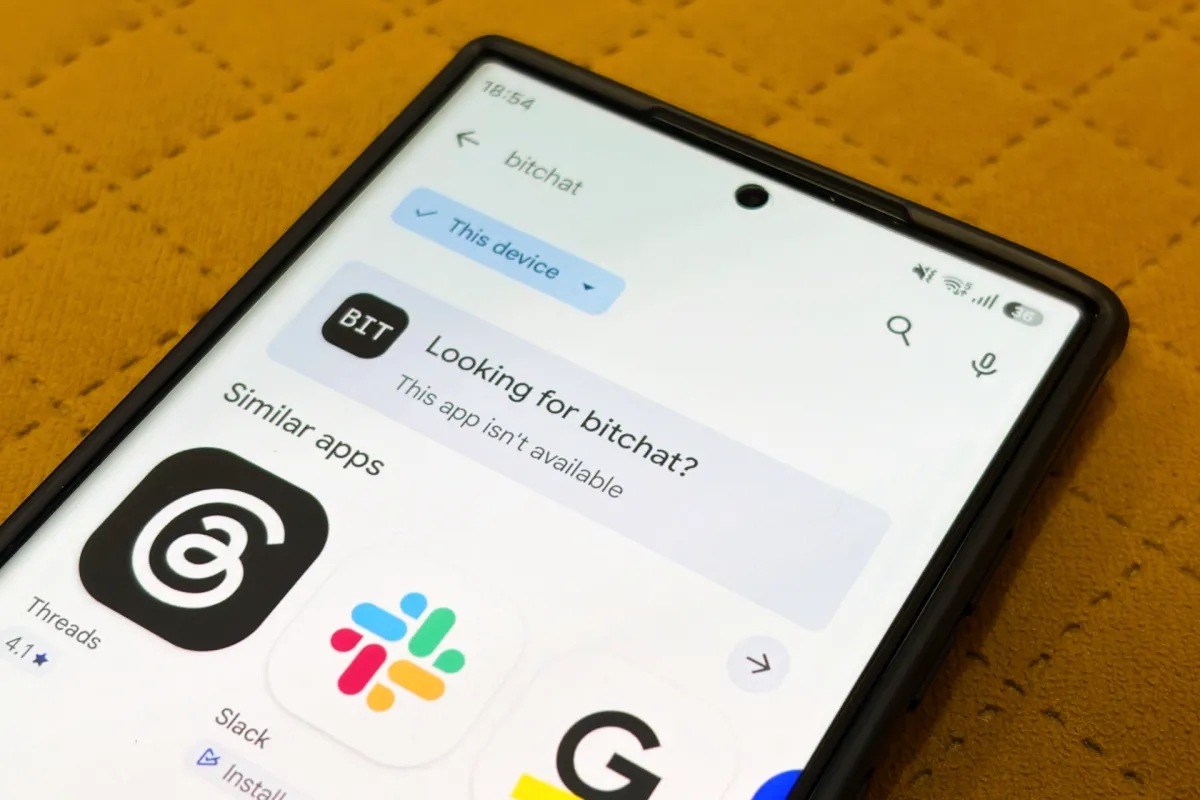
Why was the Bitchat app removed from Indian app stores?
The removal of Bitchat from major digital storefronts in India was triggered by a direct mandate from the Indian government. According to a notice shared by Jack Dorsey on X, Apple was instructed to delist the application from its App Store within the country. This action follows months of escalating tension between New Delhi and the developers of the open-source software.
The Ministry of Electronics and Information Technology invoked Section 69A of the Information Technology Act to enforce this restriction. This specific legal provision is the primary mechanism used by the Indian government to order the blocking of online content and services. While Apple confirmed that Bitchat remains available on its App Store in other global regions, the restriction extends to the TestFlight beta-testing platform, effectively cutting off new users and testers within Indian borders.
Simultaneously, Bitchat has disappeared from Google Play in India. Reports also indicate that the app's official website has become inaccessible across various local internet service providers. While it remains unclear if Google and ISPs received explicit, separate directives, the widespread unavailability suggests a coordinated enforcement of the government's decision to restrict the platform's reach.
How does Bitchat's technology bypass traditional internet constraints?
Bitchat operates using a decentralized architecture that distinguishes it from standard messaging platforms like WhatsApp or Telegram. Launched in July of the previous year, the application utilizes Bluetooth mesh networking to facilitate communication. This technical design allows nearby devices to exchange encrypted messages directly with one another without requiring a cellular network, a centralized server, or an active internet connection.
This specific functionality is what makes the app a significant tool during periods of digital instability. Because it does not rely on the traditional internet infrastructure, Bitchat remains operational even when authorities implement widespread internet shutdowns. This capability has historically made such decentralized tools highly attractive to users in regions experiencing civil unrest or restricted connectivity.
The technical appeal of mesh networking
The core advantage of Bitchat lies in its peer-to-peer nature. In a standard messaging environment, a message travels from a user to a central server, which then routes it to the recipient. If the central server is blocked or the internet is cut, communication fails. Bitchat circumvents this by turning every smartphone into a node in a local network. By hopping from one device to another via Bluetooth, messages can navigate through a crowd of users to reach their destination, effectively creating a localized, unblockable communication web.
What are the legal justifications provided by the Indian government?
The Indian government has cited concerns regarding law enforcement and national security as the primary reasons for targeting Bitchat. In July 2026, authorities issued orders to GitHub to remove repositories associated with the app's open-source code. The government argued that Bitchat's decentralized architecture creates significant hurdles for law enforcement agencies, as it makes it difficult to intercept communications or trace the identity and location of specific users.
Furthermore, the government highlighted the app's ability to function during internet shutdowns as a point of concern. The legal basis for these actions has shifted over time. The earlier GitHub orders relied on provisions regarding intermediary liability for third-party content, whereas the most recent app store removals utilize Section 69A. This distinction is critical, as Section 69A is specifically designed for blocking access to information deemed a threat to the state or public order.
What is the reaction from digital rights advocates?
Digital rights organizations, most notably the New Delhi-based Internet Freedom Foundation (IFF), have condemned the ban as unconstitutional. The IFF argues that Section 69A is intended to block specific pieces of unlawful information rather than an entire software application based on its technical capacity to operate during internet outages. They contend that the government is using the law to preemptively stifle tools that facilitate communication outside of state control.
A significant point of contention raised by advocates is the lack of transparency surrounding the order. The IFF has pointed out that neither the specific blocking order nor the content deemed illegal—which allegedly serves as the basis for the action—has been made public. This lack of disclosure prevents legal challenges from being fully informed and obscures the exact reasoning used to justify the restriction of a decentralized tool.
How does the ban relate to current political unrest in India?
The crackdown on Bitchat coincides with a period of significant social tension and youth-led protests across India. Recent demonstrations in New Delhi have centered on allegations of voter roll manipulation, with protesters demanding the resignation of the country's chief election commissioner. These protests have occasionally led to direct confrontations with law enforcement, including the detention of several individuals during recent rallies.
The intersection of political protest and decentralized technology was evident during the July 2026 unrest. When authorities suspended internet services around New Delhi's Jantar Mantar for a 12-hour period on a Friday, demonstrators reportedly turned to Bitchat and other similar applications, such as Briar, to maintain communication. This usage pattern directly correlates with the massive surge in Bitchat's popularity in the region.
Market impact and user adoption trends
The demand for Bitchat in India saw an unprecedented spike shortly before the restrictions were implemented. According to data from market intelligence firm Sensor Tower, India accounted for approximately 85% of the app's total global downloads between July 17 and July 23, 2026. This represents a massive increase from the roughly 1% of global downloads the country accounted for in the preceding 30-day period. This rapid adoption underscores the app's utility as a workaround for connectivity issues during times of social volatility.
Frequently asked questions
What is the main technical feature of Bitchat?
Bitchat uses Bluetooth mesh networking to allow devices to exchange encrypted messages without needing the internet, cellular data, or centralized servers. This makes it a decentralized messaging tool that functions even during total internet shutdowns, relying instead on peer-to-peer connections between nearby smartphones.
Under which law was the app banned in India?
The Indian government issued the removal order under Section 69A of the Information Technology Act. This specific provision allows the government to direct intermediaries, such as Apple and Google, to block access to information or services that are deemed a threat to national security or public order.
Why did the government target Bitchat specifically?
Authorities stated that Bitchat's architecture makes it difficult for law enforcement to intercept communications or trace users. Additionally, the government expressed concern over the app's ability to remain operational during internet shutdowns, which can hinder the state's ability to manage communications during periods of unrest.
Is Bitchat still available outside of India?
Yes, Bitchat remains available on the Apple App Store and other platforms in countries outside of India. The current restrictions are localized to the Indian market, affecting both the standard app store downloads and the TestFlight beta-testing service within the country.
How did Bitchat's popularity change in India?
Bitchat saw a massive surge in Indian users in July 2026. Data from Sensor Tower shows that India's share of global downloads jumped from approximately 1% to 85% during the week of July 17 to July 23, driven by the need for alternative communication tools.
Key takeaways
- The Bitchat app has been removed from Apple and Google stores in India under Section 69A.
- Bitchat uses Bluetooth mesh networking to enable communication without internet or cellular access.
- India accounted for 85% of Bitchat's global downloads in late July 2026.
- Digital rights groups like the IFF argue the ban is unconstitutional and lacks transparency.
- The government cites difficulties in intercepting encrypted, decentralized communications as a primary concern.
Conclusion
The removal of Bitchat from the Indian digital ecosystem marks a significant escalation in the tension between decentralized technology and state regulatory authority. By utilizing Section 69A to target an app that bypasses traditional internet infrastructure, the Indian government has signaled a low tolerance for tools that facilitate unmonitored communication, particularly during periods of social unrest. While the move aims to enhance law enforcement capabilities, it has sparked a fierce debate regarding digital rights and the constitutionality of blocking entire platforms. As decentralized protocols continue to evolve, the legal battle over their right to exist in regulated markets will likely intensify.




