
Achieving creative visions through Drakengard
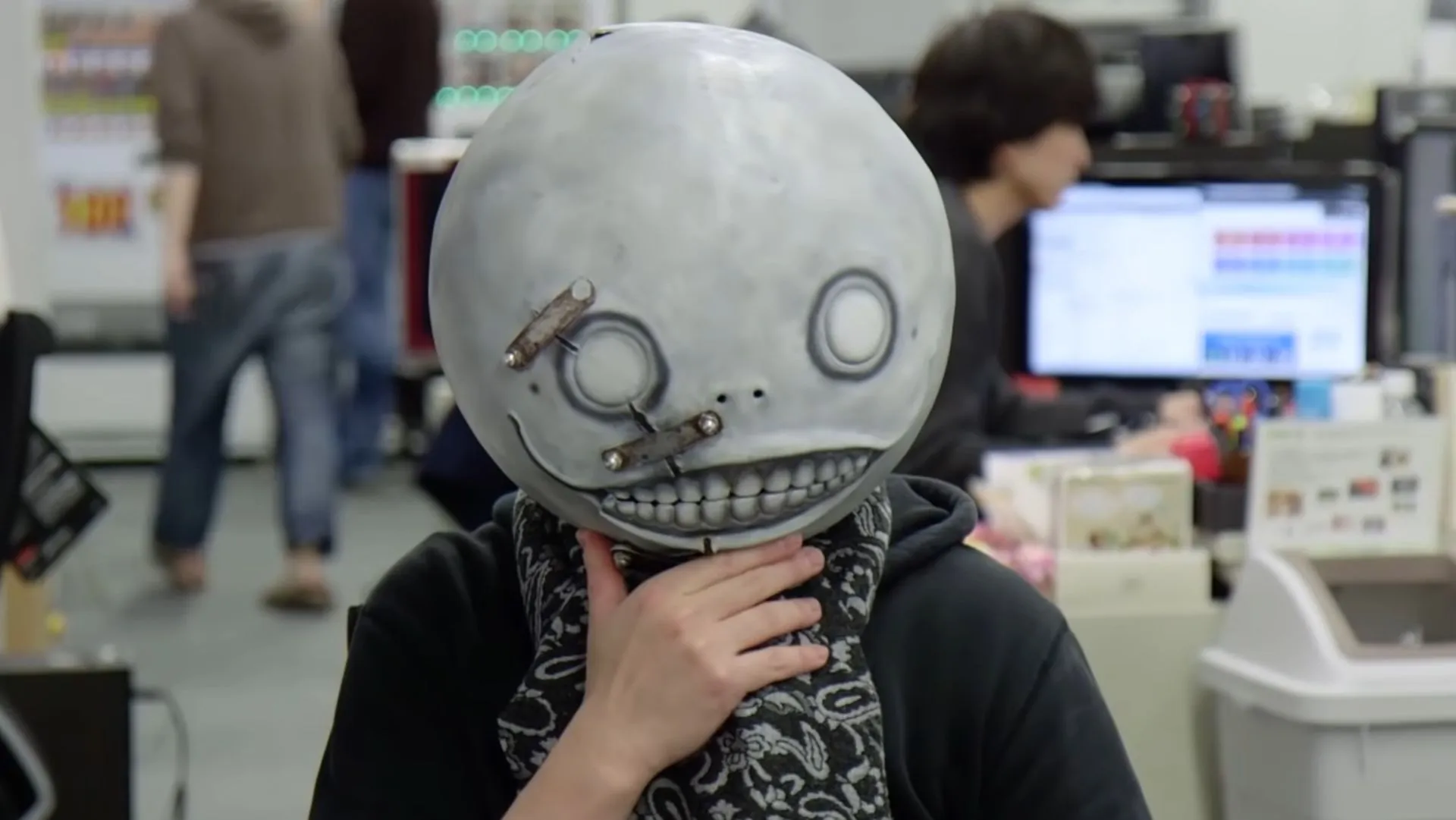
Yoko Taro considers his primary professional objectives to have been met much earlier than most industry veterans might expect. During a recent appearance at the Tokyo French Institute, the director shared that his fundamental goals as a creator were fulfilled during his early career. According to a report from Denfaminicogamer via IGN, Taro noted that his first major opportunity to direct, Drakengard, allowed him to execute his creative vision almost exactly as he had envisioned it.
For a developer who identifies deeply as a "game otaku," the ultimate milestone is the successful release of a project that matches a long-held internal vision. Taro explained that having reached this point, he views his subsequent work as the "remainder" of his life rather than a pursuit of new, unfulfilled dreams. This perspective distinguishes him from many contemporaries who are constantly chasing the next breakthrough or industry accolade.
This sense of completion does not imply a lack of passion, but rather a shift in how he perceives his purpose. Having already crossed the threshold of creating what he truly wanted to see in the world, his current involvement in the industry is driven by different, less ambitious motivations than his early career milestones.
Motivations for staying in game development
Despite having reached his creative peak, Yoko Taro continues to participate in the game development process for reasons that blend practical and cognitive benefits. While he has indicated that financial stability is not a driving force for his continued work, he remains wary of the mental decline that might accompany total inactivity. He humorously suggested that staying active in the industry is "good for preventing dementia."
While the literal interpretation of this statement may be lighthearted, it highlights a genuine concern regarding mental health and engagement. Taro expressed a fear that a sudden shift into idleness could lead to a degradation of his mental well-being. By maintaining a professional routine, he ensures a level of cognitive stimulation that total retirement might lack.
Furthermore, his continued presence in the industry allows him to navigate the changing landscape of game design. He has acknowledged the pressure of the evolving market, expressing a desire to avoid the intense competition brought by younger generations who utilize AI-assisted tools. This combination of cognitive maintenance and professional curiosity keeps him engaged even as he considers the possibility of stepping away from the spotlight.
The philosophy of filling industry gaps
Taro's approach to game design is defined by a specific strategy of "filling in the gaps" left by other creators. Rather than attempting to compete directly with masterpieces in established genres, he seeks out niches that have not yet been perfected. He cited titles like Ico and Ikaruga as examples of games so flawless that he felt there was no need for him to attempt to recreate their specific magic.
This method is not born of professional jealousy, but rather a calculated respect for the pioneers who have already mastered certain aesthetics. Taro noted that his own games often feel "crude" or contain "terrible things" because the most beautiful and perfect aspects of gaming have already been claimed by previous generations. By focusing on these remaining gaps, he finds a unique space for his idiosyncratic style.
This "gap-filling" mindset has allowed him to carve out a distinct identity within the industry. Instead of striving for perfection in a crowded field, he embraces the imperfections and the strange, often dark themes that define his work. This allows him to contribute something original to the medium without needing to overshadow the foundational works that inspired him.
Frequently Asked Questions
Has Yoko Taro officially retired from game development?
No, Yoko Taro has not officially retired. While he has stated that he has achieved his career dreams and has considered retirement, he continues to work in the industry. He views his current projects as a way to maintain his mental health and avoid the risks of idleness.
What was the most significant milestone in Taro's career?
According to Taro, directing Drakengard was his most significant achievement. He stated that this project allowed him to realize his creative vision almost entirely, which he considers the ultimate dream for a game otaku. Everything he has done since then is considered the remainder of his career.
How does Yoko Taro view competition in the gaming industry?
Taro views competition through a lens of finding unoccupied niches. He prefers to avoid competing with "perfect" games or genres already mastered by others. Instead, he seeks to fill the gaps left behind, creating games that embrace a different, perhaps more crude, aesthetic than his predecessors.
The future of a unique creative voice
Yoko Taro's perspective offers a rare look at a creator who has found peace with his legacy. By moving past the need for constant validation and focusing on cognitive engagement and niche exploration, he maintains a unique position in the gaming world. His willingness to embrace the "crude" and the "terrible" ensures that even as he navigates the challenges of a changing, AI-influenced industry, his voice remains distinct. Whether he eventually chooses to step away or continues to fill the gaps, his impact on the medium through works like Nier and Drakengard is already firmly established.




