
How did Yahtzee Croshaw transition from Zero Punctation to Fully Ramblomatic?
The evolution of Yahtzee Croshaw's content is inextricably linked to the dissolution of the HMS Escapist era. When that entity concluded its run, the core contributors migrated to form the YouTube channel Second Wind. This move allowed for the continuation of Croshaw's long-standing tradition of caustic video game analysis under the new banner of Fully Ramblomatic.
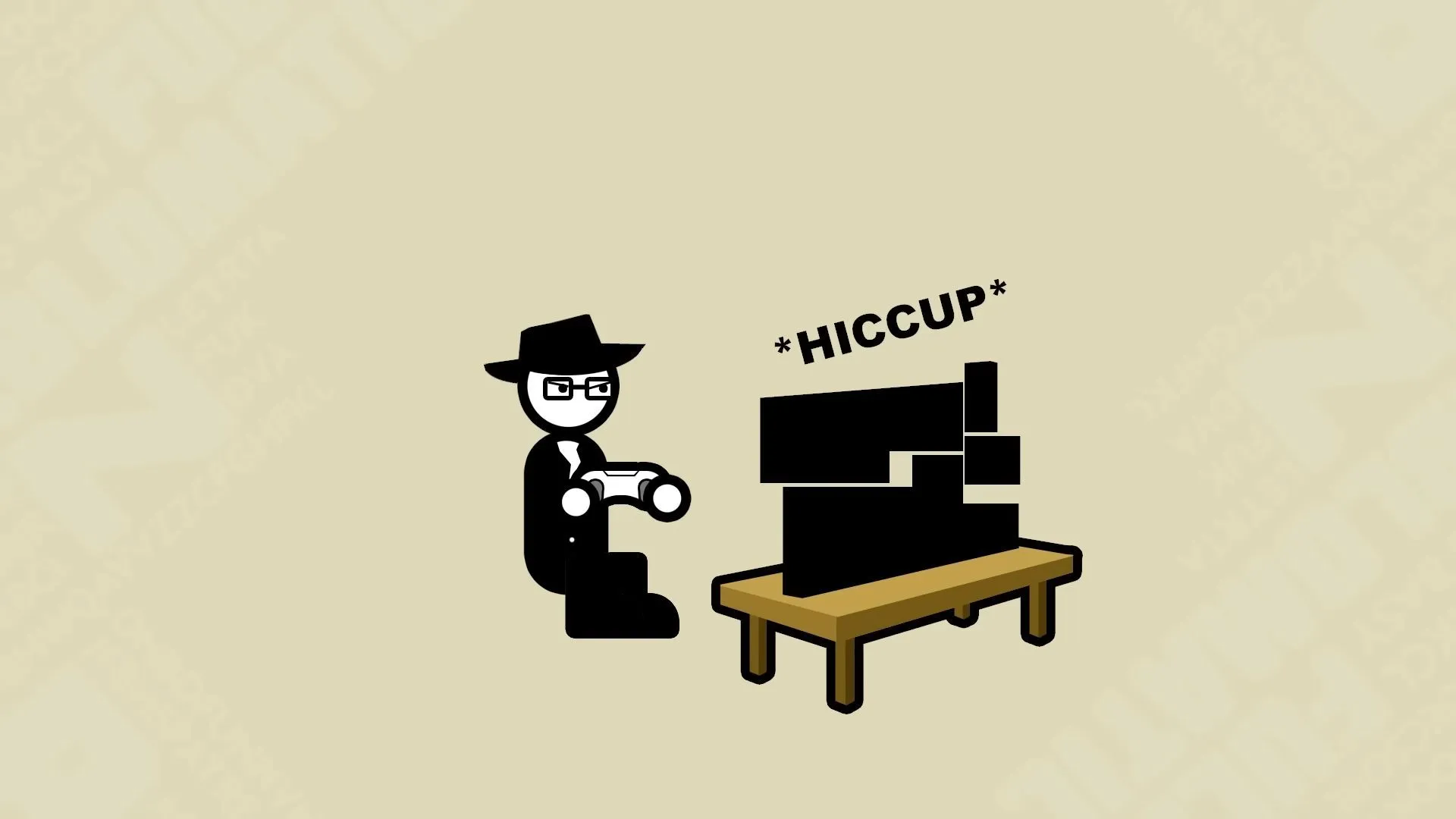
While the aesthetic and personnel have shifted—notably characterized by a change in the visual presentation of the creators, who now wear glasses—the fundamental mission remains unchanged. The transition represents a survival of a specific type of media: the high-effort, personality-driven critique that refuses to soften its edges for the sake of mainstream appeal. Instead of fading into the background of the broader YouTube ecosystem, Croshaw has successfully ported his established voice into a new digital home, ensuring that his unique perspective on the medium remains accessible to his long-term audience. The move to Second Wind signifies a collective effort to continue the essential work of being rude about video games on the internet, preserving a niche that might otherwise have been lost to the shifting tides of digital media.
What defines the unique linguistic style of his criticism?
The hallmark of Croshaw's work is a specific, biting wit that draws heavily from a British tradition of media commentary. This style is not merely about being 'mean' or flippant; rather, it is a demonstration of intellectual effort. In the era of print gaming magazines, the quality of a publication was often judged by the wit found in its screenshot captions. This particularly British tone is something Croshaw's videos share, harkening back to a time when readers would gather around a magazine specifically to find humor in the small details.
To create a metaphor that is both absurd and descriptive requires significant creative labor. For example, his critique of the mechanics in Palworld—where players must navigate frustratingly complex processes to achieve simple goals, such as giving Fauxkémon guns—was described with the vivid imagery of feeling like "a spider in a bowl of Cheerios." This level of linguistic density suggests a deep investment in the subject matter. By refusing to use plain or utilitarian descriptions, he forces the viewer to pay closer attention, turning a simple review into a piece of performative prose. Every episode is full of such descriptions, which are not merely throwaway lines but the result of significant effort to keep the audience engaged.
The relationship between wit and care
There is a common misconception that acerbic criticism implies a lack of passion for the medium. On the contrary, the effort required to craft a witty, scathing critique suggests a profound level of care. When a critic takes the time to find the hundredth way to express a grievance—much like Blackadder finding endless ways to tell Baldrick he is an idiot—they are demonstrating that the game is worth the mental energy required to dissect it. Putting in the effort to make a description witty instead of plain means you are working harder to keep your audience engaged, and doing that for video games suggests you care enough about them to want your audience to actually pay attention.
Why is his positive critique as impactful as his negativity?
While Croshaw is widely recognized for his negativity, his praise carries significant weight because it is as meticulously observed as his vitriol. Because his baseline is a "storm-tossed ocean of negativity," any moment of genuine approval stands out as a significant signal to the viewer. He does not offer empty platitudes; instead, his praise is rooted in structural and mechanical observations that deepen the audience's understanding of a title. When he finds something to like, it is not just a tiny liferaft of positivity; it is a well-reasoned endorsement.
A prime example of this can be seen in his analysis of South Park: The Stick of Truth. Rather than simply stating the game was enjoyable, he observed how the turn-based combat pacing created natural openings for comedic timing. This type of insight moves beyond subjective opinion and into the realm of formal analysis, providing the viewer with a technical reason to appreciate the game's design. This balance ensures that his channel remains a credible source of information rather than just a vehicle for complaints, as his praise is just as well-observed as his critique.
What role does 'disrespect' play in the modern gaming industry?
In a digital landscape saturated with cynicism, there is a growing sense that the video game industry deserves a level of healthy disrespect. Much of modern content is designed to be advertiser-friendly, but Croshaw’s approach challenges this trend by prioritizing honest, unvarnished contempt when a product fails to meet expectations. He embraces a form of disrespect that is communicative and stylized, proving that contempt can be expressed effectively even without traditional gameplay footage.
His method of communication is also notable for its economy of style. He often bypasses the traditional requirement of showing extensive gameplay, opting instead to communicate his disdain through stock images or a recurring catalogue of weird little guys. This stylistic choice reinforces the idea that the critique itself is the primary product. This brand of disrespect acts as a necessary counterweight to the industry, providing a space where games can be held to a standard that demands more than just participation.
FAQ: Yahtzee Croshaw and Gaming Criticism
How did the transition from Zero Punctuation happen?
The transition occurred when the HMS Escapist era ended, leading the creators to form the Second Wind YouTube channel. Under this new umbrella, Croshaw's long-running series continued under the title Fully Ramblomatic, maintaining his signature critical style while adopting a new visual identity.
Is Yahtzee Croshaw's style considered purely cynical?
While his tone is frequently acerbic and negative, his work is characterized by high linguistic effort and careful observation. His critiques are often viewed as a form of deep engagement with gaming, where the wit serves to highlight specific design successes or failures rather than just being mean for the sake of it.
Why does his praise matter more than his criticism?
His praise carries more weight because it is rare and highly specific. Because most of his content focuses on critique, a positive observation is seen as a genuine endorsement of a game's mechanics or pacing, providing much more value to the viewer than standard positive reviews.
What is the significance of the 'British tone' in his work?
The British tone refers to a specific style of wit and sarcasm often found in UK media. This style prioritizes cleverness and linguistic flair, which Croshaw uses to keep audiences engaged and to elevate his reviews from simple opinions to more complex, performative commentary.
Does he always get his critiques right?
No, even long-term followers acknowledge that he can be wrong. For instance, his assessment of Knights of the Old Republic is noted as a point where his critique did not align with the broader consensus, showing that his perspective is a subjective, albeit highly stylized, one.
Key takeaways
- Yahtzee Croshaw transitioned his content from Zero Punctation to Fully Ramblomatic via the Second Wind channel.
- His critical style is defined by high-effort linguistic wit and a distinctively British sense of sarcasm.
- The complexity of his metaphors, such as the 'spider in a bowl of Cheerios,' demonstrates deep engagement.
- His positive reviews are highly valued due to their structural and mechanical depth.
- His brand of 'disrespect' serves as a necessary check against industry trends toward sanitized criticism.
The enduring value of the critic's voice
The longevity of Yahtzee Croshaw's career highlights a fundamental truth about media: audiences crave authenticity, even when that authenticity is uncomfortable. By refusing to conform to the increasingly polished and polite standards of modern influencer culture, Croshaw maintains a unique position in the gaming ecosystem. His work serves as a reminder that criticism is not merely about pointing out flaws, but about the intellectual labor of understanding a medium well enough to challenge it. As the industry continues to evolve, the need for voices that prioritize wit, observation, and unapologetic honesty remains as vital as ever.




