
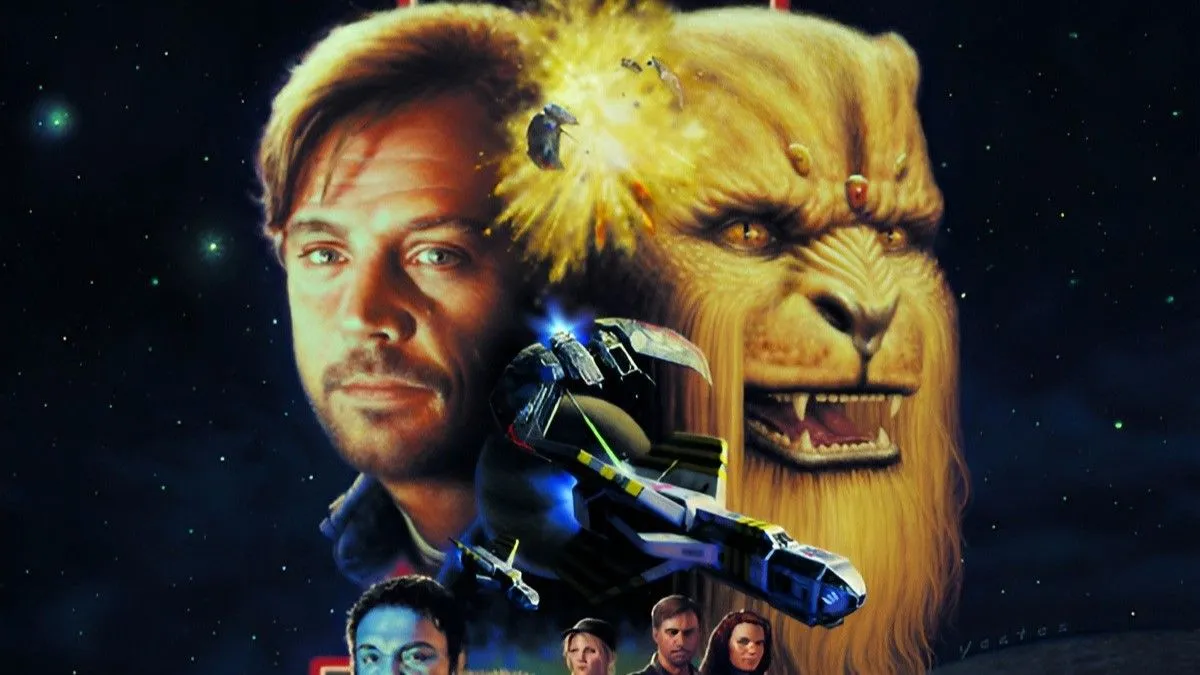
What are the confirmed features of the Wing Commander 3 remaster?
The upcoming release, officially titled Wing Commander 3: Heart of the Tiger—30th Anniversary Edition, promises a significant technical overhaul of the 1994 space combat simulator. According to details shared by EA producer Jim Vessella during a presentation at the Portland Retro Gaming Expo, the remaster will provide both the original source footage and upscaled versions of the game's iconic Full Motion Video (FMV) sequences. This dual approach ensures that players can experience the cinematic narrative in both its intended historical form and a modernized, high-definition capacity.
Beyond visual enhancements, the project includes several quality-of-life and content-driven updates designed to bring the title into the modern era. The remaster is expected to support 60 FPS gameplay to ensure smoother combat sequences, a major departure from the original hardware limitations that often hindered the fluidity of space dogfights. Additionally, Steve Lin, a board member of the Video Game History Foundation, noted in a post on Bluesky that the release will include controller support, making it much more accessible for modern players on various platforms.
The announcement comes at a particularly high-interest time for fans of the genre. Less than 24 hours after Cloud Imperium Games released a new trailer for Star Citizen's single-player spinoff, Squadron 42, the news of a Wing Commander revival has created a significant wave of momentum for space combat enthusiasts. The technical leap from the original 1994 release to a 60 FPS, controller-supported version represents a substantial effort to bridge the gap between retro charm and contemporary playability.
Platform availability and content bundling
The remaster is slated for release on several major digital storefronts, including Steam, GOG, and the EA app. This wide distribution ensures that the title will be available to the vast majority of PC gamers, regardless of their preferred digital ecosystem. A particularly notable feature mentioned in the project slides is the "Kilrathi Saga integration." While the term is concise, its implications for the value of the package are massive.
This integration suggests that the remaster will not function as a mere standalone update of the third entry, but will instead serve as a comprehensive bundle. It is highly probable that this will include Wing Commander 1 and 2 along with their various expansion packs. By bundling these titles, the project transforms from a single-game update into a definitive collection of the early series entries, offering a complete historical overview of the franchise's formative years. This level of content density is rare for modern remasters, which often focus strictly on a single title.
How did the discovery of 600 source tapes enable this project?
The foundation of this remaster lies in a massive archival undertaking led by EA producer Jim Vessella. While digitizing Electronic Arts' extensive video archives, Vessella made a discovery that changed the trajectory of the project: approximately 600 original source tapes containing the FMV recordings used in the original production. This discovery is critical because many early FMV games suffered from significant degradation when transferred to digital formats, often losing the crispness, color accuracy, and fine detail of the original film or video stock.
The ability to access these raw source tapes allows the development team to bypass the limitations of existing, potentially degraded digital copies. By working directly from the original recordings, the restoration team can implement high-quality upscaling techniques that are far more effective than simply applying filters to low-resolution digital files. This process is essential for a game like Wing Commander 3, which was specifically designed to push the boundaries of cinematic storytelling in gaming through its use of high-production-value video.
Without these 600 tapes, the remaster might have been limited to a simple resolution bump of existing files. Instead, the project has the potential to offer a true restoration. The work involves digitizing these historical assets to ensure that the cinematic elements of the game are preserved with a level of fidelity that matches the original intent of the creators, providing a window into 1994 that was previously thought to be lost to time.
Why is the restoration of Wing Commander 3's FMV so significant?
Wing Commander 3 is widely regarded as a milestone in the evolution of narrative-driven gaming due to its sophisticated use of FMV to tell a cohesive, engaging story. Unlike many of its contemporaries, which often used video as a superficial or disjointed addition, this title utilized a stellar voice cast—including Mark Hamill and John Rhys-Davies—to create a cinematic atmosphere that felt genuinely immersive. The restoration of these tapes ensures that these performances and the visual storytelling they support remain intact for a new generation of players.
The importance of this project is underscored by the historical context of the genre. During the mid-1990s, FMV was a high-risk, high-reward medium; if the footage was poor, the immersion was immediately broken. By securing the original tapes, Vessella is effectively preserving a piece of gaming history that would otherwise have been lost to bit rot or poor-quality digital migrations. This level of archival care is rare in the commercial gaming industry, where older assets are frequently discarded or neglected in favor of new IP.
Furthermore, the connection to modern titles adds a layer of significance. Both Mark Hamill and John Rhys-Davies, who provided the voices for the original game, also appear in the upcoming Squadron 42. This creates a direct lineage between the classic era of space combat sims and the modern era, making the restoration of Wing Commander 3 a vital link in the history of the genre.
What does this mean for EA's approach to retro gaming?
The announcement of a Wing Commander 3 remaster marks a surprising shift in Electronic Arts' recent business patterns. Historically, EA has focused its resources on massive, ongoing franchises such as Battlefield and EA Sports FC. The publisher has shown a selective, and sometimes cautious, interest in revisiting its legacy catalog. For instance, while the Dead Space remake was a high-profile attempt to revitalize a classic IP, it did not achieve the commercial success required for EA to greenlight a direct sequel to that remake.
This leads to important questions regarding the nature of the Wing Commander project. It remains unclear whether this is a broader strategic pivot toward legacy content or a specialized passion project spearheaded by Vessella. The fact that a producer was able to leverage an archival discovery into a full-scale anniversary edition suggests a degree of internal flexibility that is not always visible in EA's public-facing corporate strategy. If successful, it could set a precedent for how the publisher handles its deep library of historical assets.
Is this the start of something bigger for EA's retro catalog, or is it an isolated instance of archival success? While the source does not provide a definitive answer, the sheer scale of the Wing Commander 3: Heart of the Tiger—30th Anniversary Edition suggests that the project is being treated with significant weight. Whether it is a passion project or a strategic move, the result is a high-quality revival of a legendary title.
FAQ: Wing Commander 3 Remaster
Which platforms will the remaster be available on?
The Wing Commander 3: Heart of the Tiger—30th Anniversary Edition is confirmed to be released on Steam, GOG, and the EA app. This ensures broad availability across the most popular PC gaming storefronts, catering to both modern users and enthusiasts of digital distribution platforms.
What is included in the Kilrathi Saga integration?
While specific details are still emerging, the Kilrathi Saga integration is expected to bundle Wing Commander 1 and Wing Commander 2 into the package. This likely includes the various expansion packs associated with those titles, providing a complete historical overview of the franchise's early years.
Who are the notable actors involved in the series?
The Wing Commander series is famous for its high-profile voice cast. Wing Commander 3 specifically features Mark Hamill and John Rhys-Davies. Interestingly, both actors are also featured in the upcoming Squadron 42, further linking the legacy of the franchise to modern space combat simulations.
Will the remaster feature modern gameplay improvements?
Yes, the remaster will include several technical upgrades to modernize the experience. These include running the game at 60 FPS for smoother visuals and providing full controller support, allowing players to move away from the keyboard-and-mouse constraints of the original 1994 release.
Why is the title called the 30th Anniversary Edition?
The title "30th Anniversary Edition" is used to celebrate the legacy of the franchise, though it is worth noting a slight discrepancy in timing. Since Wing Commander 3 was originally released in 1994, the game is actually 32 years old, making the "30th" designation a rounded commemorative figure.
Key takeaways
- EA producer Jim Vessella discovered 600 original FMV source tapes during an archival digitization project.
- The remaster is titled Wing Commander 3: Heart of the Tiger—30th Anniversary Edition.
- Features include 60 FPS gameplay, controller support, and upscaled original FMV sequences.
- The release will include Kilrathi Saga integration, likely bundling the first two games and their expansions.
- The game will be available on Steam, GOG, and the EA app.
The future of cinematic space combat
The revival of Wing Commander 3 represents more than just a nostalgic trip; it is a testament to the enduring value of high-quality cinematic storytelling in gaming. By utilizing original archival materials, EA is providing a level of fidelity that respects the original vision of Chris Roberts and his team. As the industry moves toward increasingly complex simulations, the preservation of these foundational titles ensures that the history of the genre is not just remembered, but actively playable in its best possible form.




