
What was the purpose and methodology of the patient-zero drill?
The patient-zero drill was designed to evaluate how effectively healthcare facilities could identify and respond to a patient presenting with symptoms of a potential pandemic-level threat, specifically H5 bird flu. Conducted between January and June 2026, the regional exercise involved 73 healthcare facilities across New York, New Jersey, and the US Virgin Islands. To ensure a realistic test of protocols, researchers employed professional patient actors who simulated specific infectious symptoms.
These actors utilized makeup, eye drops, and petroleum jelly to mimic conjunctivitis, alongside a fake cough and reported feverishness. Crucially, the actors were instructed to provide a specific narrative: they had recently attempted to save a sick duck in a park without wearing gloves, and the bird had subsequently died. This detail was intended to test whether clinical staff would recognize and ask about potential zoonotic (animal-to-human) transmission risks.
The simulation parameters
To pass the assessment, a facility had to fulfill two primary requirements: masking the patient and moving them to an isolation room. While the study established ideal timeframes—masking within one minute and isolation within ten minutes—the baseline passing grade was determined by whether these two actions were performed at all, regardless of the speed of execution. This distinction allowed researchers to separate basic procedural compliance from high-performance emergency response.
How did healthcare facilities perform during the simulation?
The overall results indicated a widespread failure to implement standard infection prevention and control (IPC) measures. Out of the 73 facilities tested, only 44 (60%) successfully completed both the masking and isolation protocols. The performance varied significantly depending on the type of medical setting, suggesting that different environments face unique challenges in rapid response.
| Facility Type | Pass Rate (Masking & Isolation) |
|---|---|
| Emergency Departments | 55% |
| Hospital Outpatient Clinics | 68% |
| Urgent Care Centers | 67% |
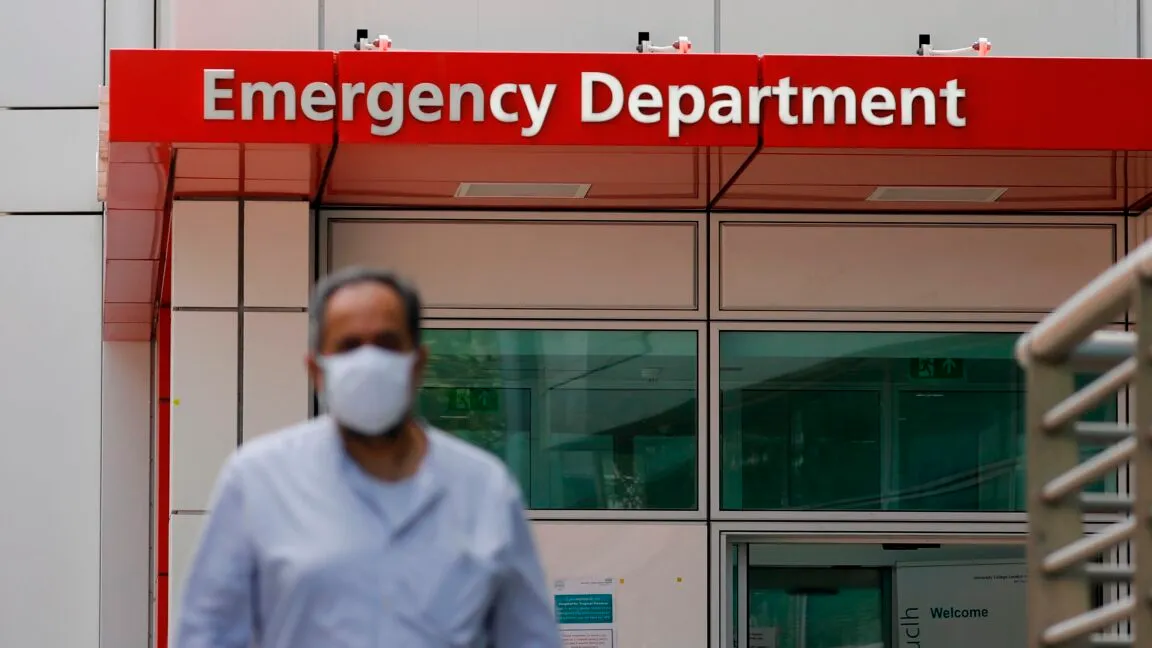
The data reveals that emergency departments, which typically handle acute infectious presentations, were actually the least effective at meeting the basic requirements, with only 55% passing. In contrast, outpatient clinics and urgent care centers showed slightly higher compliance rates, though still failing to reach a majority consensus on preparedness.
Critical failures in masking and isolation
Beyond the binary pass/fail metrics, the speed of response was notably slow. The median time to mask a patient was two minutes, and the median time to reach isolation was 11 minutes. Only 43% of the facilities that successfully masked the patient did so within the one-minute goal, and only 48% achieved isolation within the ten-minute target. Outpatient clinics struggled particularly with speed, showing a median isolation time of 20 minutes, with at least one facility taking nearly an hour to move the simulated patient.
Why were staff unable to identify potential bird flu risks?
A major deficiency identified in the study was the failure of clinicians to ask targeted questions regarding zoonotic exposure. Despite the actors proactively sharing the story of the deceased duck, only seven of the 73 facilities (approximately 9.5%) asked questions specifically related to bird flu or animal contact. While 93% of facilities successfully screened the actors for general symptoms, the failure to probe for the specific source of infection represents a significant breakdown in diagnostic vigilance.
This lack of questioning is particularly concerning for pandemic preparedness, as the early identification of animal-to-human transmission is vital for containing outbreaks. The study noted that the failure to connect the patient's symptoms to their recent animal contact could lead to a delay in implementing the correct high-level precautions necessary for handling highly pathogenic avian influenza.
What were the findings regarding Personal Protective Equipment (PPE)?
The inconsistent use of personal protective equipment (PPE) among clinicians posed a significant risk to staff safety during the drill. The study found that only 25% of interacting clinicians wore the full recommended suite of PPE, which includes gloves, masks, gowns, and eye protection. Conversely, 6% of clinicians wore no protective gear at all, and 19% failed to wear a mask or respirator.
Furthermore, the internal communication protocols designed to protect the facility were frequently ignored. Only 55% of the facilities (40 out of 73) notified or had plans to notify their internal Infection Prevention and Control (IPC) staff as required by standard safety guidelines. The researchers emphasized that waiting areas in healthcare facilities are high-risk zones for the transmission of respiratory viruses if these IPC measures are not strictly enforced.
What are the implications for future pandemic preparedness?
The results of the patient-zero drill suggest that current local-level preparedness is insufficient to handle the initial stages of a pandemic outbreak. The study highlights an urgent need for enhanced training for both healthcare workers and facility staff. Specifically, training must focus on three critical areas: earlier identification of febrile patients, immediate masking, and rapid isolation protocols.
However, the researchers cautioned that these results might actually represent an optimistic view of real-world preparedness. Several factors could have influenced the data in ways that mask even deeper systemic issues:
- Participation Bias: Not all invited facilities agreed to participate; those that declined might have had even lower preparedness levels.
- Awareness Factor: Although the drills were unannounced, some facilities may have received informal warnings, potentially inflating their performance scores.
Addressing these gaps is essential to ensure that the first line of defense—local healthcare providers—can effectively intercept a pathogen before it escalates into a global crisis.
Frequently asked questions
What specific virus was being tested in the drill?
The drill was specifically designed to simulate an H5 bird flu infection. This virus was chosen because of its significant pandemic potential and the specific way it can be transmitted from animals to humans through direct contact.
Which healthcare settings were included in the study?
The study covered 73 different facilities, primarily consisting of emergency departments (42), hospital outpatient clinics (19), and urgent care centers (12). The geographic scope included New York City, New York State, New Jersey, and the US Virgin Islands.
What constitutes a 'pass' in these drills?
To pass, a facility had to perform two specific actions: providing a mask to the patient and moving the patient into an isolation room. While speed is a key metric for ideal response, the basic pass was granted if both actions were completed.
How did staff perform regarding PPE usage?
PPE usage was found to be highly inconsistent. Only 25% of clinicians wore all recommended protective gear, including gloves, masks, gowns, and eye protection. Notably, 19% of staff did not wear a mask or respirator during the interaction.
Did clinicians ask about the source of the infection?
No, most clinicians failed to identify the zoonotic link. Despite the actors telling stories about contact with a sick duck, only seven of the 73 facilities asked specific questions regarding bird flu or animal exposure.
Key takeaways
- Only 60% of the 73 tested healthcare facilities successfully met the basic masking and isolation requirements.
- Emergency departments showed the lowest compliance rate, with only 55% passing the simulation.
- Clinician PPE usage was inadequate, with only 25% wearing the full recommended protective suite.
- Only 9.5% of facilities asked specific questions regarding potential bird flu or animal exposure.
- The median time to isolate a patient was 11 minutes, missing the 10-minute ideal target.
Conclusion
The patient-zero drill serves as a stark warning regarding the vulnerabilities in local healthcare infrastructure. While global pandemic discussions often focus on high-level policy, this study demonstrates that the frontline response—the ability of a local clinic to identify, mask, and isolate a single suspicious patient—is currently unreliable. The high failure rate in emergency departments and the widespread inconsistency in PPE usage suggest that without targeted training and stricter adherence to infection control protocols, the initial stages of a zoonotic outbreak could easily bypass existing safeguards. Strengthening these local response capabilities is a fundamental requirement for preventing future pandemics.
