
Why does Deadlock need more diverse character archetypes?
Deadlock currently relies on a foundational set of classic monsters, including Dracula-style vampires, werewolves, and Frankenstein-inspired creatures. While these provide a strong initial identity, the game's setting—a supernatural version of New York—offers vast potential for more niche occult and cryptozoological figures. Expanding the roster through unique character concepts allows Valve to tap into different gameplay styles and aesthetic niches that haven't been fully explored in the current Hero Labs iterations. The current roster covers broad supernatural strokes, but misses specific legendary creatures that could offer unique movement or combat mechanics. By introducing characters rooted in specific folklore or modern urban legends, the game can deepen its world-building and provide players with more distinct visual identities.
What are the most creative hero concepts for the roster?
Several imaginative ideas could bridge the gap between classic horror and the game's specific urban-occult vibe. These concepts range from whimsical cross-promotions to grim, anti-hero narratives that fit the high-stakes environment of the Ritual. The goal is to move beyond the 'monster mash' tropes and embrace more eccentric, niche, and even politically charged character concepts that make the setting feel lived-in and reactive.
The Summer Mummy and the Minotaur
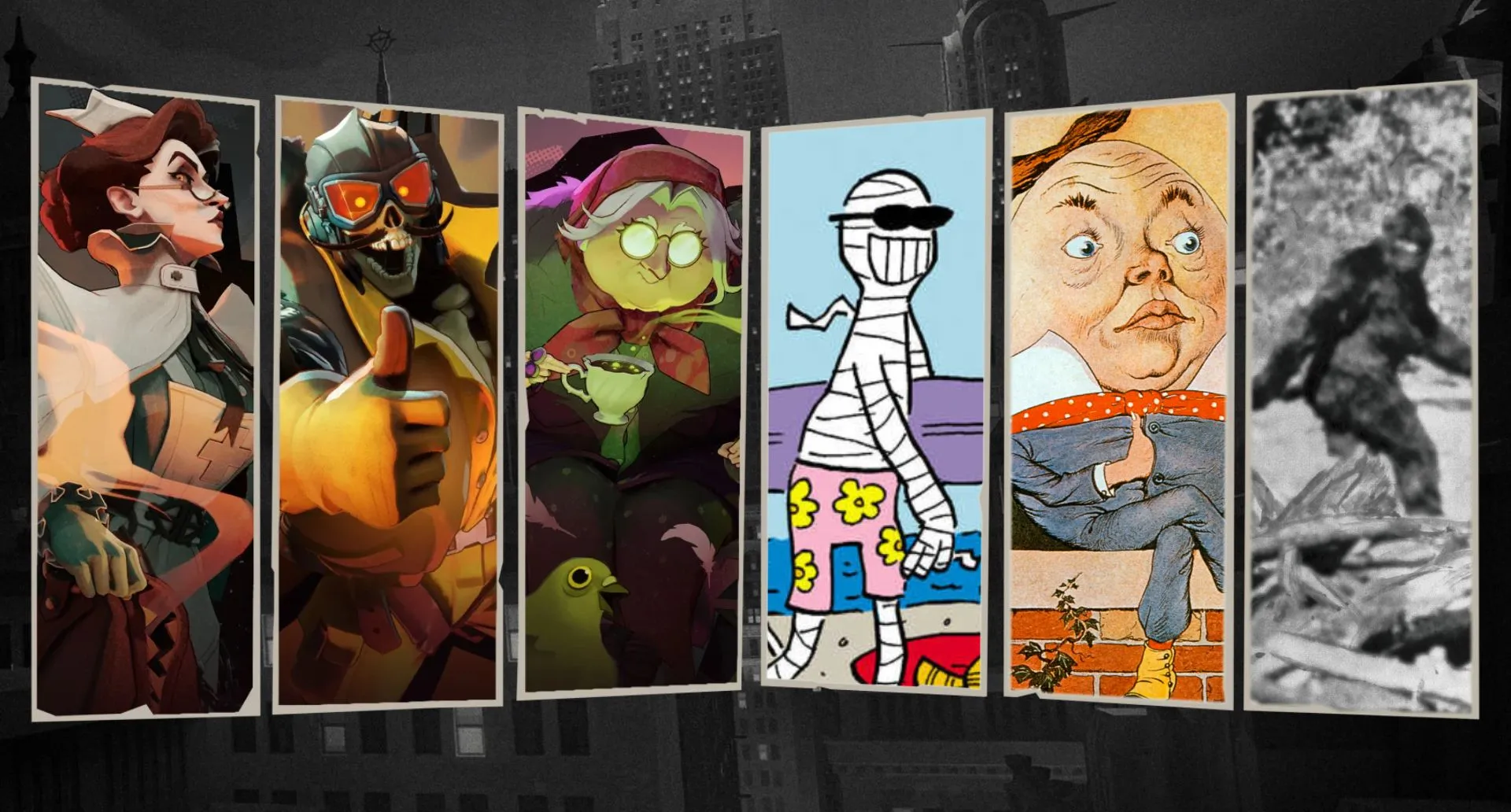
One standout idea involves the 'Summer Mummy,' a concept inspired by the Heathcliff comic strip (the one about the orange cat that isn't Garfield). Unlike a traditional undead revenant, this character would feature a relaxed, chill aesthetic with floral boardshorts, sunglasses, and ice cream—specifically the sand flavor. This presents an incredible cross-promotional opportunity, as many entities are currently trying to tap into the lucrative Heathcliff brand.
Another concept reimagines the mythological Minotaur as a professional baseball player in an old-timey uniform. This hero could utilize a 'bullpen' theme, drawing from the idea that the labyrinth was perhaps the most mythological bullpen of them all. Mechanically, he could throw a 'Daedalian Knuckleball' that follows a nonsense, labyrinthine path through the air, or employ a 'charge the mound' ability to rush opponents. It is the kind of design where the gameplay mechanics and aesthetic themes are inextricably linked.
Nessie Jr. and the Gnome Mafia
Expanding on existing lore, the concept of 'Nessie Jr.'—the precocious preteen child of the Loch Ness Monster—could add a layer of charm to the game. Since Nessie is already established in Deadlock canon, having arrived on Earth through the Bermuda Triangle astral gate, this character would feel like a natural progression. They could even serve as buddies with Rem, Deadlock's adorable sleepspace creature. From a business perspective, Nessie Jr. offers significant microtransaction potential; once Deadlock begins rolling out purchasable skins, players might pay any price to see different fictional licensed properties applied to a character lunchbox skin.
Additionally, a 'Gnome Mafia' concept—three gnomes operating in unison under a single trench coat—could introduce a unique, small-scale combat style. While the concept is simple, the idea of a 'Cosa Gnomestra' with little guns tucked under their coats provides a humorous yet dangerous addition to the urban landscape.
How could unconventional creatures impact gameplay?
Non-traditional monsters can introduce mechanics that differ significantly from the standard human or humanoid combatants currently present in the game. These ideas focus on altering how players interact with the environment and the battlefield, moving away from traditional shooting toward more specialized movement and combat styles.
Armor, Spiders, and the Broken Egg
A haunted suit of armor functioning as a prize fighter could provide a high-intensity, melee-focused gameplay experience. To fit the Deadlock aesthetic, this plate armor prize fighter could sport cartoonishly big boxing shorts and gloves, playing like a third-person MOBA-shooter equivalent of Little Mac. This distinguishes the character from existing fighters like Lash or Bebop.
For players seeking a more predatory style, a 'Full Spider' concept would move away from the unreleased spider-themed hero seen in Hero Labs to go 'full spider.' This character would walk on all surfaces and utilize eight different weapons—one for each limb. Perhaps most narratively complex is the 'Humpty Dumpty' concept: a grim anti-hero who has survived a catastrophic fall and now fights in the Ritual. Rather than seeking to restore his own broken form, he fights to create a world for other 'shattered' eggs like himself. He could potentially use rolling attacks to navigate the map, adding a layer of momentum-based combat.
The Monkey's Paw and the North Pole Activist
The concept of the 'Monkey's Paw' limb suggests a character who could manipulate fate or use energy-based attacks. Imagine a character who shoots energy balls from a severed simian stump like a Mega Man arm cannon, perhaps performing street magic in Times Square to earn walking around money. This character would be the surviving limb of a simian arch-sorcerer capable of reconfiguring the flow of fate.
On a more satirical note, a North Pole elf acting as a labor rights activist could bring a political edge to the urban setting. This character, having ventured to New York to foster awareness for the plight of those trapped at the Kringle company town, could summon 'Revolutionary Nutcracker Soldiers' as an ultimate ability. This provides a tactical, summoner-style gameplay loop that contrasts with the more direct combat of existing heroes, highlighting the 'untoward' nature of the North Pole's toy production operation.
Can urban legends become viable playable heroes?
Integrating modern myths and urban legends into the Deadlock universe provides a way to ground the supernatural elements in a recognizable, albeit twisted, reality. These characters can serve as both combatants and sources of world-building dialogue, making the city feel like a place where the strange is commonplace.
Bigfoot and the Staten Island Deer
Bigfoot could be introduced as a pragmatic, privacy-conscious figure running for mayor. He is an all-American figure who likely has a sensible platform regarding municipal walkability. Beyond his political persona, he is large enough to handle a Lewis gun like an airsoft rifle. The gameplay value here lies in the social interaction: players could listen to other heroes grill Bigfoot about his political stances.
Similarly, a deer from Staten Island, transformed into a sapient anthropoid by a cursed amulet, could offer a character struggling to navigate the physical constraints of a human city. The struggle of having antlers that make it difficult to enter buildings adds a layer of character-driven humor and texture to the world, making the setting feel lived-in and reactive to the supernatural residents.
Frequently asked questions
What is the current status of Deadlock's character roster?
Deadlock is currently in development, with many heroes being tested in 'Hero Labs.' The roster includes various supernatural archetypes like vampires and werewolves, but there is significant room for expansion into more niche areas of folklore and cryptozoology.
How does character design affect Deadlock's monetization?
Unique character designs, such as a 'Nessie Jr.' or a 'Summer Mummy,' create opportunities for themed skins and microtransactions. Licensed-style items, like character lunchboxes or specific aesthetic outfits, can drive player engagement and revenue.
Are there existing lore connections for new characters?
Yes, some concepts build on established lore. For example, the Loch Ness Monster is already part of the game's canon via the Bermuda Triangle astral gate, making a descendant character a logical addition to the world.
Can characters in Deadlock have unique movement mechanics?
Absolutely. Proposed concepts include a spider that can walk on all surfaces, a Humpty Dumpty character that rolls to attack, and a Minotaur that utilizes baseball-inspired projectile paths.
What role does setting play in hero design?
The setting—a supernatural New York—dictates that characters should feel integrated into an urban environment. This includes everything from political figures like a running Bigfoot to characters dealing with city-specific struggles, like antlers in buildings.
Key takeaways
- Expanding the roster with cryptozoological figures can fill existing gaps in Deadlock's supernatural archetypes.
- Character concepts like the Summer Mummy offer potential for brand cross-promotion and unique aesthetics.
- New mechanics, such as surface-walking spiders or labyrinthine baseball pitches, can diversify gameplay.
- Integrating urban legends like Bigfoot adds personality and narrative depth to the game's world.
- Thematic skins and unique character identities provide significant microtransaction opportunities for Valve.
The future of Deadlock's roster
The potential for Deadlock lies in its ability to blend high-stakes combat with a deeply textured, often humorous, supernatural world. By moving beyond the standard 'monster mash' tropes and embracing more eccentric, niche, and politically charged character concepts, Valve can ensure the game remains visually and mechanically fresh. Whether through the introduction of mythological athletes or social activists from the North Pole, the expansion of the roster will be crucial in defining the long-term identity of this unique MOBA-shooter.




