What statements did Glen Schofield make about the shipping decision?
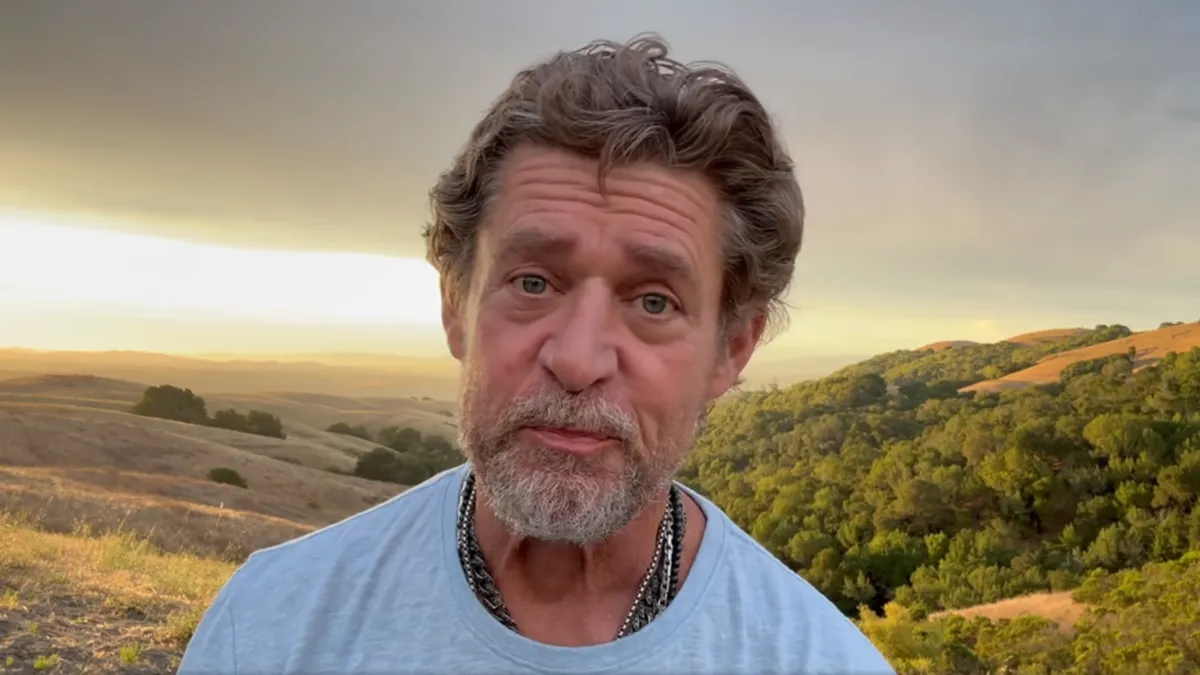
Glen Schofield, the creator of the acclaimed Dead Space, has expressed profound frustration regarding the release of The Callisto Protocol. He described the decision to release the game as one that was imposed upon him, stating, "I was forced to ship the game." This decision came during a period of immense global instability, which Schofield noted left him stunned. He expressed a sense of personal regret, admitting, "I'm mad at myself, there's no doubt."
Schofield's frustration stems from the fact that the development coincided with the height of the COVID-19 pandemic. He highlighted the human cost of the era, noting that a million people died in America and that he personally lost one of his best friends during this time. For Schofield, the decision to prioritize a release schedule over the well-being of a team struggling with a global health crisis was a point of significant contention. He emphasized that during these periods, the priority shifted from game production to the fundamental concerns of humanity and the health of his staff.
How did the pandemic affect the development team?
The development of The Callisto Protocol was heavily disrupted by the ongoing COVID-19 pandemic, which created a volatile environment for the staff at Striking Distance Studios. Schofield revealed that the impact on the workforce was constant and severe, with four to six people in the company getting sick every single month. This regular turnover of healthy staff members made maintaining a consistent development pace nearly impossible.
The disruptions were not limited to individual illnesses but extended to entire departments. Schofield noted that the small team based in Spain faced significant setbacks when they were forced to shut down entirely. In one instance, the studio lost its entire rendering team for a period of time. These sudden losses of specialized personnel meant that the studio had to navigate the complexities of game development while simultaneously managing the health and safety of their employees. Schofield remarked that making a game became secondary to the primary concern of life and humanity during these crises.
Impact on small teams and project timeline
The vulnerability of smaller development teams was a central theme in Schofield's account. When a specialized unit, such as the rendering team in Spain, is sidelined by illness or mandatory shutdowns, the ripple effects are felt across the entire production timeline. These interruptions created gaps in the development cycle that were difficult to bridge, especially when trying to maintain the high technical standards expected of a major title.
The loss of key personnel for weeks at a time meant that the studio was constantly playing catch-up. These periods of instability likely contributed to the technical shortcomings that surfaced upon the game's launch. While the team worked to push the project toward its deadline, the lack of continuity caused by the pandemic made it increasingly difficult to iron out critical issues, such as performance stability, before the game reached consumers. The tension between meeting a publisher's deadline and ensuring a polished product was exacerbated by the unpredictable nature of the pandemic-induced shutdowns.
What technical issues appeared at launch and how were they addressed?
Upon its release, The Callisto Protocol faced significant criticism, primarily due to technical performance issues. Most notably, players and critics reported severe framerate stuttering, which led to a wave of negative reviews. This performance instability was a major factor in the game's middling critical reception, despite receiving a decent score of 79 in some reviews. The stuttering was an issue that Schofield suggested could have been resolved with a few additional months of development work or if the team had not been hampered by the pandemic.
In response to the launch-day issues, the studio engaged in an intensive period of post-launch support. Schofield revealed that while the publisher, Krafton, viewed the game as a failure, the development team was working tirelessly to rectify the situation. Schofield stated, "What they didn't know while all they were doing was complaining, we were doing patches." He detailed a massive undertaking involving 86 patches. These updates were designed to address the stuttering and improve overall stability, as well as to add new chapters to the game's story through DLC. Schofield described the workload as immense, noting that the team was making both small and massive changes every single day to bring the game back to where it needed to be.
What followed the launch for the studio and its founder?
Despite the extensive patching efforts, the commercial and professional aftermath for Striking Distance Studios and Glen Schofield was difficult. Krafton, which had invested $100 million into the project, reportedly viewed The Callisto Protocol as a complete failure. This sentiment coincided with a period of instability for the studio, which saw layoffs in August 2023, followed by another wave of layoffs in February 2025.
For Schofield personally, the conclusion of The Callisto Protocol marked the beginning of the end of his career in game development. Following the studio's struggles, he attempted to move forward with a new project, but it was unable to secure the necessary funding. This failure led to his retirement from the video game industry in 2026. Reflecting on his career and the circumstances of his departure, Schofield commented, "maybe I've directed my last game." The trajectory from the success of Dead Space to the turbulent conclusion of The Callisto Protocol highlights the high stakes and extreme pressures inherent in AAA game development.
Frequently asked questions
Did Krafton set the release date against the wishes of the development team?
Schofield indicated that the decision to ship was forced upon the team. He noted that the decision was made despite the fact that the team was dealing with the significant disruptions caused by the COVID-19 pandemic.
How many patches were released after launch?
The development team released a total of 86 patches after the game's initial release. These updates were intended to fix technical issues like framerate stuttering and to deliver new story content.
Did the game meet sales expectations?
No. Krafton, the publisher, considered the game a failure. This was particularly significant given the $100 million investment made into the title.
What led to Glen Schofield leaving the industry?
Schofield retired from the video game industry in 2026 after his subsequent project failed to secure the funding required to proceed, following a period of layoffs at his studio.
Were performance problems fixed?
Yes, the studio released numerous updates, including 86 patches, specifically to address the framerate stuttering and other technical issues that were prominent at launch.
Key takeaways
Glen Schofield stated that Krafton required the release of The Callisto Protocol during ongoing COVID outbreaks at the studio, a decision he described as being "forced to ship."
The pandemic caused significant disruptions, with four to six employees falling ill monthly and entire teams, such as the rendering team in Spain, being forced to shut down.
To address launch issues like framerate stuttering, the team released 86 patches and added new story chapters via DLC.
Krafton viewed the project as a commercial failure despite an investment of approximately $100 million.
The studio faced multiple rounds of layoffs in August 2023 and February 2025, ultimately leading to Schofield's retirement from the industry in 2026 after his next project failed to find funding.
Conclusion
The account provided by Glen Schofield offers a sobering look at the intersection of global crisis and high-stakes commercial entertainment. The development of The Callisto Protocol was not merely a technical challenge, but a human one, as the team navigated the life-and-death realities of a pandemic while under immense pressure to deliver a $100 million product. While the studio's post-launch efforts were extensive, with 86 patches aimed at salvaging the experience, they were unable to change the publisher's perception or the ultimate fate of the studio and its founder. The story serves as a testament to the volatility of the gaming industry, where even seasoned veterans can find their careers shaped by forces far beyond their control.